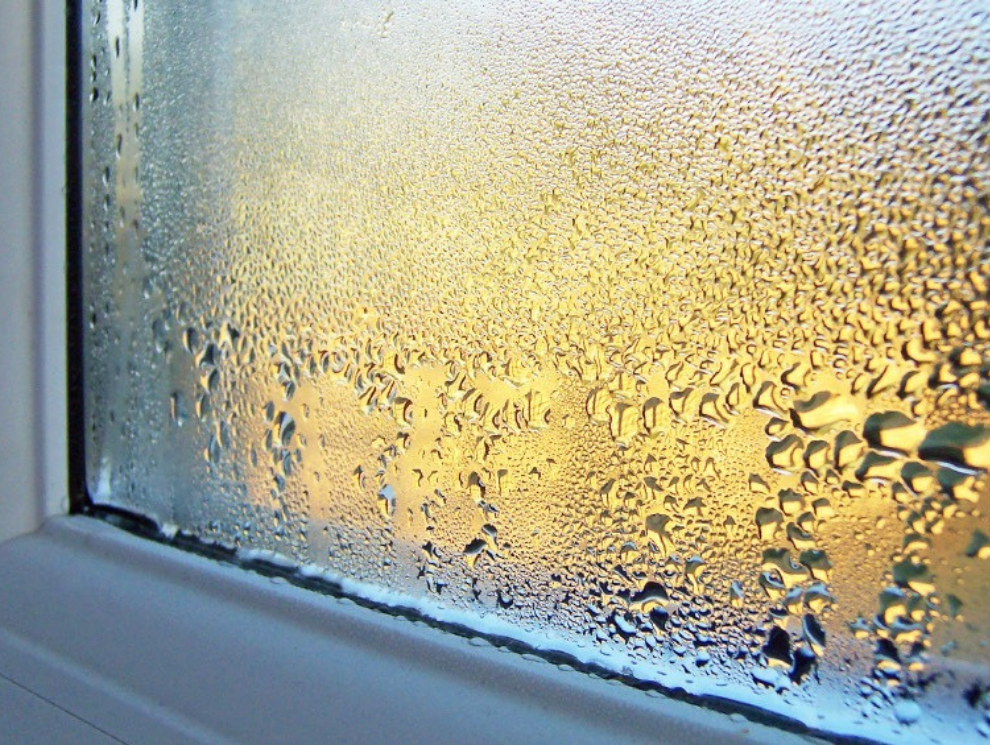


If you've pulled a jacket out of storage only to find it musty or spotted with white mould, you're not imagining it — Malaysia's climate makes wardrobes one of the highest-risk spaces in the home for mould growth. Here's why it happens so consistently here, and what actually stops it.
Why Malaysian closets are built for mould
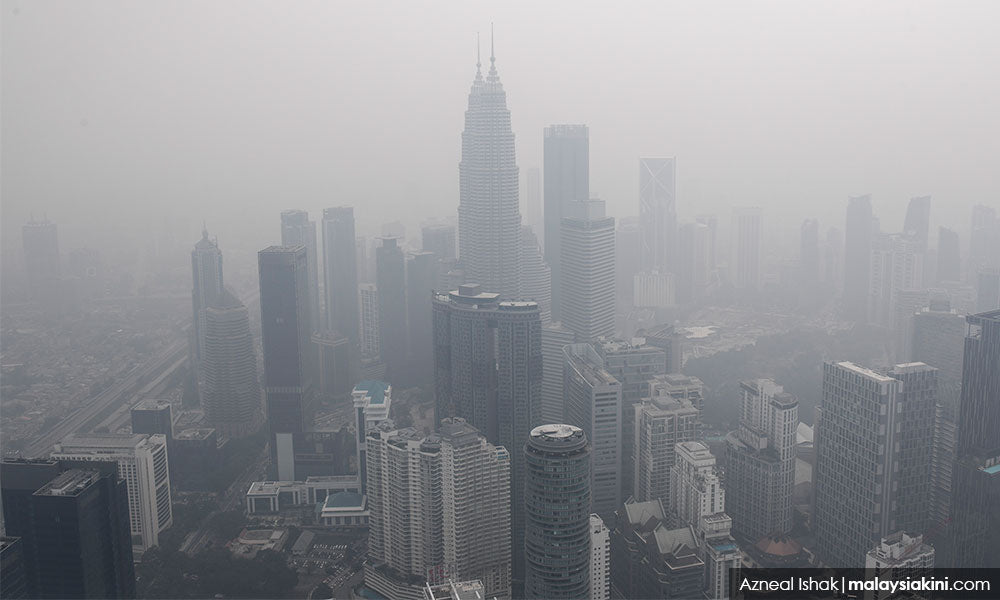
Malaysia sits almost entirely within the equatorial zone, and according to the Malaysian Meteorological Department (METMalaysia), relative humidity across Peninsular Malaysia is commonly high and can exceed 90% during wetter periods, with year-round averages typically sitting between 70% and 90%. Mould needs three conditions to establish itself: moisture, warmth, and still air — and a closed wardrobe delivers all three continuously, regardless of season. It's dark, poorly ventilated, and packed with organic material (cotton, leather, wood) that mould feeds on directly.
Conservation research on mould growth generally puts visible mould developing within roughly two days at 90–100% relative humidity, compared to around ten days at 80% — both of which are within Malaysia's normal humidity range on an ordinary day, before accounting for how much worse a sealed, unventilated wardrobe makes it. The Southwest Monsoon (May–September) hits the west coast and KL hardest, while the Northeast Monsoon (November–March) raises humidity nationwide, but the underlying problem never really goes away between seasons — it just gets worse or slightly less bad.
What actually happens to your clothes
- Mould and mildew show up as white, grey, or black spotting, usually starting in fabric folds, seams, or corners where airflow is weakest.
- Musty odour is often the first warning sign — it typically shows up before visible mould does.
- Fabric degradation follows sustained exposure, weakening and discolouring natural fibres like cotton, silk, and leather over time.
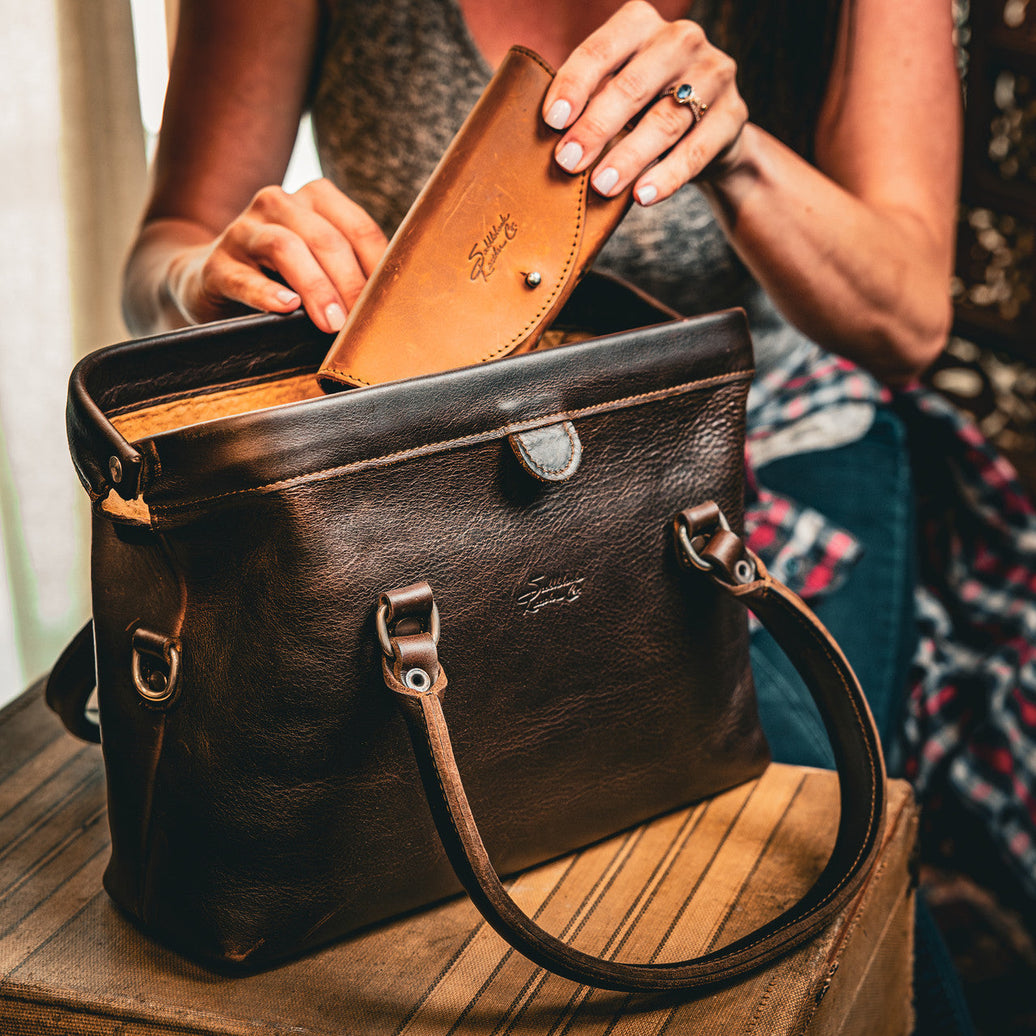
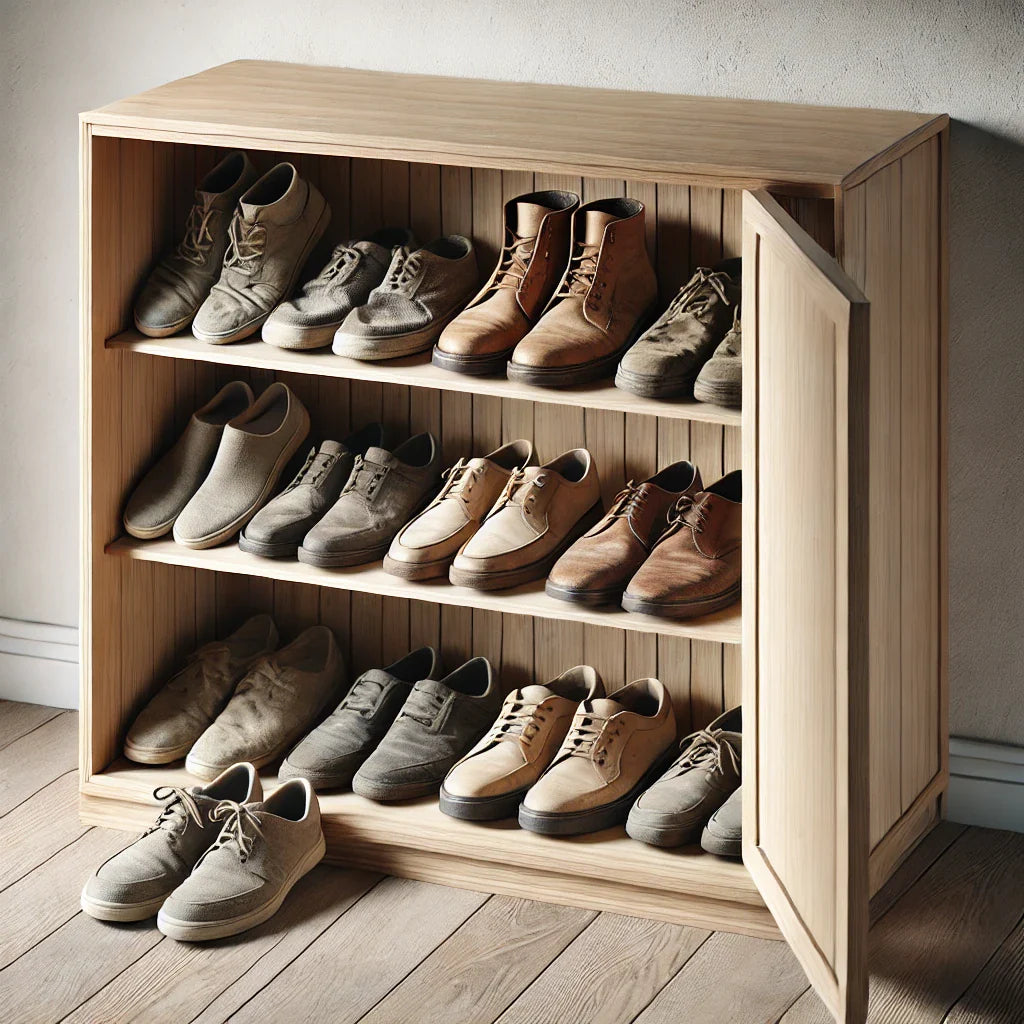
- Leather and suede are the most vulnerable materials in most wardrobes — mould can etch into the surface rather than sitting on top of it, which makes it far harder to fully reverse once it's set in.
Why the usual fixes struggle to keep up
Silica gel packets and charcoal sachets work by passively soaking up whatever moisture happens to be nearby, which is fine for a small enclosed space like a shoebox — but they saturate quickly in Malaysia's humidity, and most households don't replace them often enough to keep pace. Leaving wardrobe doors open to "air things out" tends to backfire here specifically: outdoor and even indoor ambient air in Malaysia is already humid most of the day, so opening the door often just exchanges the air inside for equally damp air from the rest of the room.
What actually works is a device that removes moisture on an ongoing basis, rather than one that quietly absorbs it until it's full and then stops doing anything.
A closet dehumidifier built for exactly this problem
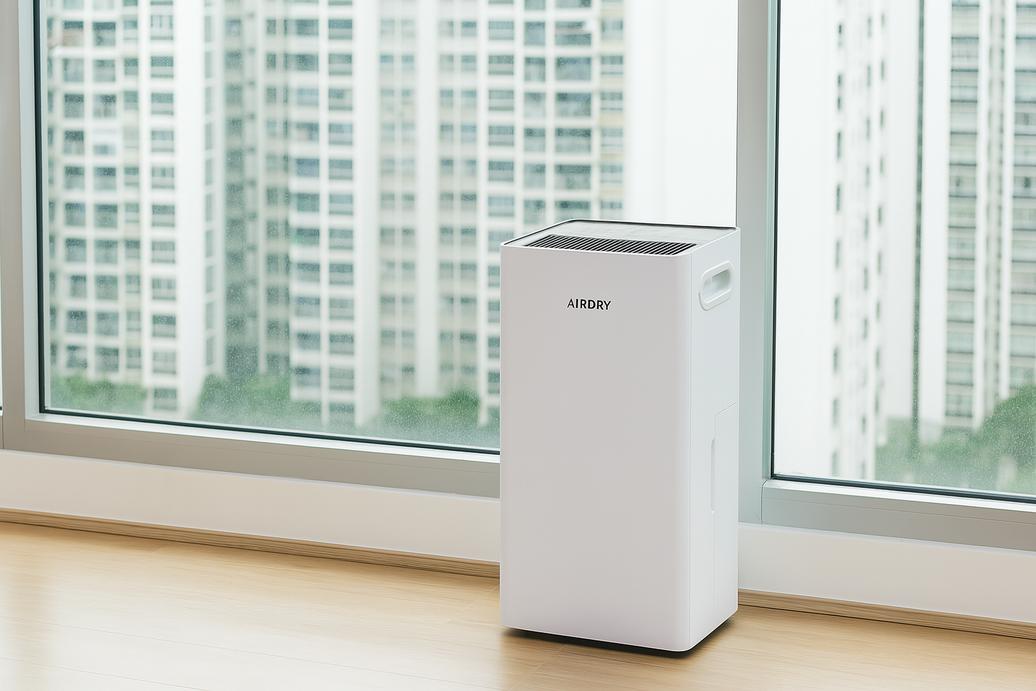
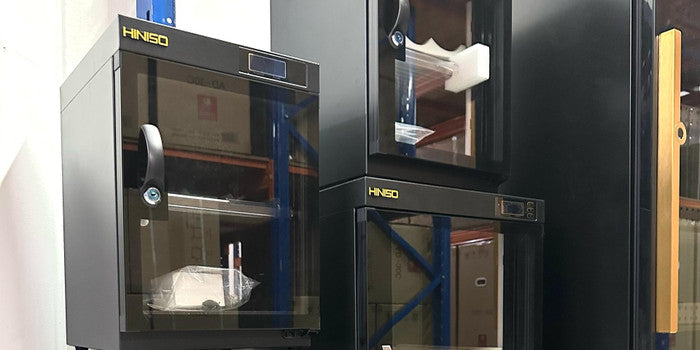
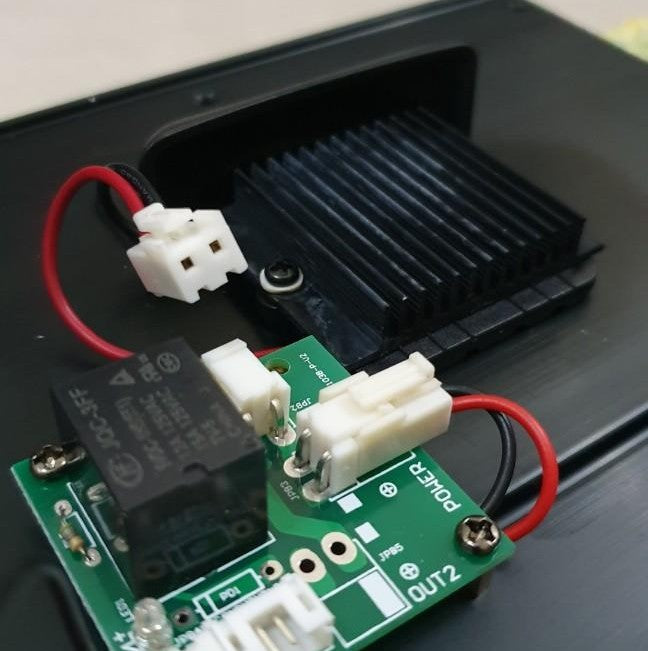
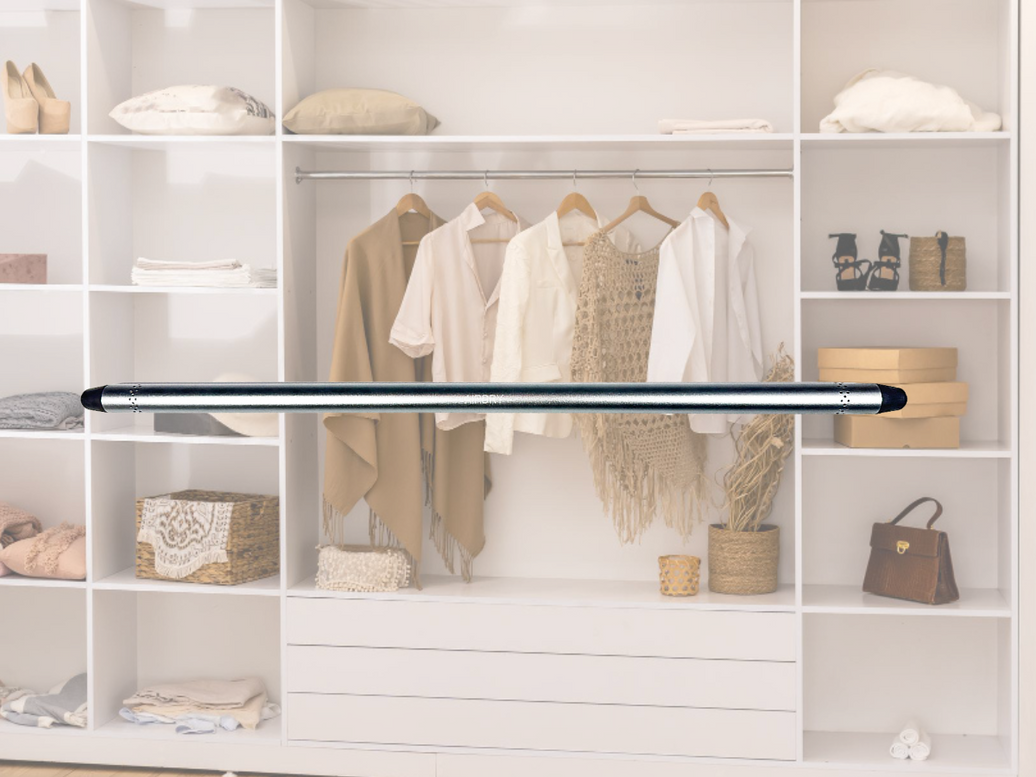
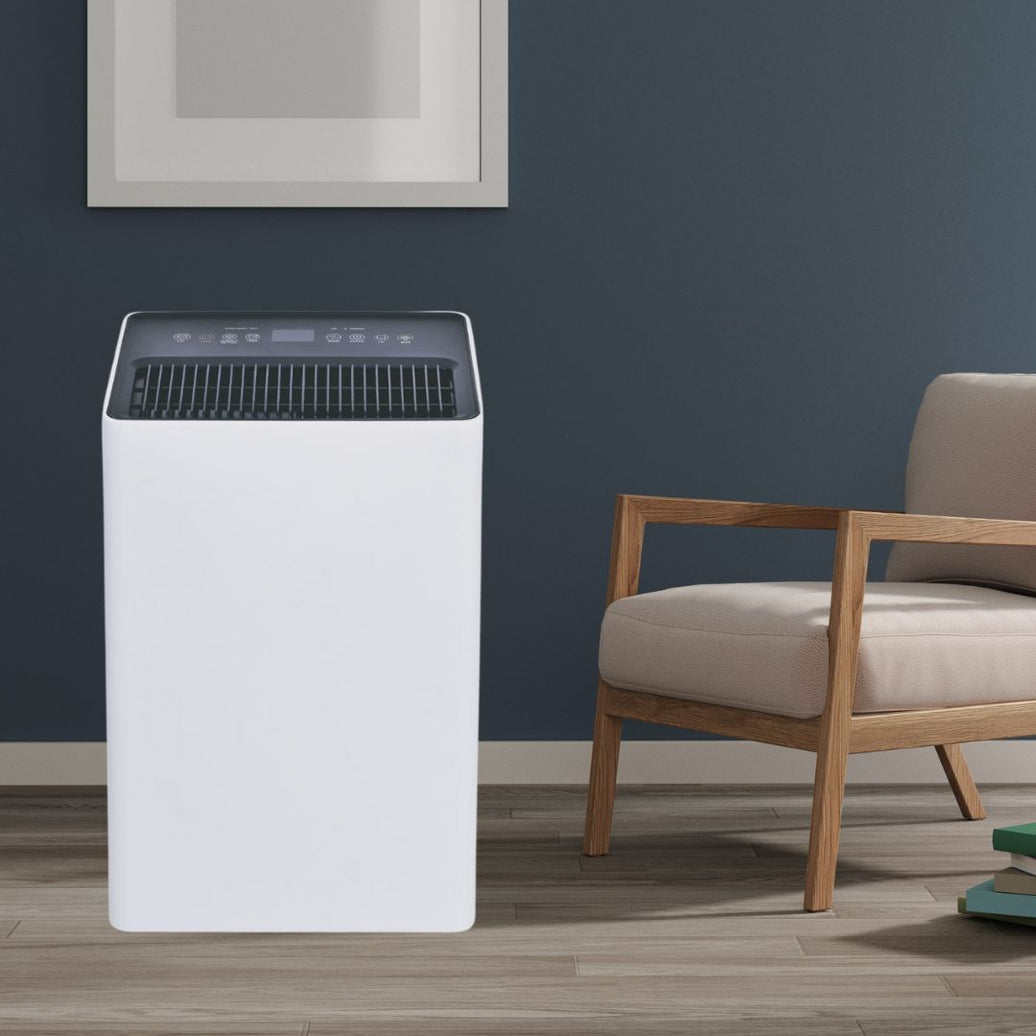
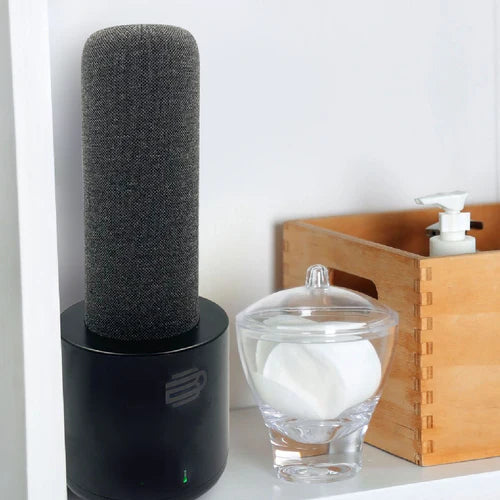
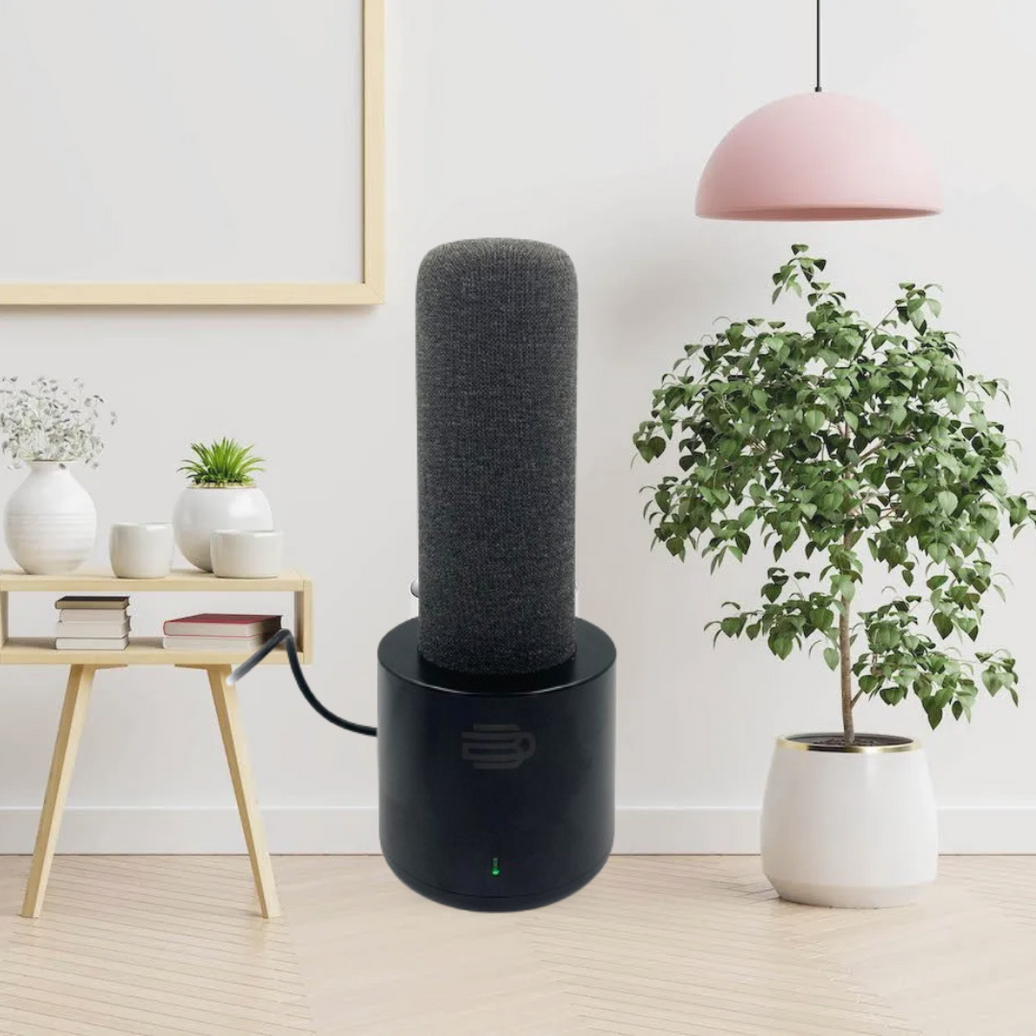
The AIRDRY HygroGuard Closet Dehumidifier is built to be installed directly inside a wardrobe, cabinet, or shoe storage unit and run continuously — an integrated system rather than something you replace or manually recharge:
- Removes up to 50–200ml of moisture per day, actively drawing humidity out of enclosed spaces up to 10m³, well beyond a single wardrobe section.
- Up to 99% sterilisation rate via a 5W UV system and ozone generation (up to 100mg/h) — targeting bacteria and fungi already present, not just preventing new growth.
- Bidirectional airflow (cool air on one side, warm air on the other), circulating evenly through the cabinet rather than leaving stagnant, humid pockets in corners.
- Negative ion function to support ongoing air freshness inside the enclosed space.
- Slim built-in design, installing directly inside the wardrobe or cabinet without eating into usable storage space.
- Quiet operation, suitable for running continuously in a bedroom or dressing room without disruption.
- Chemical-free, offering an alternative to disposable moisture-absorbing sachets that need constant replacement.
- 2-year warranty, available in Black or White to match different cabinet interiors.
How to properly store clothes in Malaysia's climate
The dehumidifier handles the bulk of the problem, but a few habits make a real difference alongside it:
- Don't overpack your wardrobe. Airflow between garments matters as much as airflow into the space — a tightly packed rail traps humid air against every piece of clothing.
- Let clothes dry fully before storing them. Even slightly damp laundry, or clothes brought straight in from outside on a humid day, adds moisture the wardrobe then has to deal with.
- Keep leather and suede items separate from fabric where you can, or at least away from the most enclosed section of the wardrobe — they're usually the first materials to show mould damage.
- Keep the wardrobe reasonably closed while the unit runs, so the moisture and heat it manages stay concentrated in the space it's protecting rather than dispersing into the room.
- Check corners and seams periodically, especially just after monsoon season, since early mould growth tends to start small and out of sight before it's visible on the front of a garment.
The bottom line
Malaysia's humidity doesn't ease up enough, for long enough, for passive prevention alone to reliably keep up. An active system that removes moisture continuously — rather than one that has to be replaced or manually recharged — addresses the actual cause rather than the symptoms, and it's a genuinely low-effort fix once it's installed.
- AIRDRY HygroGuard Closet Dehumidifier
- Handbag Care 101: Cleaning and Preventing Mould — for leather goods specifically, alongside your wardrobe
This article is for general guidance. If you're dealing with an active, widespread mould infestation rather than routine prevention, a professional mould remediation service may be needed alongside any humidity control device.