

Why Everything Gets Mouldy in Malaysia (And How to Stop It)
If you live in Malaysia, you’ve probably seen it:
-
a musty smell in wardrobes,
-
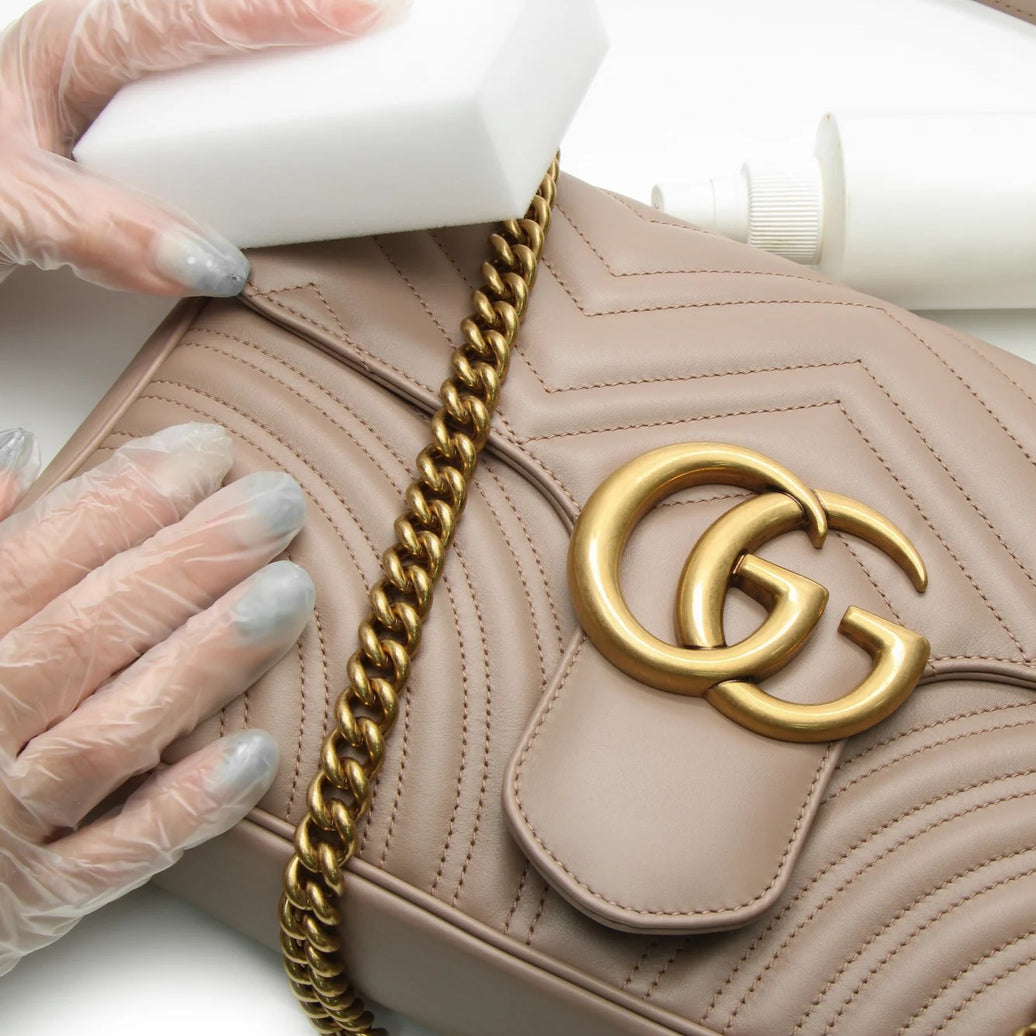
white/green spots on leather,
-
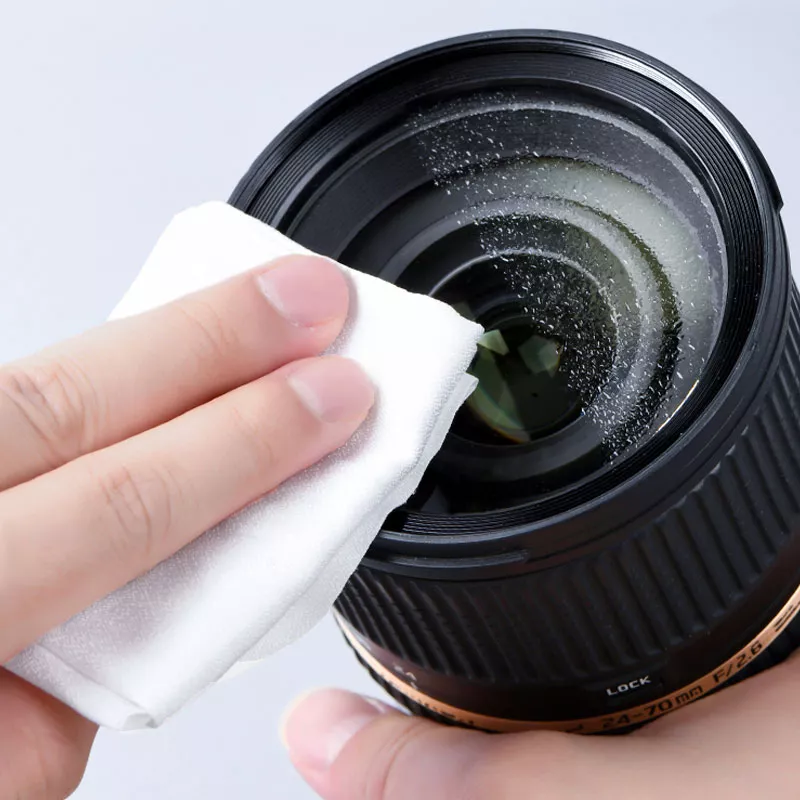
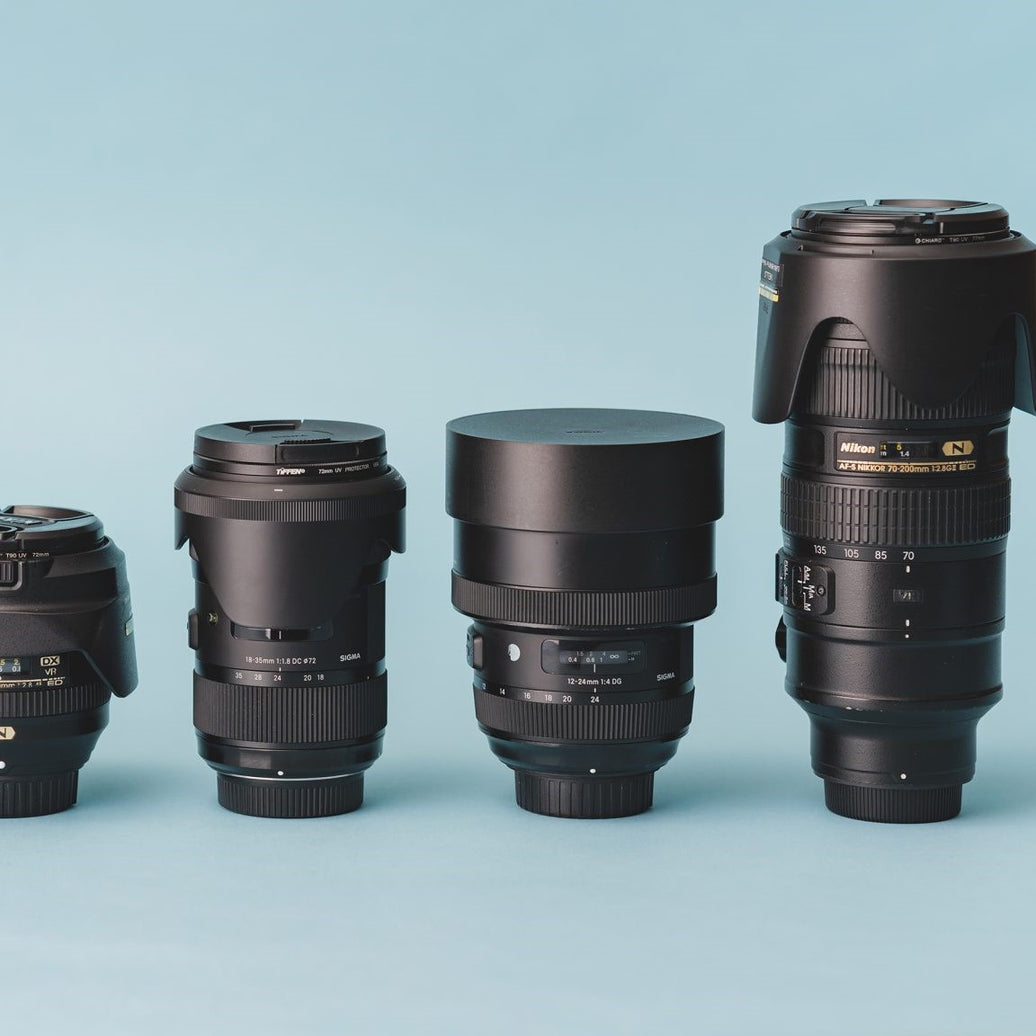
“haze” or web-like fungus inside camera lenses,
-
rust on metal parts,
-
documents turning wavy or yellow over time.
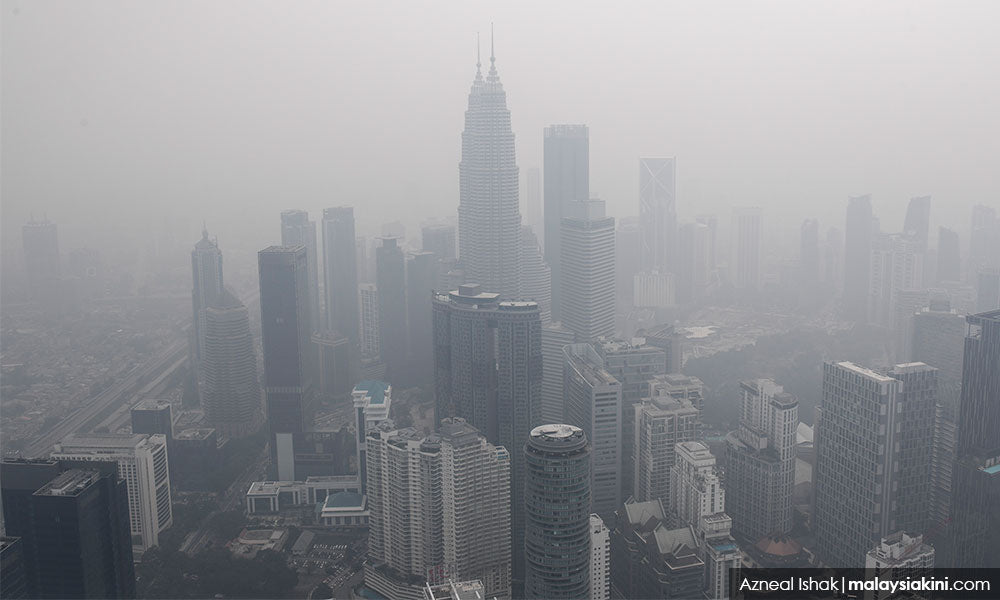
It’s not because your home is “dirty”. It’s because Malaysia’s climate is consistently humid. The Malaysian Meteorological Department notes that mean relative humidity in Peninsular Malaysia can sit around 80%–88% in certain periods—already in the range where mould problems become much more likely.
The good news: once you understand the causes, preventing mould becomes very doable.
1) The real reason mould happens so fast: humidity + time + still air

Mould spores are everywhere (normal). What they need to grow is moisture, and they thrive when humidity stays high long enough.
Research commonly links mould-friendly conditions to high relative humidity, often above ~70–80% for strong growth conditions.
Classic indoor-environment research also notes many fungi struggle to grow when RH is kept lower (often referenced around >60% RH as a threshold where growth becomes possible depending on surface/material).
That’s why mould pops up fastest in:
-
closed wardrobes
-
cabinets against cold walls
-
storerooms with little airflow
-
camera bags kept zipped for weeks
-
leather stored “nicely” in boxes (but no ventilation)
2) What mould and dampness do (it’s not just ugly)

Beyond stains and smell, dampness and mould are associated with indoor air quality and health concerns. WHO’s guidance on indoor dampness/mould summarises evidence linking building moisture and mould with adverse health outcomes.
For your belongings, high humidity can cause:
-
fungus growth on optics (lenses) and inside camera bodies
-
corrosion/rust on contacts, screws, metal buckles
-
leather mildew + weakening of leather finish over time
-
paper damage (warping, “wavy” pages, sticking)
3) Why silica gel and “open cabinet doors” don’t solve it long-term

Silica gel packets
They help in small enclosed spaces for short periods, but they saturate quickly in Malaysia’s ambient humidity. Once saturated, they stop working unless you regenerate/replace them constantly.
“Just air it”
Airflow helps, but if the ambient air is still humid (which it often is), airing alone doesn’t reliably protect high-value items long term.
What you actually need is stable humidity control.
4) The practical target: keep storage RH stable (and out of the mould danger zone)
For most households, the goal is simple:
✅ Keep storage humidity around 40–60% RH for general valuables, and lower for certain electronics/camera gear depending on preference and item type.
DryBox’s own guides commonly recommend ranges like 44-45% RH for cameras/electronics and 40–60% RH for documents/collectibles, because different materials tolerate humidity differently.
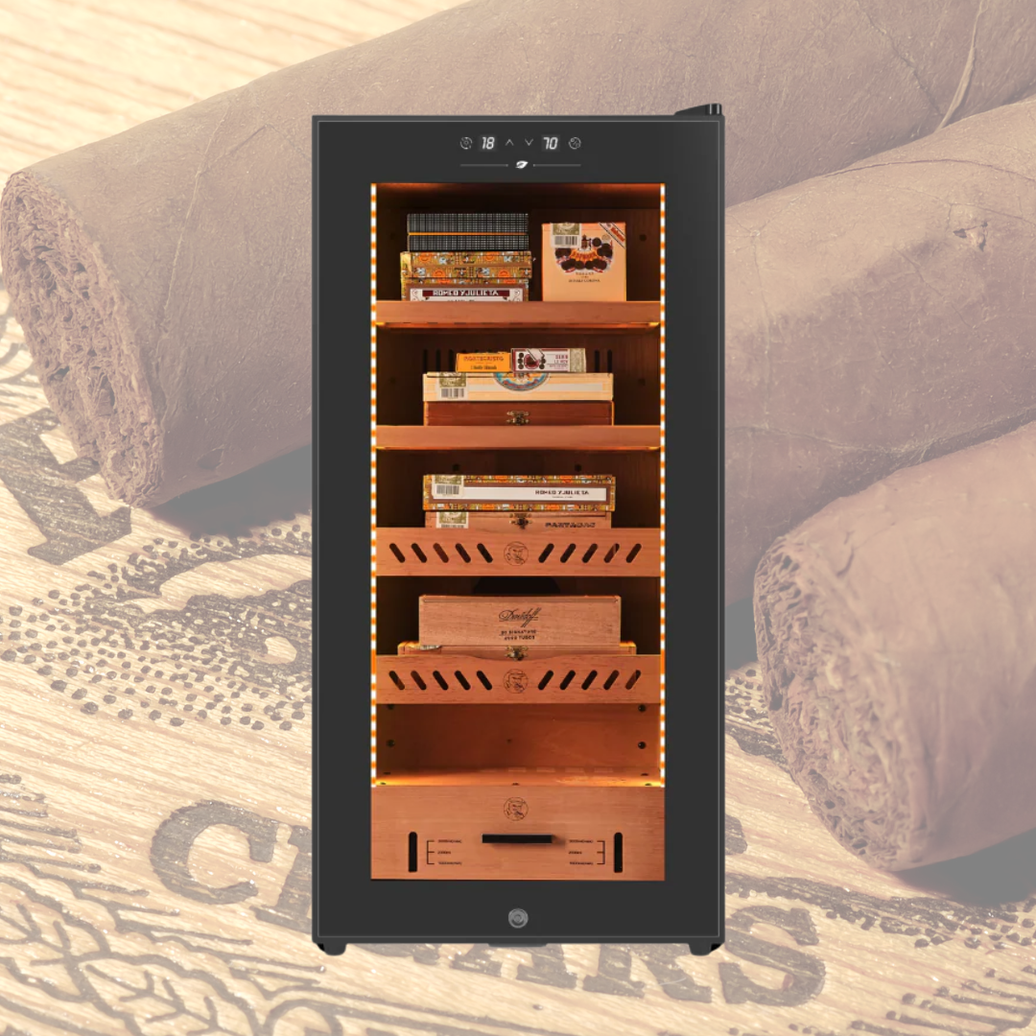
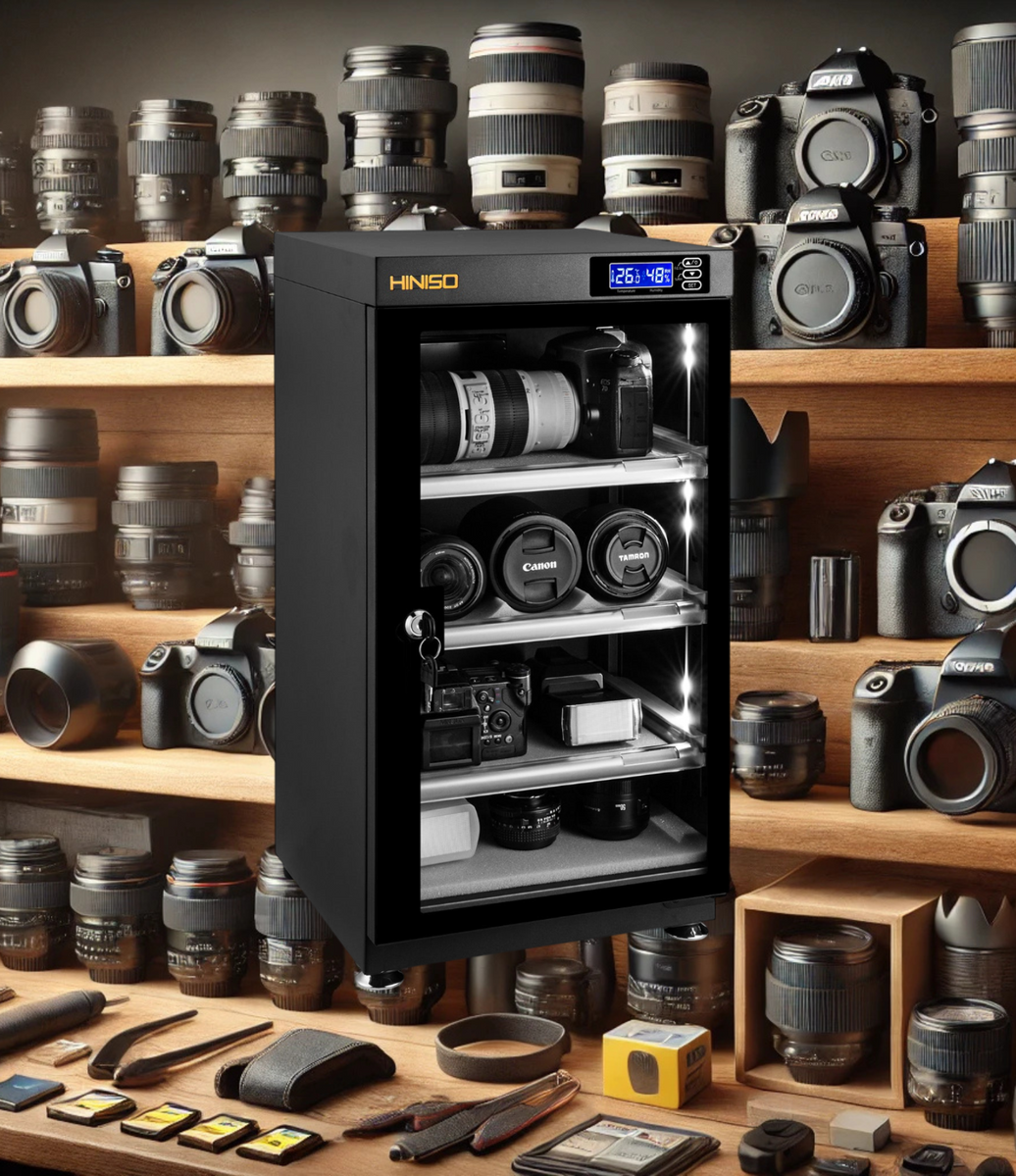
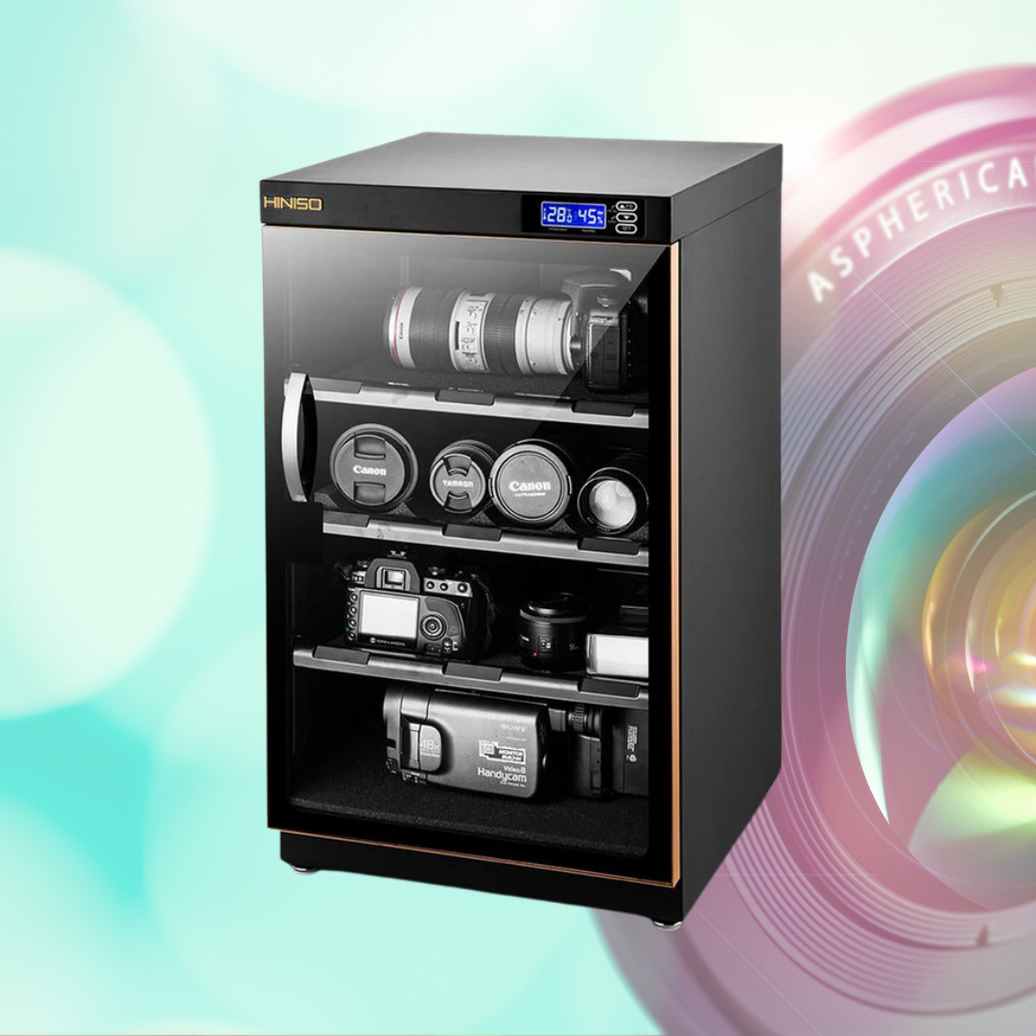
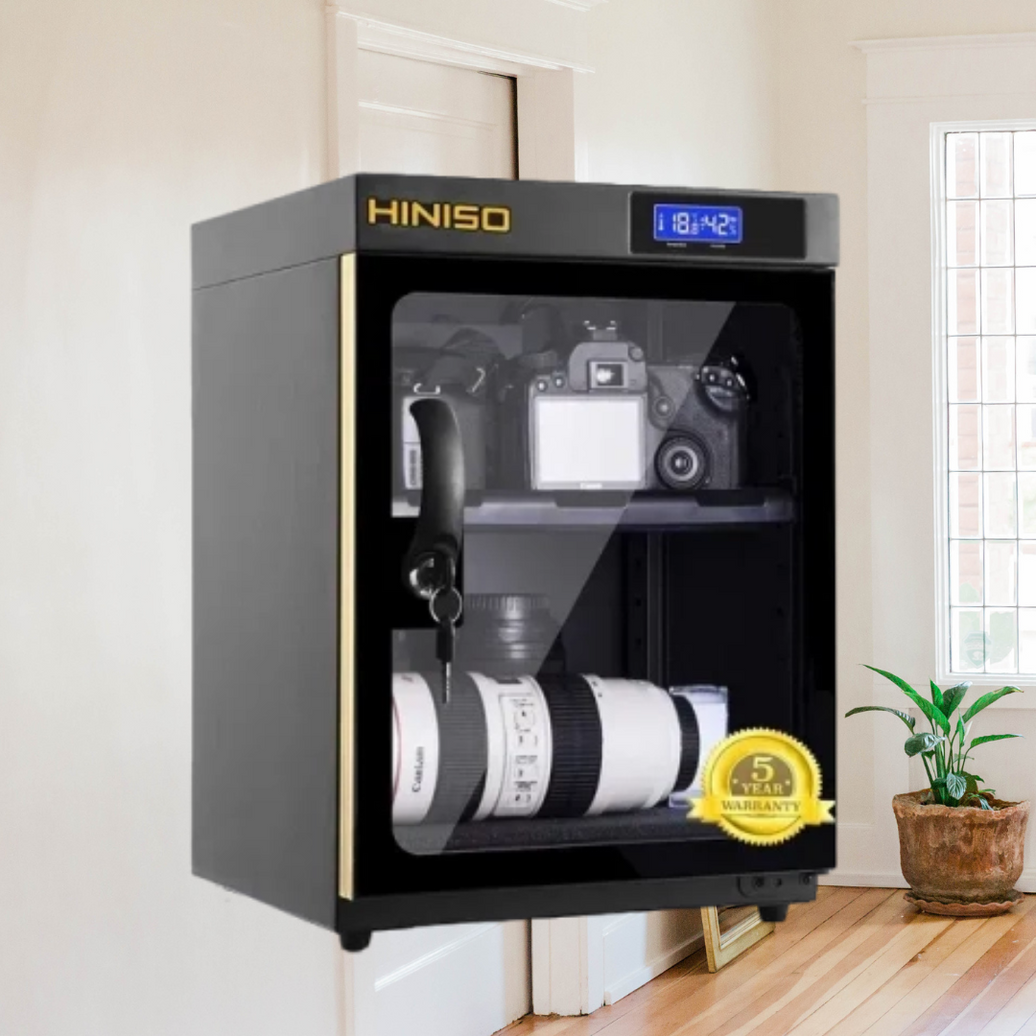
5) How a DryBox dry cabinet stops mould (what it does differently)
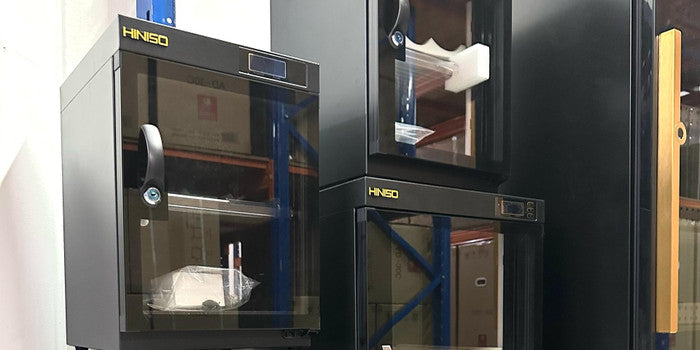
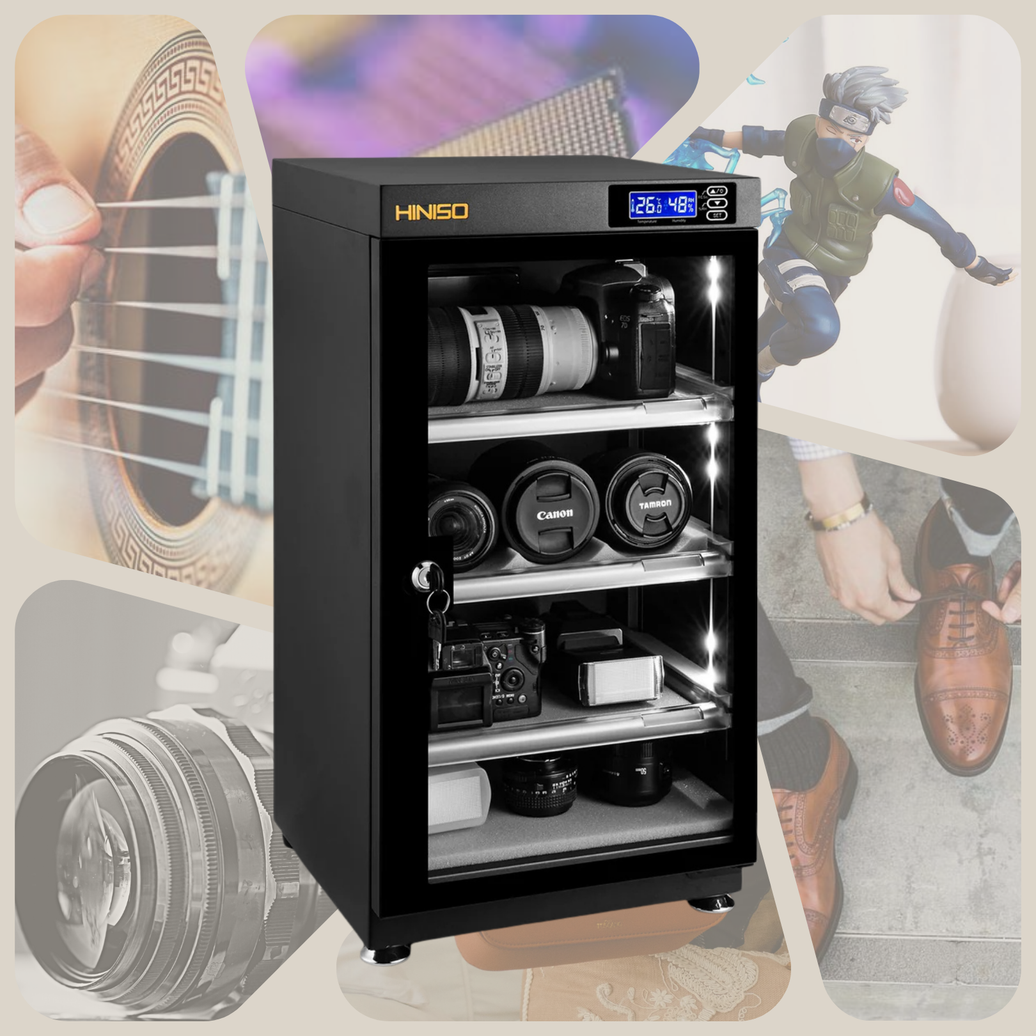
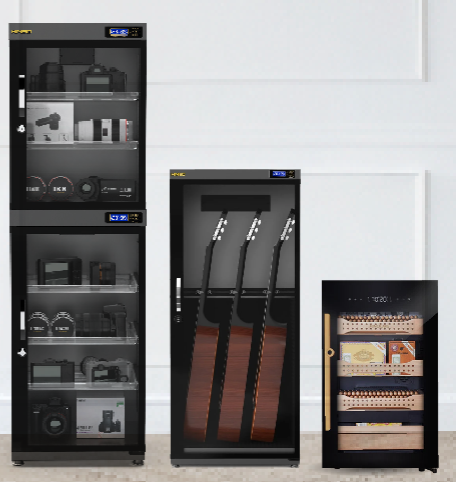
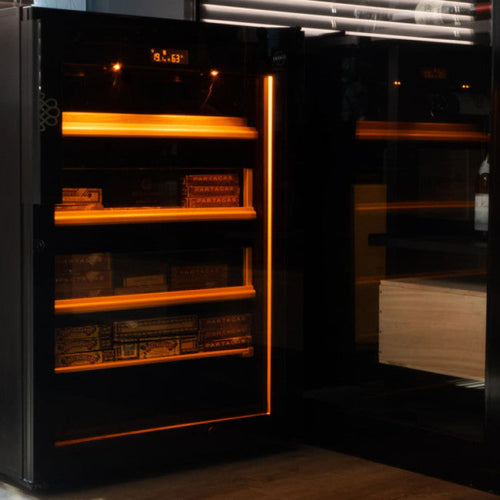
A dry cabinet works because it:
-
reduces RH in a sealed space
-
holds RH steady (not “up and down” daily)
-
protects items 24/7 without you remembering to swap silica gel
If you want a simple starting point, DryBox has a setup guide you can follow:
-
Dry Cabinet Set Up: https://drybox.com.my/blogs/news/dry-cabinet-set-up
And for maintenance habits that keep performance consistent:
-
How to Maintain Your Hiniso Drybox: https://drybox.com.my/blogs/news/how-to-maintain-your-hiniso-drybox-keep-your-valuables-safe-and-dry
-
6 Steps for Maintaining Your Dry Cabinet: https://drybox.com.my/blogs/news/6-steps-for-maintaining-your-dry-cabinet-for-optimal-performance
What to store in a dry cabinet (Malaysia use cases)
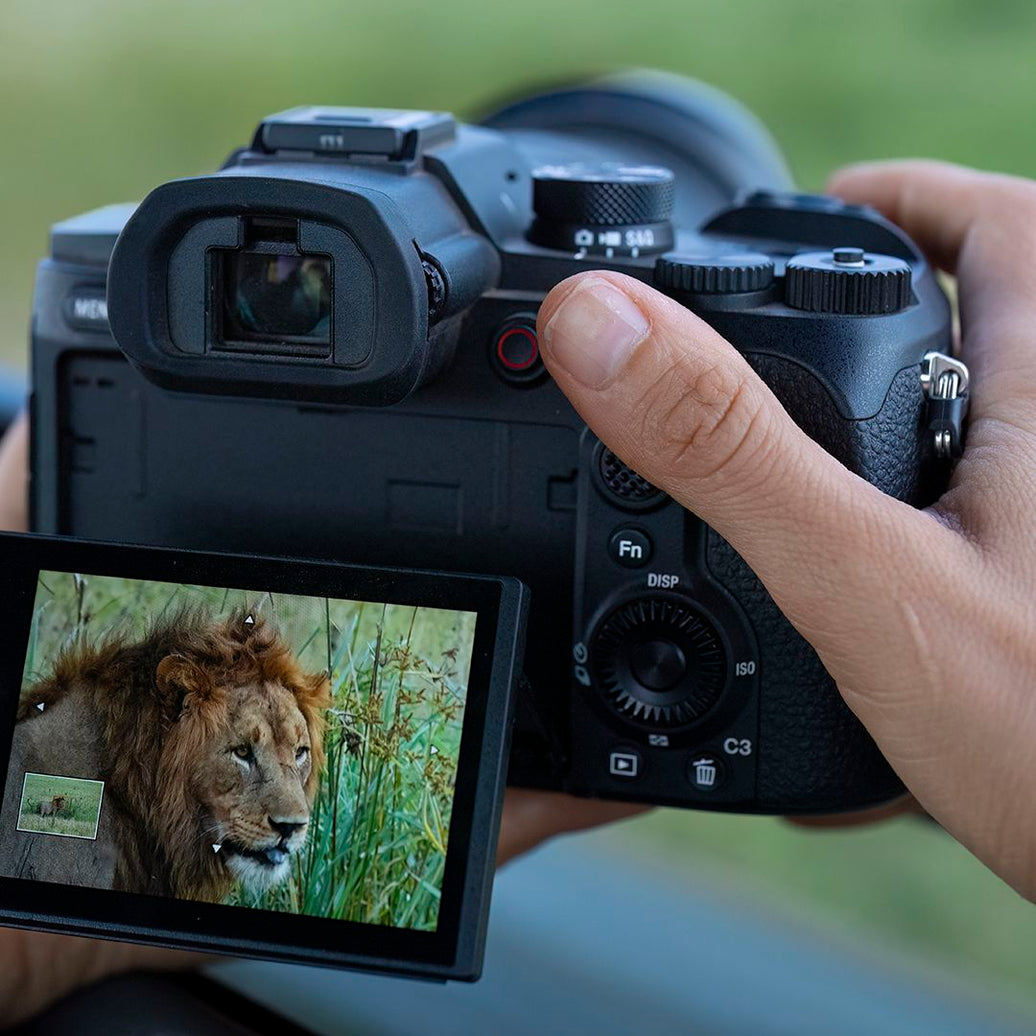
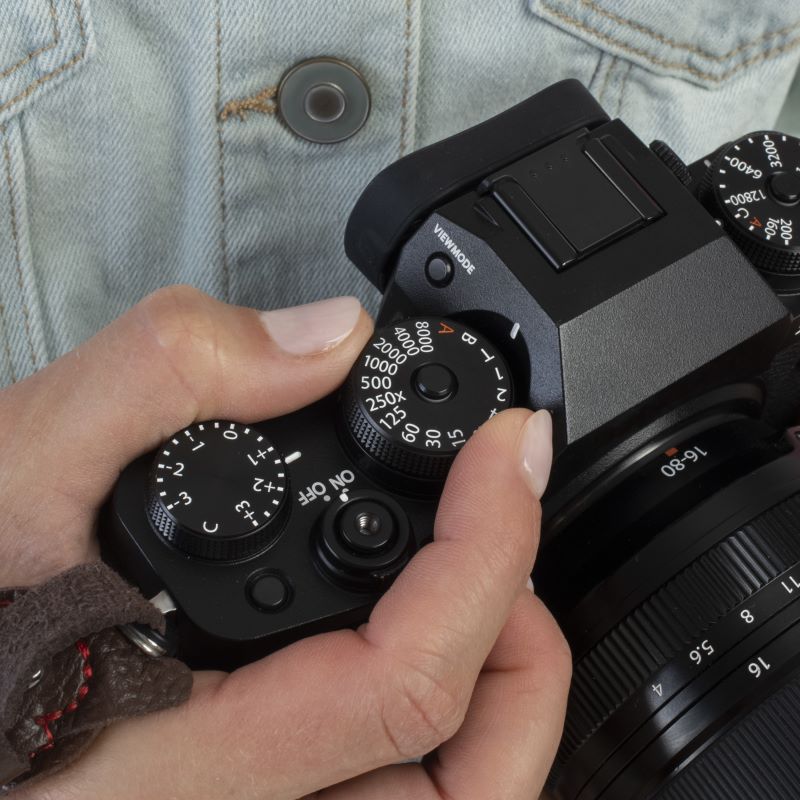
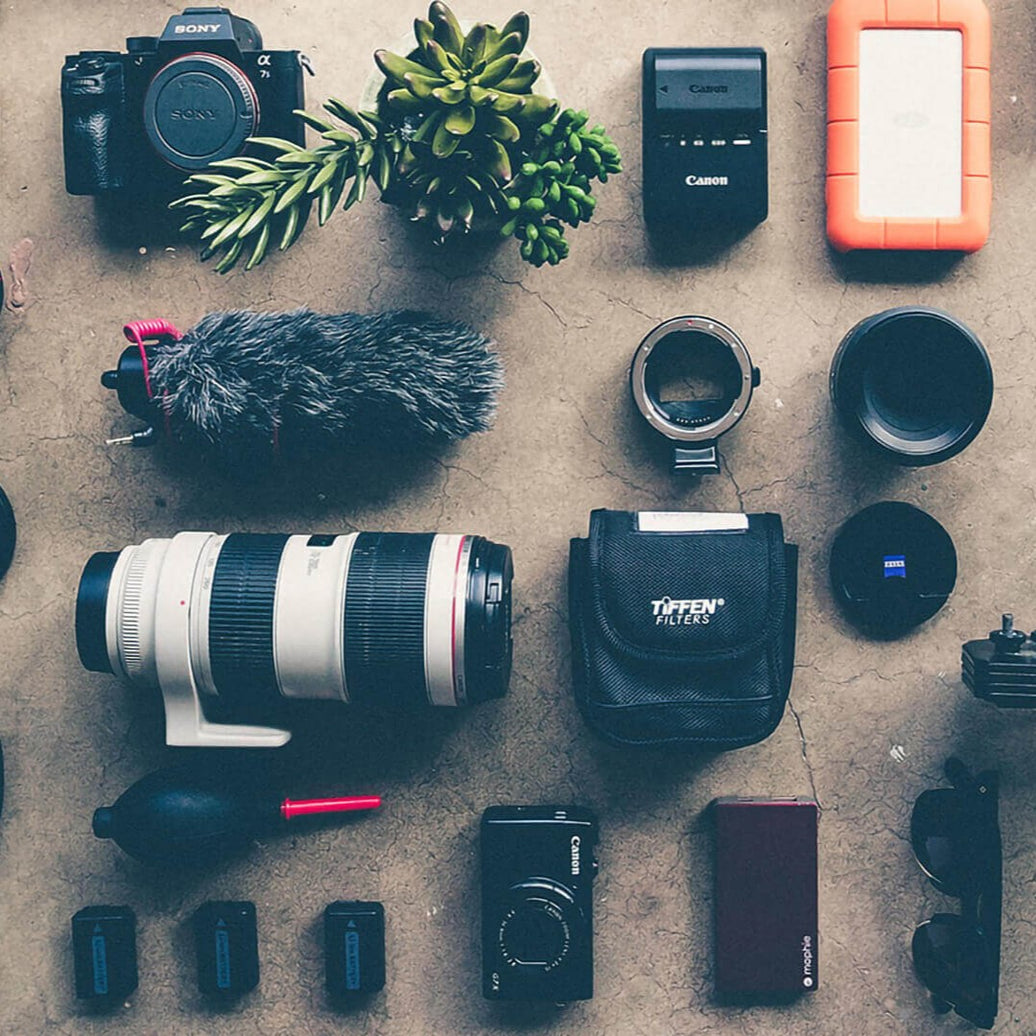
Cameras, lenses & electronics (fungus + corrosion risk)

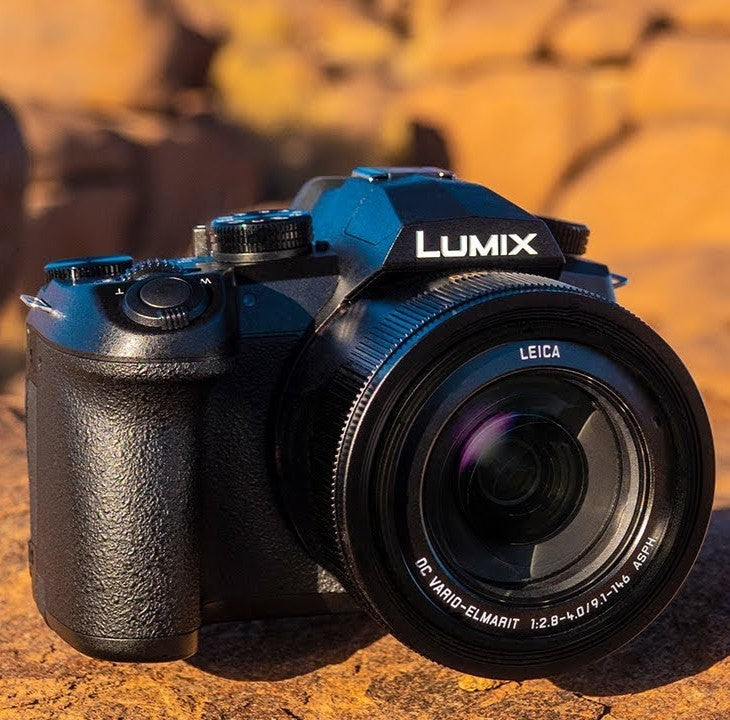
If you’ve ever seen lens fungus, you already know it’s painful (and costly).
Store these:
-
camera bodies, lenses, filters
-
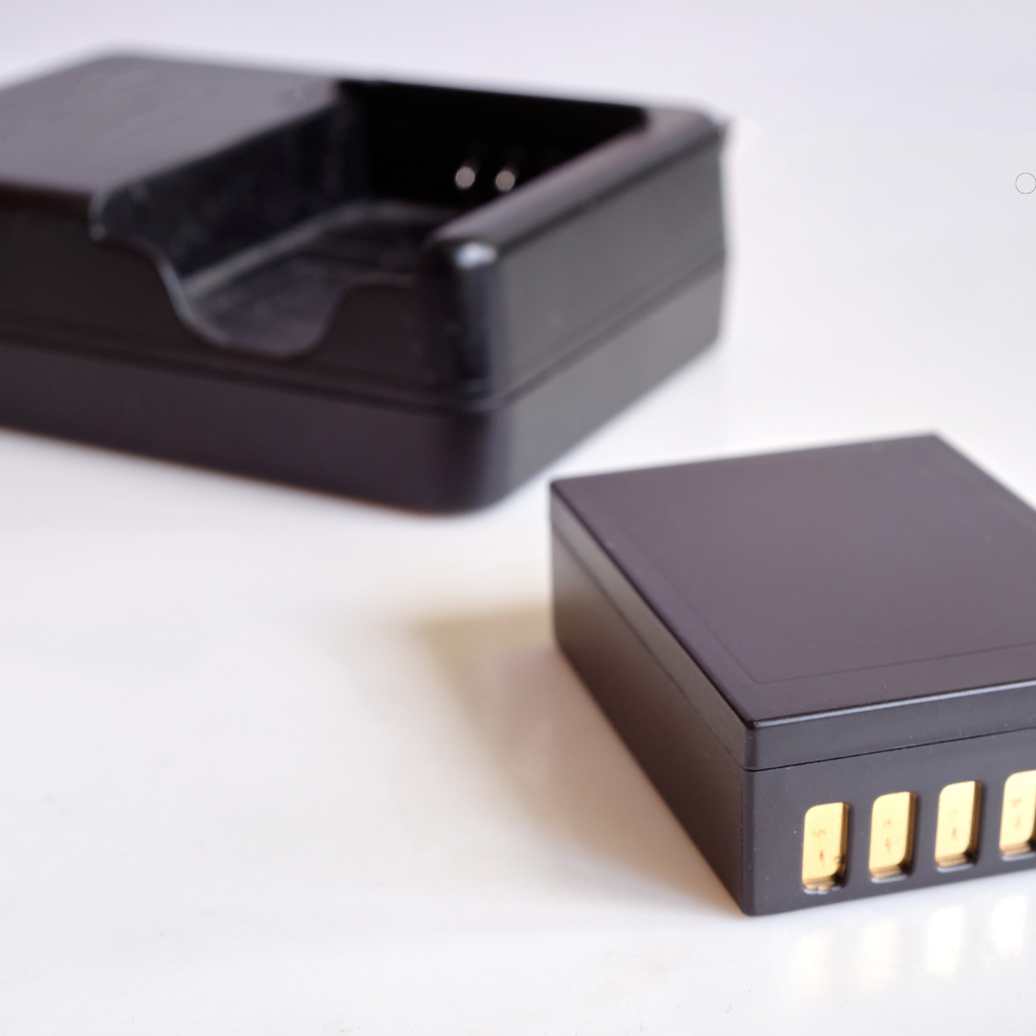
flash units, batteries (dry environment helps reduce corrosion risk)
-
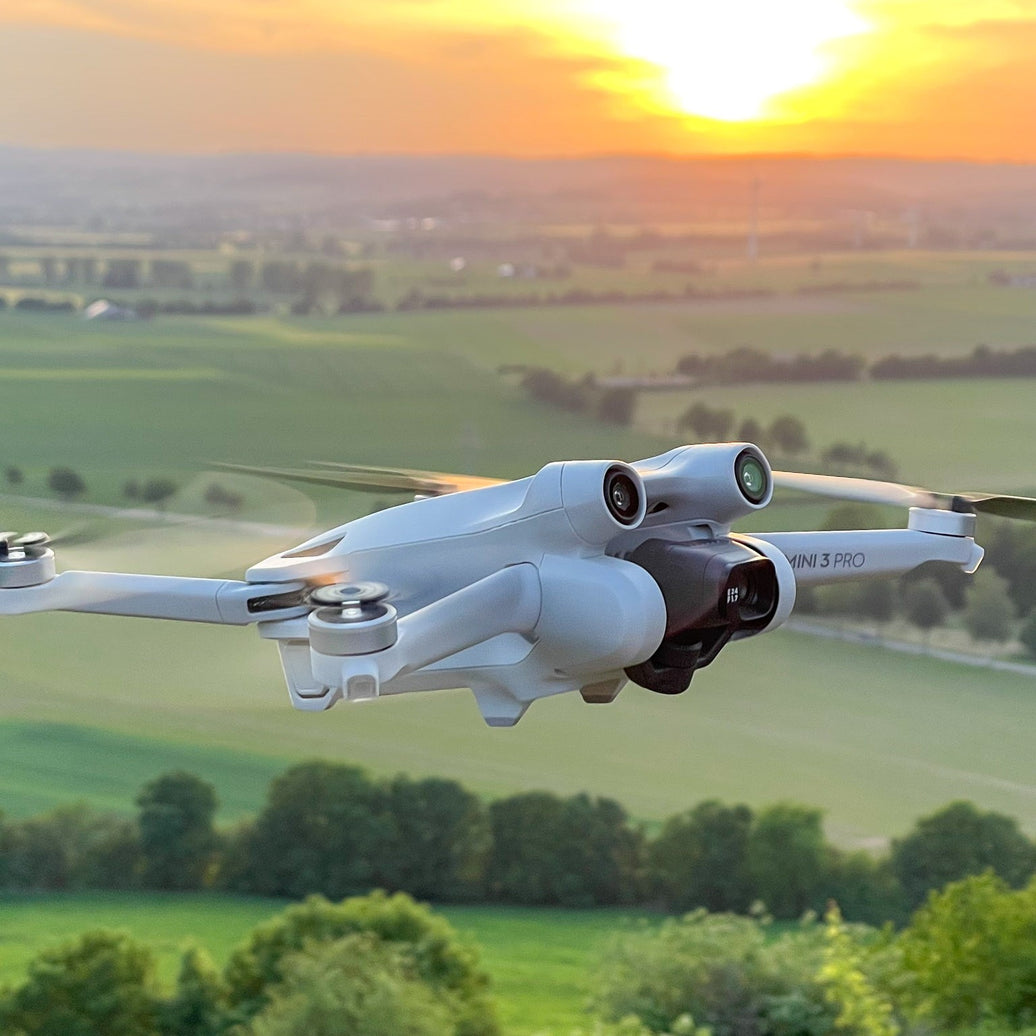
drones, gimbals, microphones
DryBox’s “Who Needs It and Why” article is a good reference for this category and the recommended RH range concept.
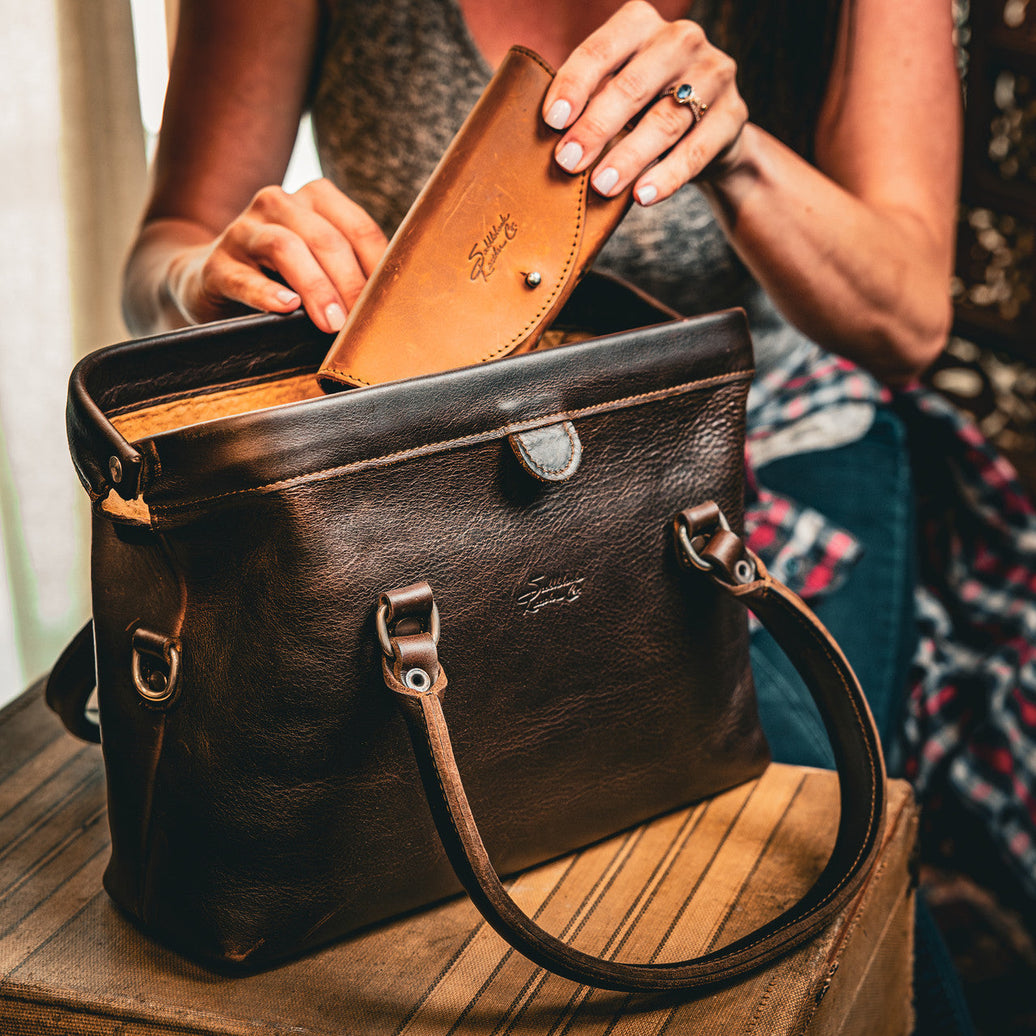
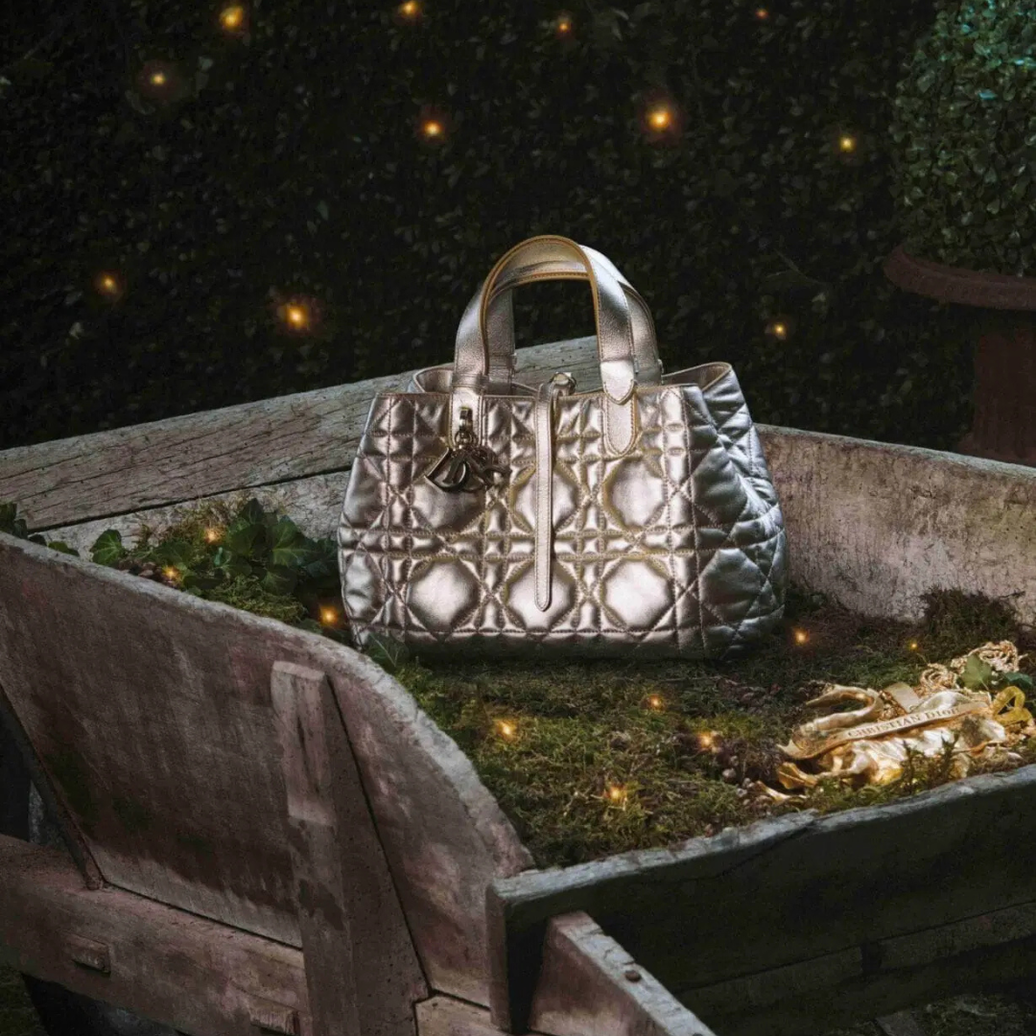
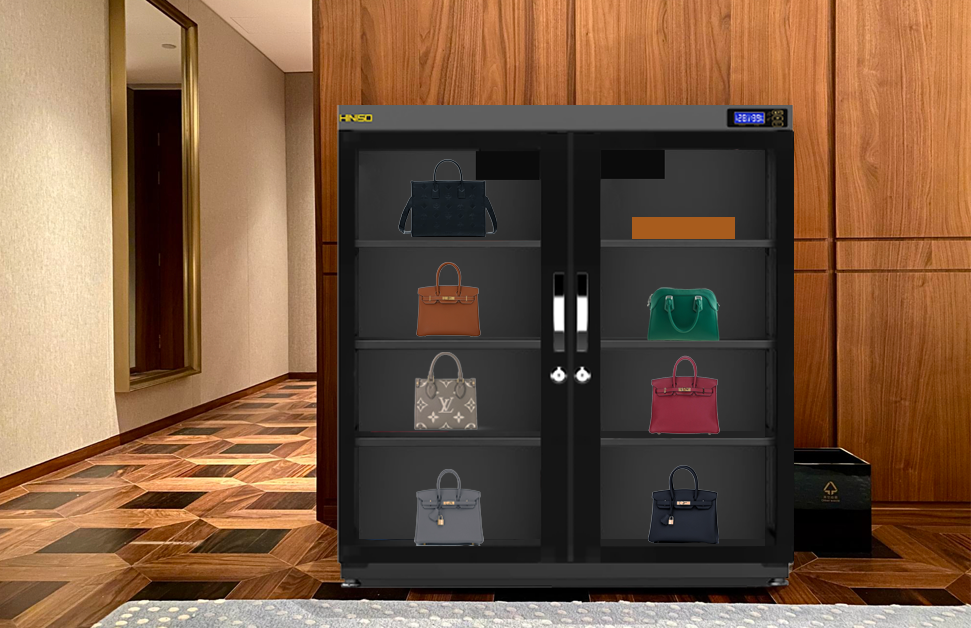
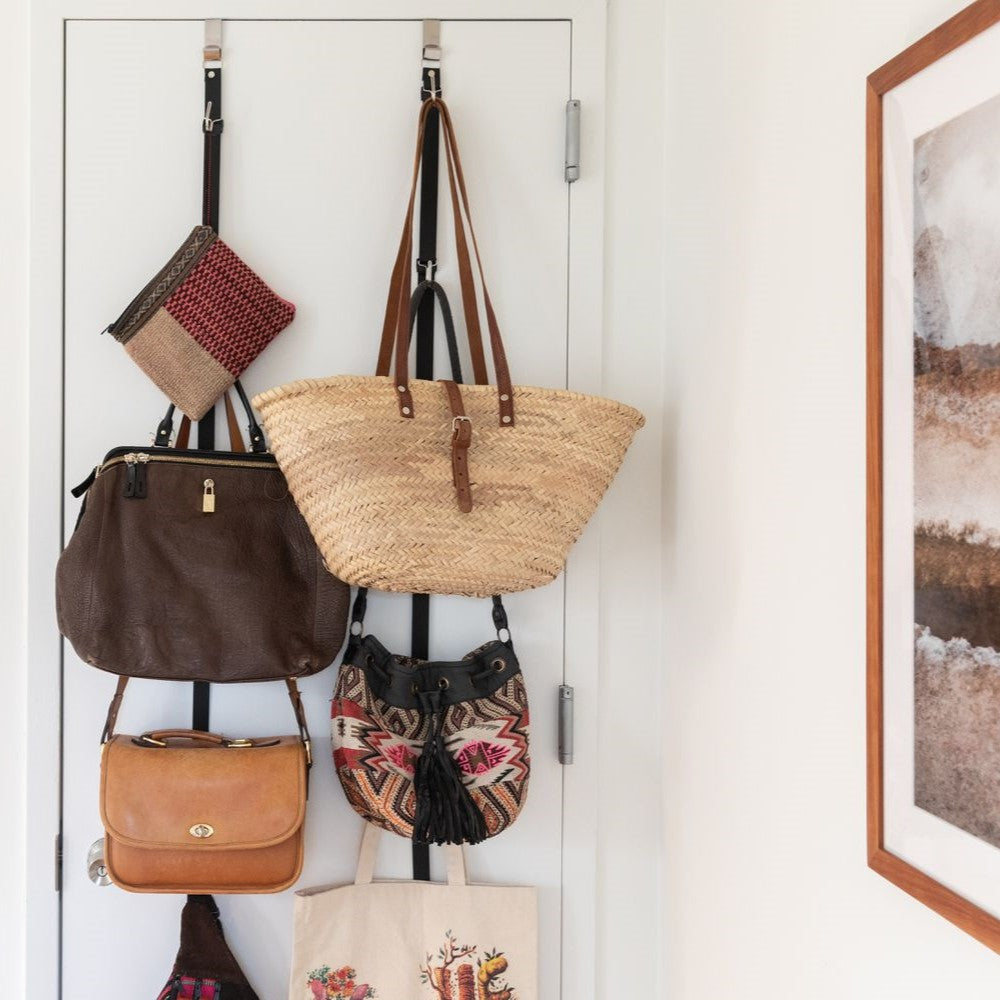
Handbags, leather goods & luxury items (mildew + odour)

Leather is especially sensitive because it can trap moisture and develop mildew quickly.
Store these:
-
leather handbags, wallets, belts
-
designer dust bags (clean & dry first)
-
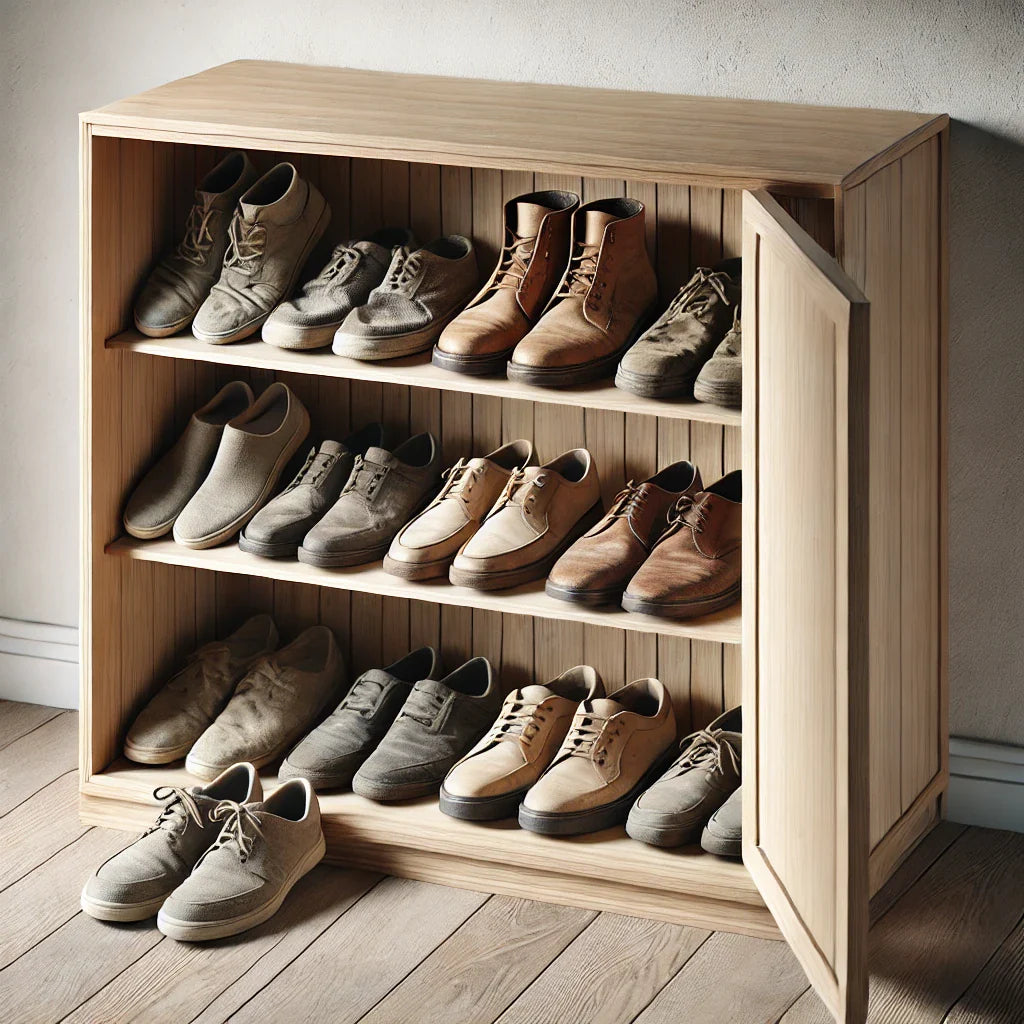
leather shoes/sneakers you don’t wear often
Useful third-party reference (leather storage in Malaysia’s humidity):
https://braunbuffel.com.my/blogs/industry-trend/storage-secrets-the-right-way-to-keep-leather-bags-in-malaysia-s-humid-weather
Watches, jewellery, collectibles (rust + tarnish)

Store these:
-
watches (especially those with metal bracelets)
-
jewellery, silver pieces
-
trading cards, figurines, collectibles
Important documents (warping + yellowing)

Store these:
-
certificates, passports (in protective sleeves)
-
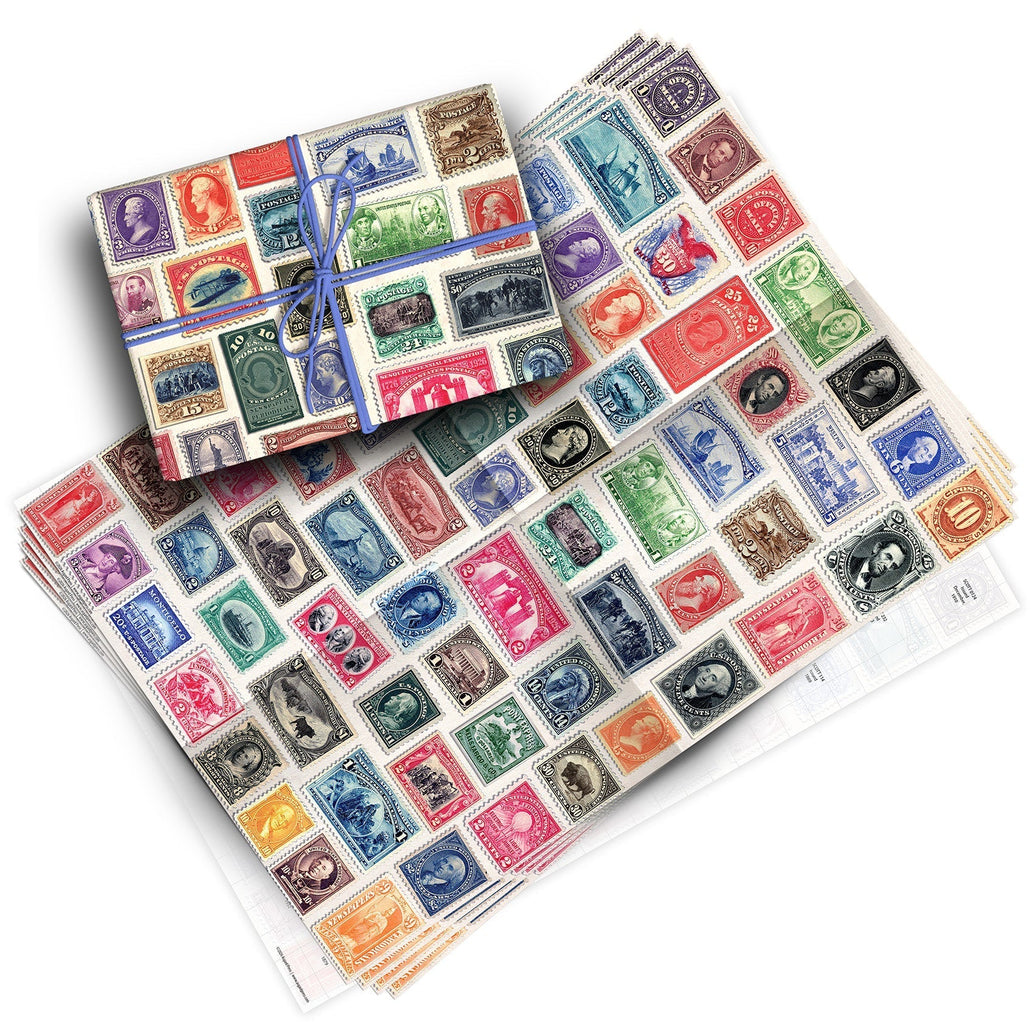
contracts, stamp collections
-
photo albums, printed photos
6) “Set-and-forget” humidity settings (simple starter ranges)
Use these as starting points (then adjust slightly based on your cabinet and what you store):
-
Cameras/electronics: 30–50% RH (commonly used range)
-
Leather/handbags/collectibles/documents: 40–60% RH
Avoid going extremely low unless you have a specific reason—too dry for long periods may not be ideal for certain materials (e.g., some leathers).
7) The “clean + dry” rule before storage (especially for bags and cameras)
A dry cabinet prevents new moisture problems, but don’t store items already damp.
Do this before placing items inside:
-
wipe off sweat/oil/dirt
-
ensure items are dry (especially after rain)
-
don’t store leather in sealed plastic (traps moisture)
Quick checklist: how to stop mould in Malaysia
✅ Accept that ambient RH is high in Malaysia (often ~80%+ in many conditions)
✅ Keep valuables in a controlled space (dry cabinet) at a stable RH
✅ Clean and dry items before storage
✅ Maintain your cabinet (seal, sensors, periodic cleaning)
References
-
Malaysia climate humidity overview (MetMalaysia): https://www.met.gov.my/en/pendidikan/iklim-malaysia/
-
WHO guidelines on dampness & mould: https://www.who.int/publications/i/item/9789289041683
-
Mould growth & high RH conditions (building science / research):
-
DryBox guides:
-
Dry cabinet set up: https://drybox.com.my/blogs/news/dry-cabinet-set-up
-
Who needs it & why: https://drybox.com.my/blogs/news/dry-box-who-needs-it-and-why
-
Hiniso maintenance: https://drybox.com.my/blogs/news/how-to-maintain-your-hiniso-drybox-keep-your-valuables-safe-and-dry
-