

Stamp Collection Storage: How to Protect and Preserve Your Stamps
A stamp collection may carry historical, sentimental and financial value. However, stamps are made from delicate paper, ink and adhesive gum that can easily be damaged by humidity, heat, sunlight, dust and improper handling.
Proper stamp collection storage helps preserve the colour, condition and value of your stamps. This includes maintaining suitable humidity, using archival storage materials and keeping albums in a clean, protected environment.
Why Storage Conditions Matter

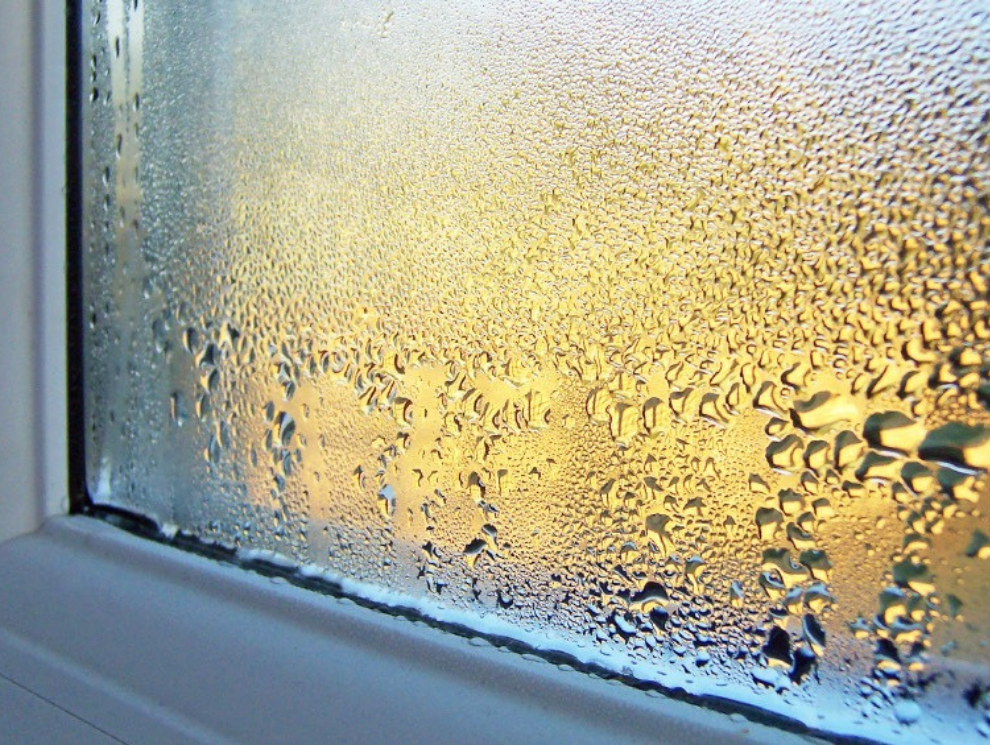
Moisture is one of the biggest long-term threats to stamps. High humidity can lead to:
- Mold and mildew
- Brown foxing spots
- Curling and warping
- Yellowing or sticky adhesive gum
- Weakening of the paper
These problems can develop gradually and may cause permanent damage to both the stamps and album pages.
Maintain the Right Humidity

The recommended conditions for storing stamps are:
- Relative humidity: 40%–50% RH
- Temperature: 18°C–24°C
Keeping humidity within this range helps reduce the risk of mold, foxing, curling and gum deterioration. Stable humidity is also important, as frequent changes between humid and dry conditions can stress the paper.
A digital hygrometer can be used to monitor the storage area. This is especially useful in humid countries such as Malaysia and Singapore, where moisture levels may remain high throughout the year.
Use Acid-Free Storage Materials
Stamps should always be kept in materials designed for long-term preservation.
Suitable options include:
- Acid-free stamp albums
- Archival-quality stockbooks
- Acid-free stock cards
- Polyester or Mylar mounts
- Archival-quality plastic mounts
Avoid PVC sleeves, regular office folders, newspapers and cheap cardboard. These materials may release acids or chemicals over time, causing yellowing, stains or paper deterioration.
Handle Stamps Carefully

Avoid touching collectible stamps with bare fingers. Natural skin oils and moisture can leave fingerprints, affect the paper and damage the adhesive gum.
Use proper stamp tongs, also known as philatelic tweezers, whenever you need to move a stamp. This helps prevent bent corners, creases and torn perforations.
Whenever possible, view stamps while they remain inside their albums or protective mounts instead of removing them frequently.
Protect Stamps From Light

Direct sunlight and strong lighting can permanently fade stamp colours and printed details.
Store stamp albums:
- Away from windows
- Out of direct sunlight
- Away from strong fluorescent lighting
- In a cool, low-light location
Albums should remain closed when they are not being viewed. Light damage builds up over time and cannot be reversed.
Store Albums Upright
Stamp albums should generally be stored upright like books.
Avoid stacking heavy albums flat on top of one another, as long-term pressure may damage the bindings, pages and protective mounts.
Leave some space between albums so they are not tightly compressed. Keep them away from damp exterior walls and avoid placing them directly on the floor.
The storage area should also be clean and free from food, cigarette smoke, chemicals and insects.
Can You Store Stamps in a Dry Cabinet?

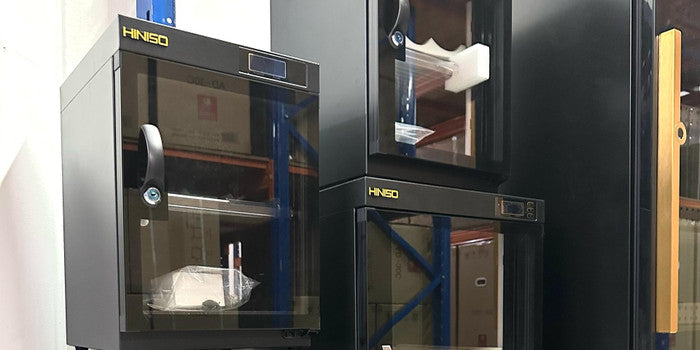
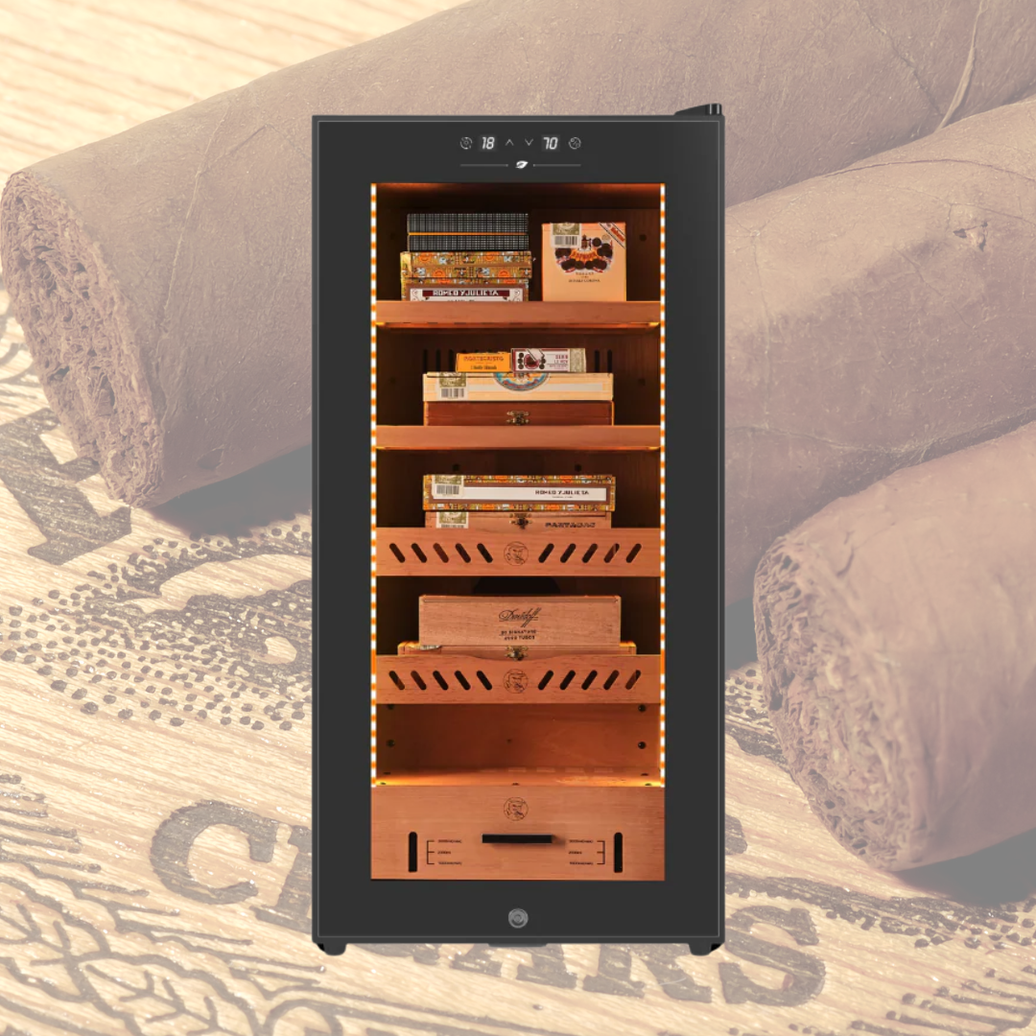
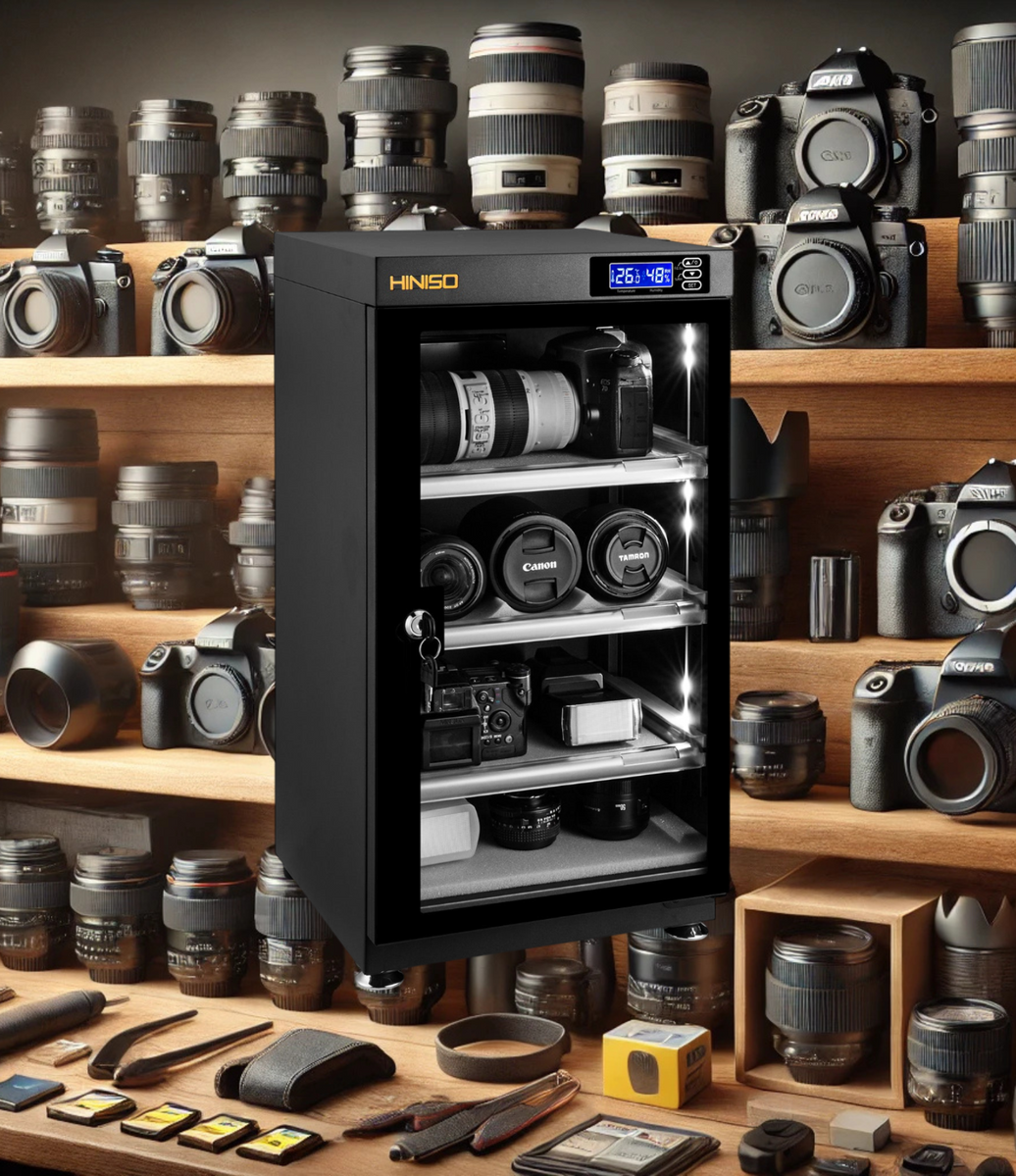
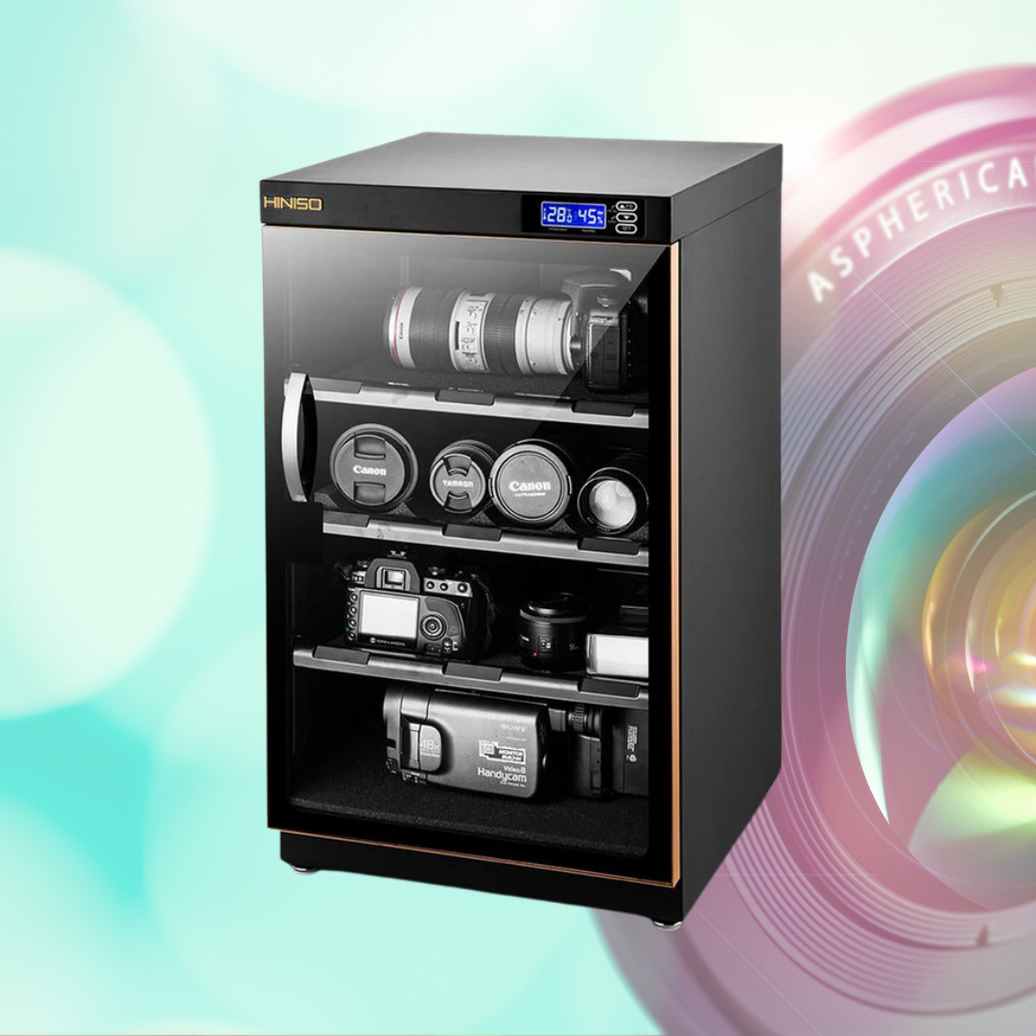
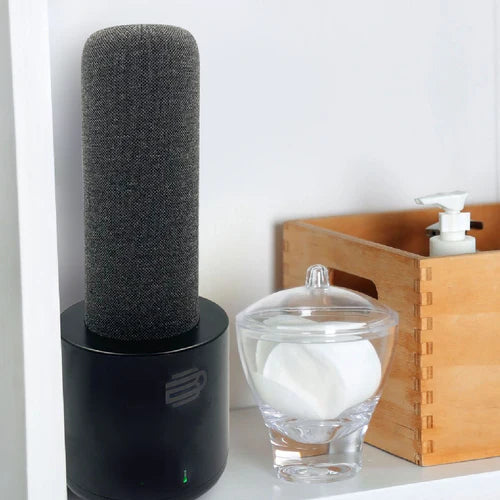
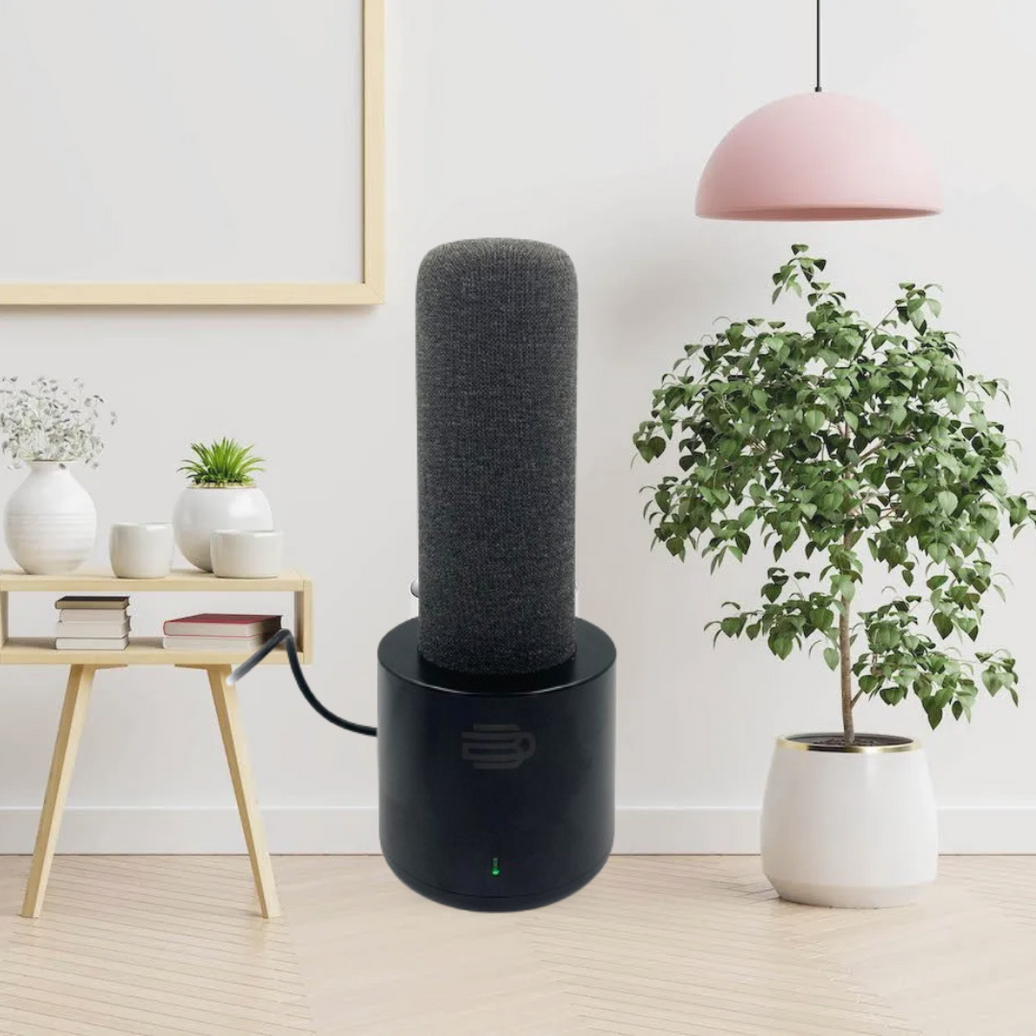
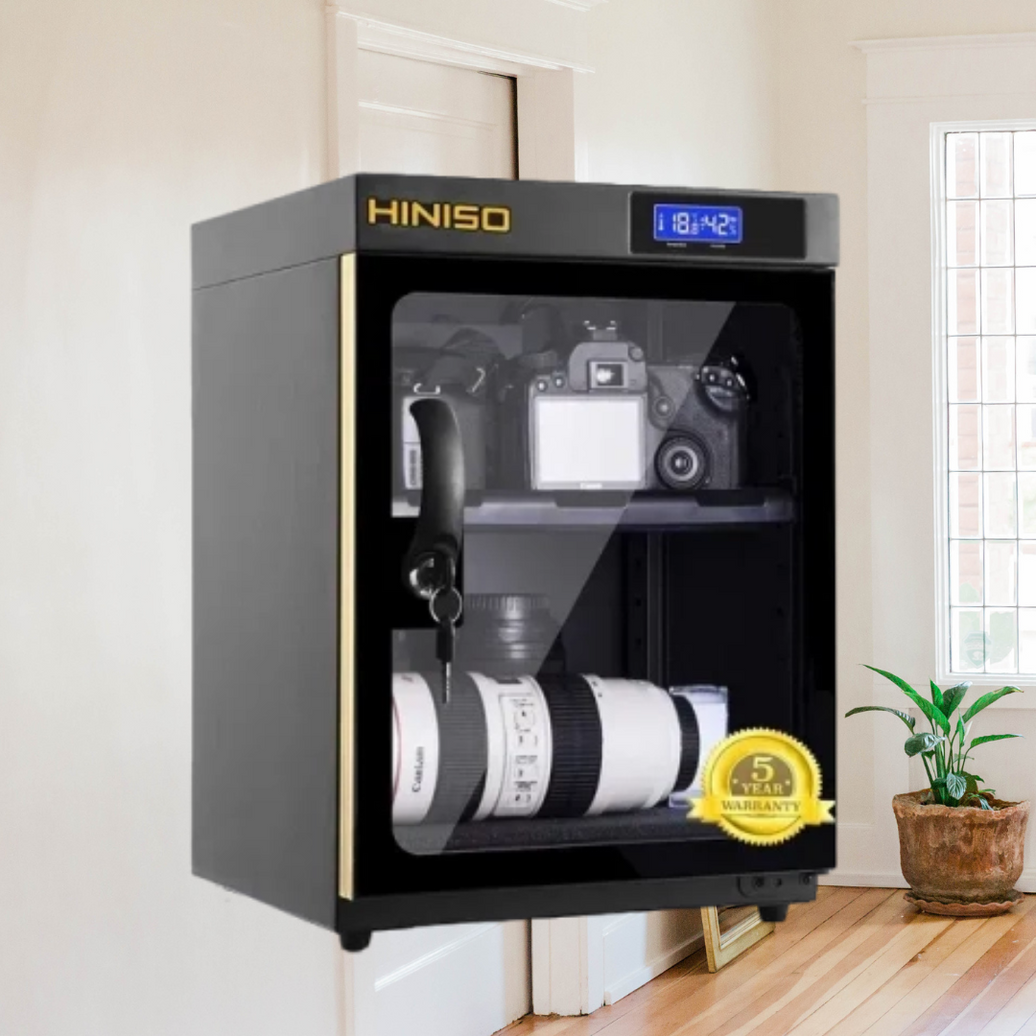
Yes. A humidity-controlled dry cabinet can provide additional protection for stamp collections, particularly in humid climates.
Unlike an ordinary cupboard or plastic box, a dry cabinet helps maintain a more stable humidity level throughout the year.
Benefits include:
- Stable humidity control
- Reduced risk of mold and foxing
- Protection from dust
- Less reliance on silica gel
- Continuous protection during rainy seasons
A dry cabinet can also be used for other humidity-sensitive collectibles such as banknotes, coins, documents, photographs and postcards.
For stamp storage, set the cabinet to approximately 40%–50% RH. Keep the stamps inside acid-free albums or archival stockbooks and store the albums upright inside the cabinet.
The dry cabinet controls the surrounding environment, but it should still be used together with proper archival storage materials.
Looking for better humidity protection for your collection?
[Explore Our Humidity-Controlled Dry Cabinets]
Stamp Storage Mistakes to Avoid
Avoid:
- Laminating stamps
- Using adhesive tape or glue
- Storing stamps in PVC sleeves
- Wrapping rubber bands around albums
- Touching stamps with bare fingers
- Exposing stamps to direct sunlight
- Storing albums in damp or hot areas
- Allowing humidity to remain above 60% RH
Many of these practices can cause permanent damage that is difficult or impossible to reverse.
Preserve Your Collection for the Future
Good stamp collection storage requires stable humidity, acid-free materials, careful handling and protection from light, dust and insects.
Store stamps inside archival-quality albums, handle them with stamp tongs and keep the albums upright in a clean environment.
For collectors in humid climates, placing stamp albums inside a humidity-controlled dry cabinet can provide an added layer of year-round protection and help preserve the collection for future generations.