

Last updated: 23 August 2026
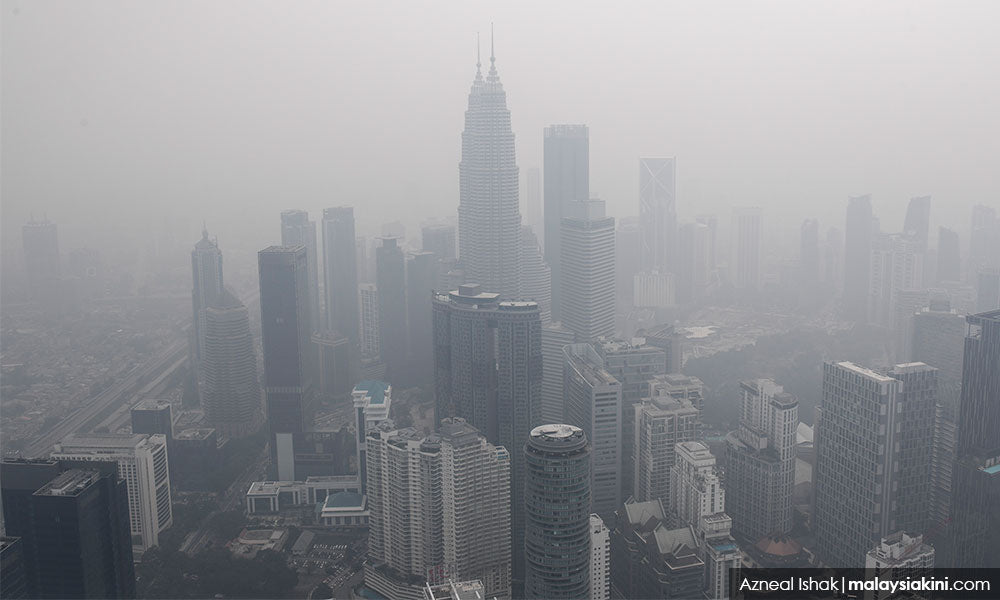
Haze has been a near-daily headline in Malaysia since 8 August 2026, with Sarawak taking the brunt of it. Multiple monitoring stations — Serian, Kuching, Samarahan, Bintulu, Sri Aman and others — have swung between "unhealthy" and "very unhealthy" Air Pollutant Index (API) readings for over two weeks, prompting school outdoor-activity bans and the postponement of Sarawak's state-level National Day events.
Here's where things stand, why this haze season is different, and what actually helps once the smoke settles over your home.
The current situation (as of late August 2026)
Since haze conditions set in on 8 August, Sarawak has consistently recorded the country's worst air quality:
- On 11–12 August, the Department of Environment's APIMS logged 11 monitoring stations at unhealthy levels, with Serian peaking at API 204 ("very unhealthy") — the worst reading of the episode so far.
- By 20 August, six Sarawak stations were still unhealthy, led by Serian (187) and Kuching (182).
- On 22 August, Sarawak's Deputy Premier announced the postponement of the state-level National Day Celebration and two other major events as a precaution.
- The Sarawak Education Department has directed schools to halt outdoor activities wherever the local API exceeds 100.
The Ministry of Natural Resources and Environmental Sustainability (NRES) attributes the episode to El Niño coinciding with the Southwest Monsoon, which has brought below-average rainfall to southern Peninsular Malaysia and western/southern Sarawak — conditions that raise the risk of both local peat fires and transboundary haze drifting in from Kalimantan and Sumatra. Some days have seen hundreds of hotspots detected across Kalimantan against a much smaller number domestically, which is the typical signature of a transboundary (rather than purely local) haze episode.
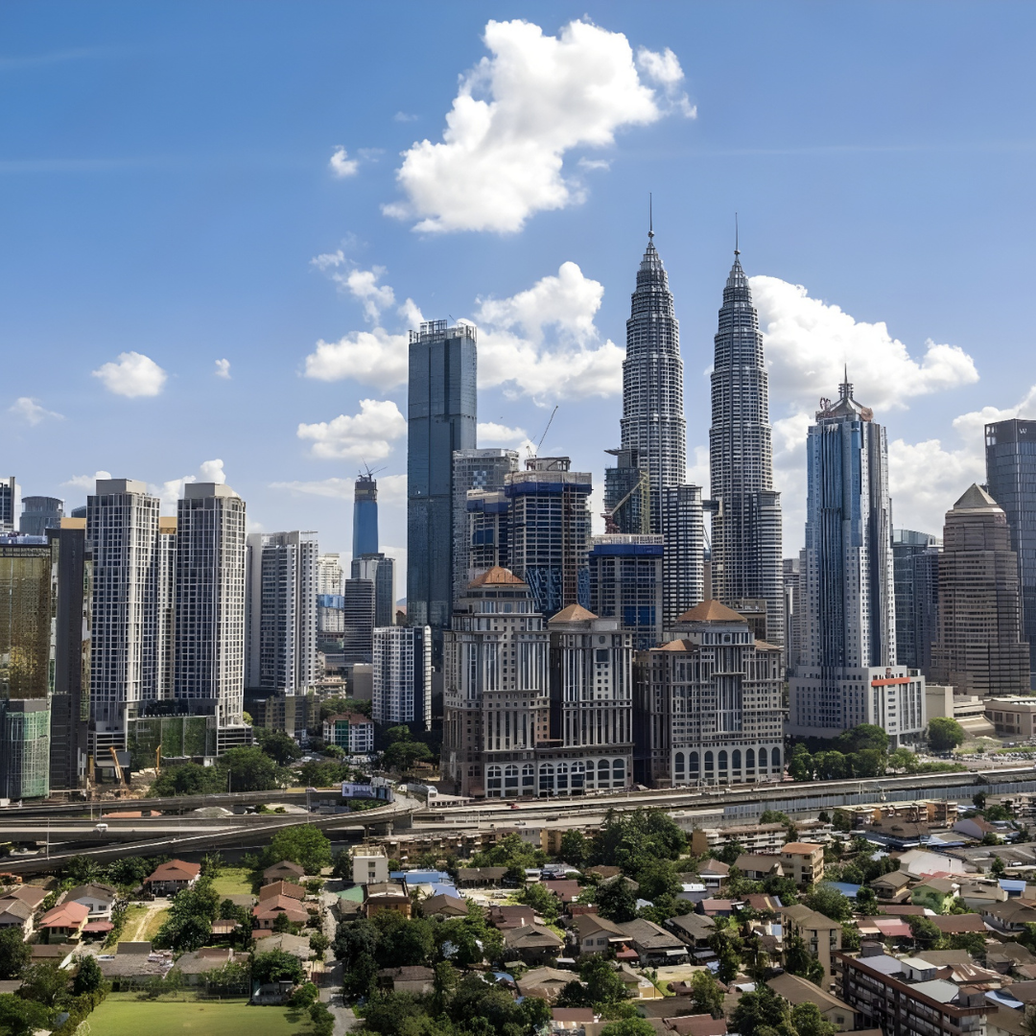
Peninsular Malaysia has been comparatively less affected, with occasional unhealthy readings in Cheras, Putrajaya, Shah Alam and Johan Setia, Selangor — but conditions can shift quickly if winds change.
Reading the API bands
| API | Category | What it means for you |
|---|---|---|
| 0–50 | Good | Normal activities |
| 51–100 | Moderate | Normal activities |
| 101–200 | Unhealthy | Reduce outdoor activity, especially for children, elderly and those with respiratory conditions |
| 201–300 | Very Unhealthy | Avoid outdoor activity; schools may suspend outdoor programmes |
| 301–500 | Hazardous | Stay indoors; follow official advisories closely |
Authorities have repeatedly urged the public to rely only on official readings — from DOE's APIMS portal or Sarawak's NREB Daily Haze Watch — rather than unverified figures circulating online.
What to do while haze conditions persist
- Check API readings regularly via APIMS (DOE Malaysia) or the Sarawak NREB's Daily Haze Watch.
- Close doors and windows when outdoor air quality deteriorates, as officials have specifically advised in Sarawak.
- Wear a proper face mask outdoors once API crosses into unhealthy territory — ordinary surgical masks don't filter PM2.5 effectively.
- Avoid strenuous outdoor activity and sports, particularly for children, the elderly, and anyone with existing respiratory or heart conditions.
- Avoid open burning — officials have flagged this repeatedly, since local fires compound the transboundary smoke already in the air.
- Stay hydrated, and keep medication on hand if you or a family member has asthma or another chronic respiratory condition.
What actually helps indoors: air purification + dehumidification
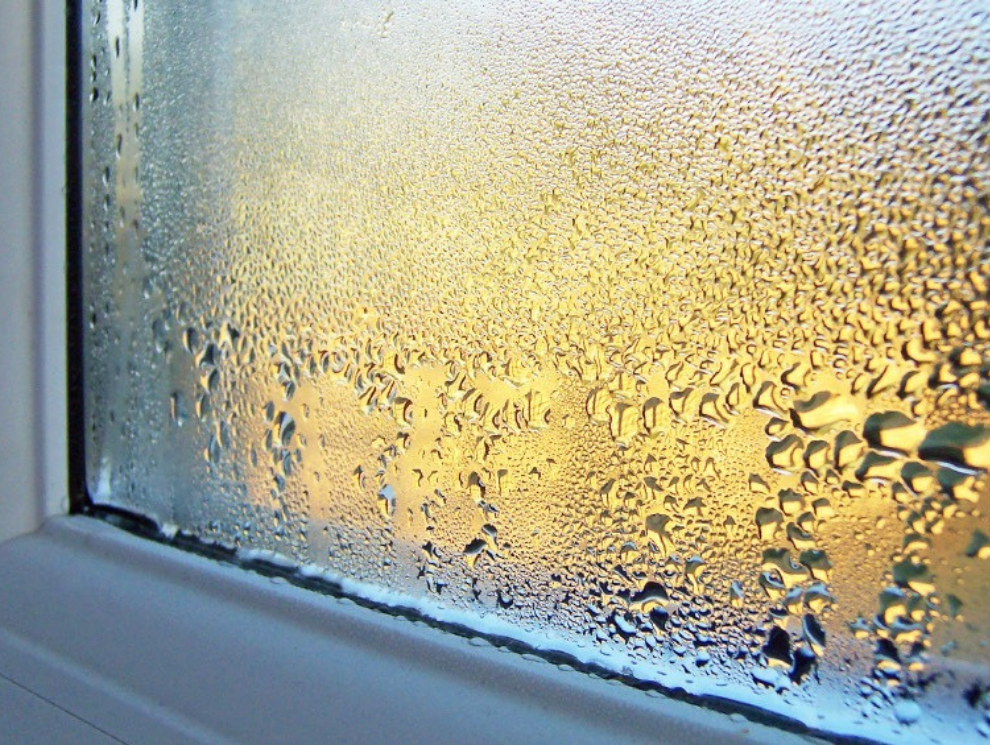
Closing windows keeps outdoor haze out, but it also traps humidity and stale air indoors — and Malaysia's tropical climate means indoor humidity is already a year-round issue on top of the current dry, hot, hazy stretch. A combined air purifier and dehumidifier addresses both problems in one unit rather than needing two separate appliances.

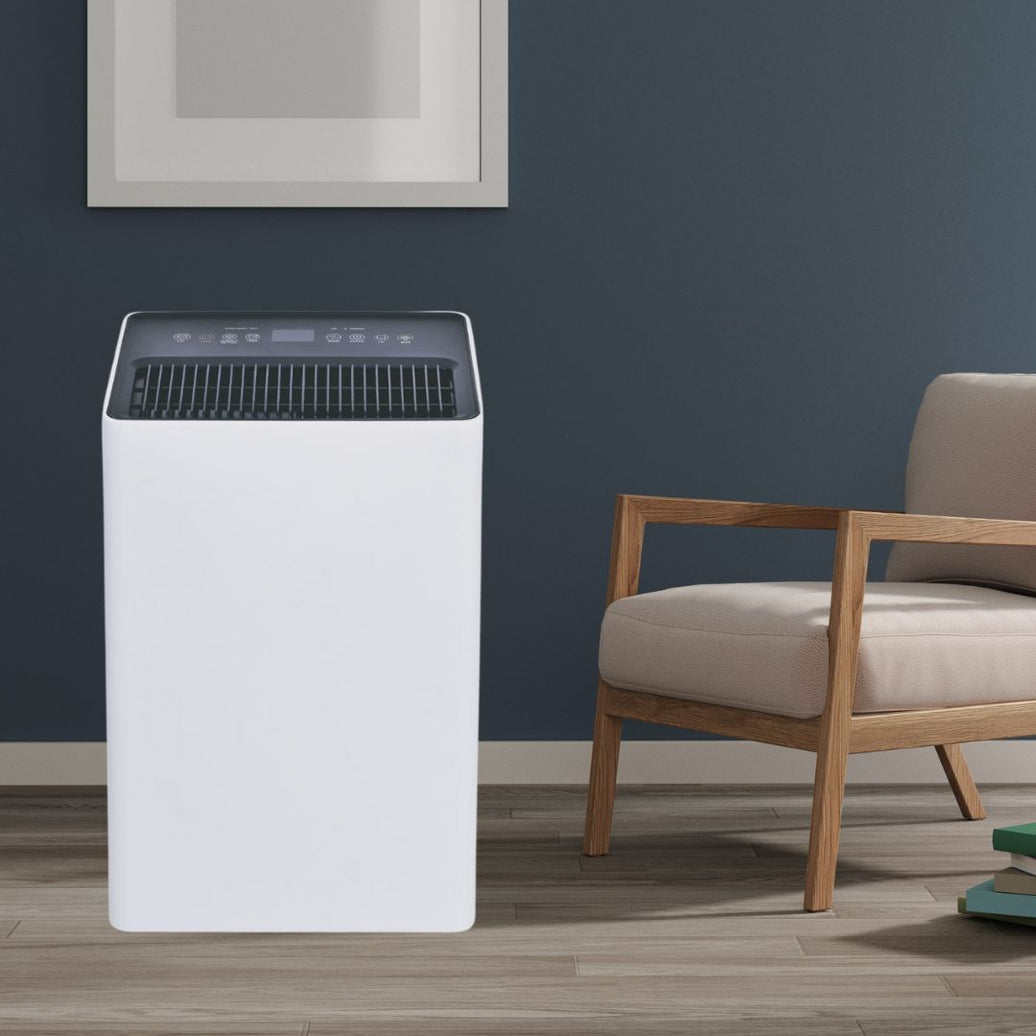
Our AIRDRY Smart Pro 25L 4-in-1 Dehumidifier + Air Purifier is built for exactly this combination:
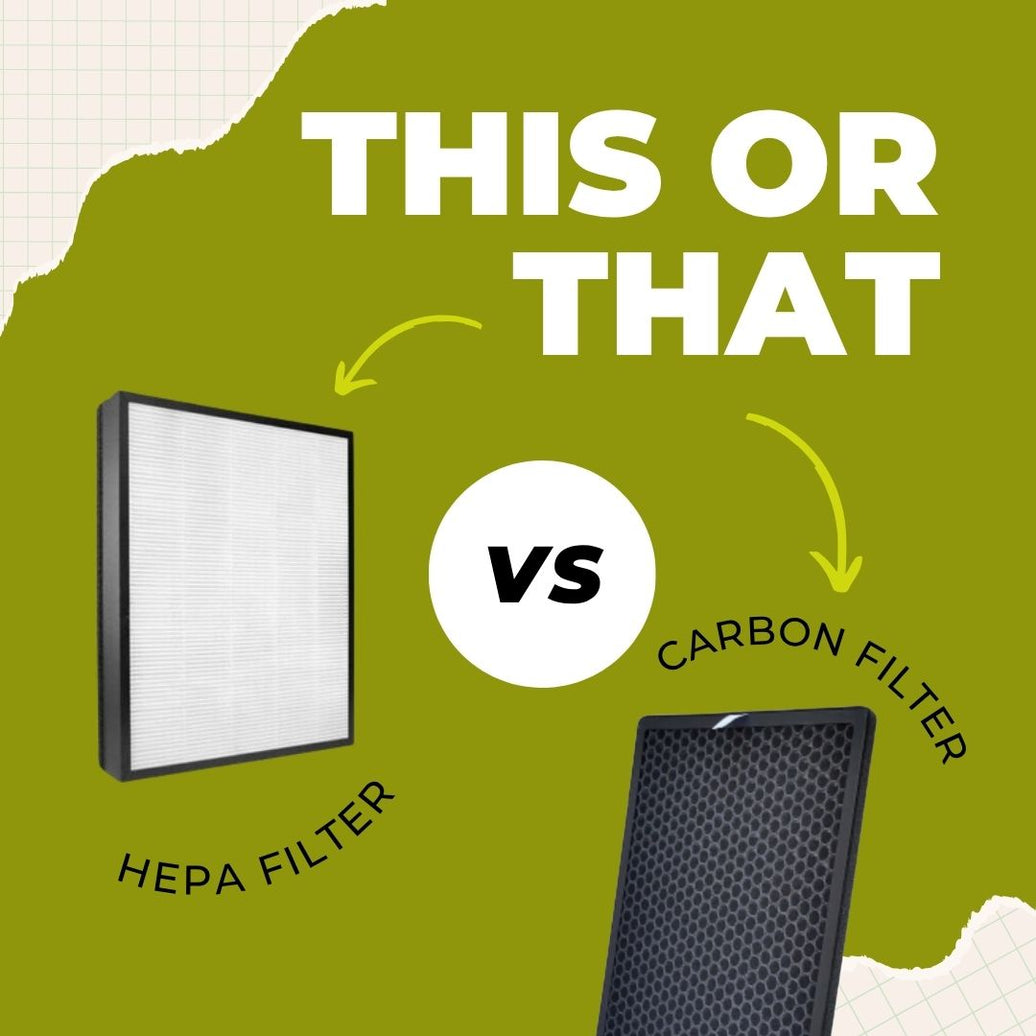
- Medical-grade H13 HEPA filtration with a negative ioniser and UV light, removing up to 99.95% of airborne particles — including the fine PM2.5 that drives haze health advisories.
- Up to 25L of moisture removal a day, keeping indoor humidity in check while doors and windows stay shut.
- Coverage of up to 60m², suited to a living room, bedroom, or home office.
- A 5.3L water tank with continuous drainage option, so it can run unattended through multi-day haze episodes without frequent emptying.
- Smart Life app control, letting you switch it on remotely before arriving home if the API has spiked during the day.
It's not a substitute for staying indoors when readings turn hazardous, but it's a practical way to keep the air inside your home meaningfully cleaner while the haze runs its course outside.
Recent reporting on this haze episode
- 11 areas log unhealthy API readings in Sarawak — New Straits Times
- Sarawak bears brunt of worsening haze, Serian API hits 179 — New Straits Times
- Thick haze hits Sarawak with six areas recording unhealthy API levels — New Straits Times
- Haze: Six areas in Sarawak record unhealthy API readings — The Star
- Sarawak postpones National Day events as haze pushes API readings to unhealthy levels statewide — Malay Mail
- APIMS — Department of Environment Malaysia — official real-time API readings
This article is for general information and isn't a substitute for official DOE or NRES advisories. Always check APIMS for the latest readings in your area.