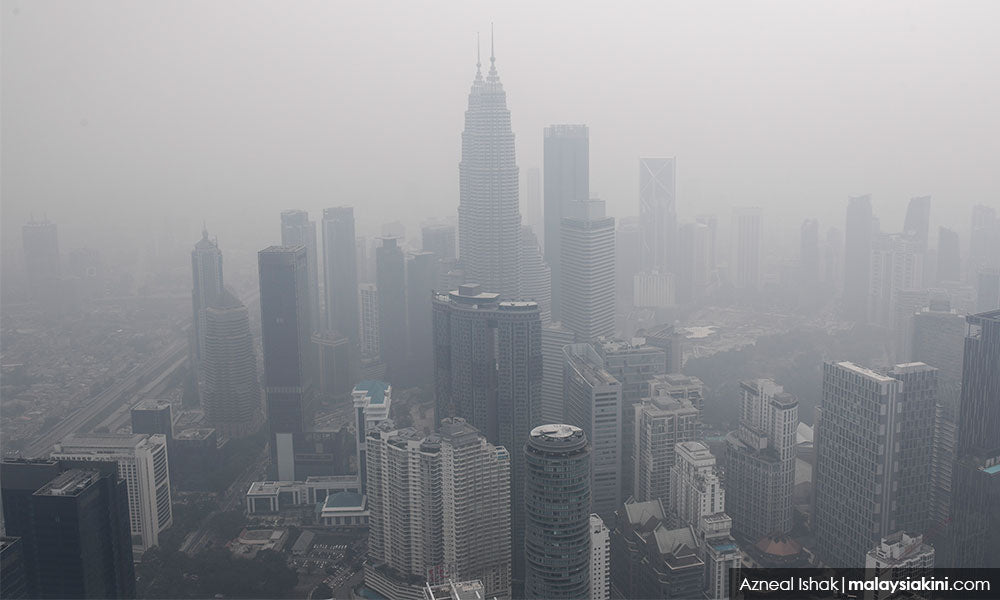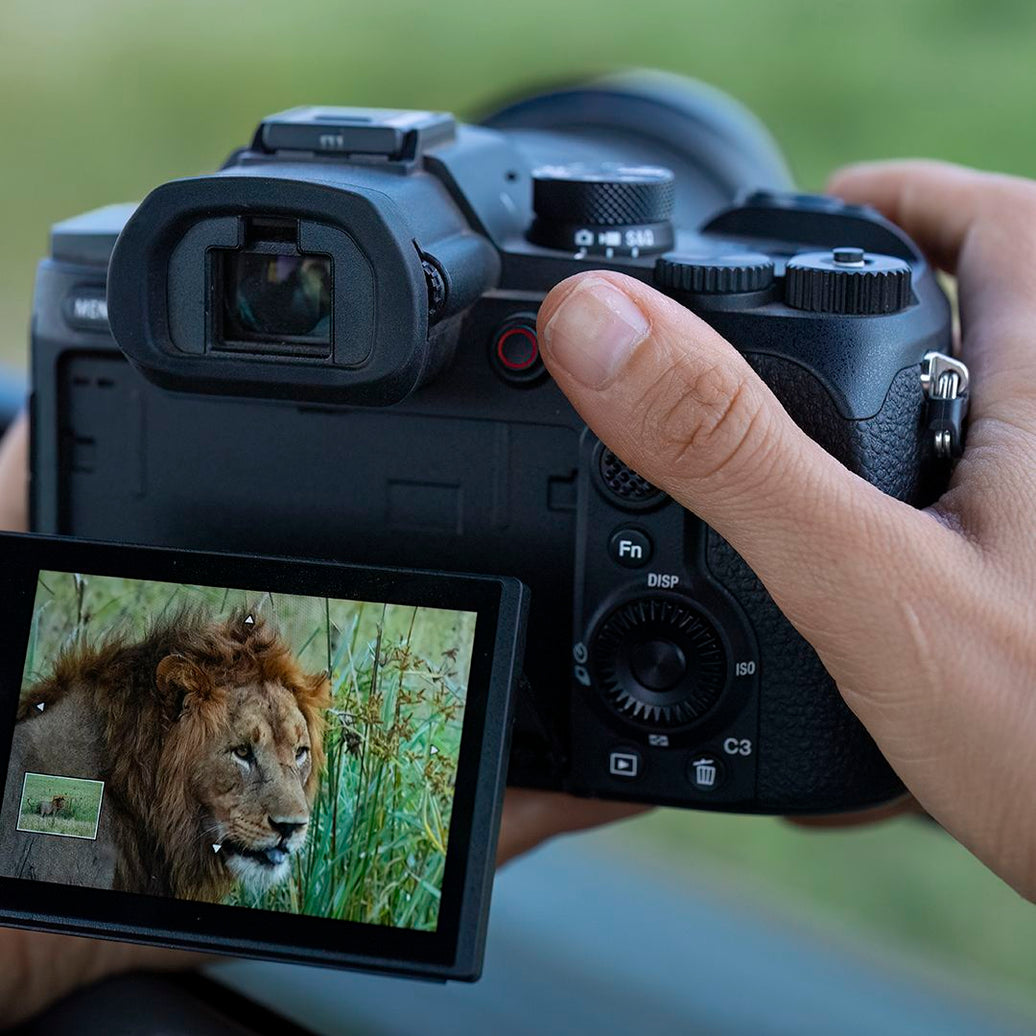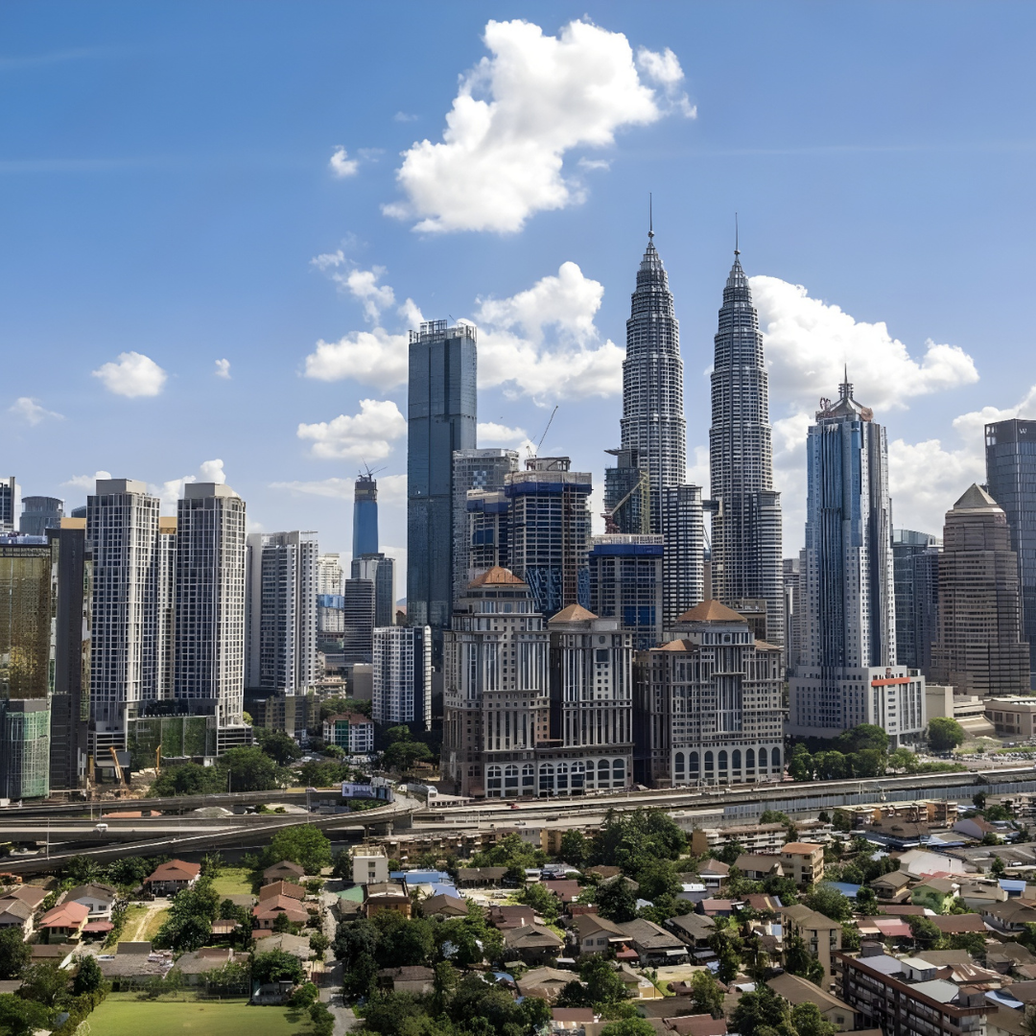



Kuala Lumpur is a dream for photographers. Glass towers sit next to old colonial buildings. Colorful temples share streets with night markets. And there's a green park or a hilltop view around almost every corner.
But KL is also hard on cameras. It's hot, humid, and prone to sudden rain. Here are the best places to shoot, plus the gear habits that photographers in humid cities rely on to keep their cameras working.
When to Shoot in Kuala Lumpur

KL sits close to the equator, so sunrise and sunset happen at roughly the same time all year, around 7 a.m. and 7 p.m. Here's how to plan your day:
- Early morning (around sunrise). Softer light, fewer crowds, and cooler air. This is the best time for most outdoor spots.
- Golden hour and blue hour (around sunset). Great for the skyline and city streets, since the towers light up as the sky darkens.
- Midday. Harsh light and strong heat. Use this time for indoor spots, markets, or a break in an air-conditioned café.
- Afternoon rain. Thunderstorms are common in the afternoon in many months, so always pack a rain cover and check the forecast.
The Best Photography Spots in Kuala Lumpur
1. KLCC Park and the Petronas Twin Towers

This is the classic KL shot. The park has a lake, palm trees, and fountains, and the towers rise right above them. Go at dusk, when the lights come on, for reflections in the water.
Tip: Bring a wide-angle lens to fit the towers in, and a small tripod if the rules allow it. Some areas restrict tripods, so check on-site.
2. Merdeka Square and Sultan Abdul Samad Building

The historic buildings here, with their arches and copper domes, make a striking contrast with the modern skyline. Early morning and blue hour are both lovely.
Tip: This area works well for architecture and street photography. Look for symmetry and leading lines.
3. Batu Caves

A giant golden statue, a long rainbow staircase, and a cave temple. It's vivid, busy, and very photogenic. Go early to avoid crowds and heat.
Tip: Macaque monkeys live here, and they are known for grabbing loose items, like bags, bottles, and sometimes cameras. Keep your gear strapped on and your bag zipped. Dress modestly, as it's a place of worship.
4. Thean Hou Temple

A colorful, multi-tiered Chinese temple on a hill, with lanterns, red pillars, and city views. It's especially nice during festivals, when there are extra decorations.
Tip: Use a lens that's good for details, like lanterns, carvings, and rooftops, as well as a wide-angle for the full temple.
5. Chinatown (Petaling Street) and Jalan Alor

For street and food photography, these are the places. You'll find neon signs, steaming food stalls, and busy crowds, especially after dark.
Tip: Use a fast lens (wide aperture) for low-light scenes. Be polite and ask before taking close-up portraits of stall owners.
6. Perdana Botanical Garden (Lake Gardens)

A quiet escape from the city, with lakes, trees, and walking paths. It's great for nature, portraits, and early morning mist, if you're lucky.
Tip: Bring a mid-range zoom or a short telephoto for flowers, birds, and candid shots.
7. KL Tower and Bukit Nanas Forest Eco Park

The tower stands on a forested hill, and the area offers a view of the skyline. The forest park beside it has trails and tall trees, and it can feel very different from the busy city streets just below.
Tip: Check opening hours, access rules, and entry fees in advance, since they can change.
8. Little India (Brickfields)

Bright saris, garlands of flowers, and busy shops. Great for color and street portraits, especially during festivals.
Tip: Look for strong colors and textures. A quick, friendly "may I?" goes a long way.
9. Masjid Jamek and the River of Life Area

Where two rivers meet, the old mosque stands among the modern buildings. It's a beautiful spot for architecture, especially around sunset.
Tip: Respect prayer times and dress modestly.
How Photographers in Humid Cities Protect Their Gear
Shooting in Kuala Lumpur isn't hard on you alone. Your camera and lenses face constant heat, humidity, and rain. These are habits that photographers in hot, humid climates commonly rely on.
Fight Humidity With Dry Storage

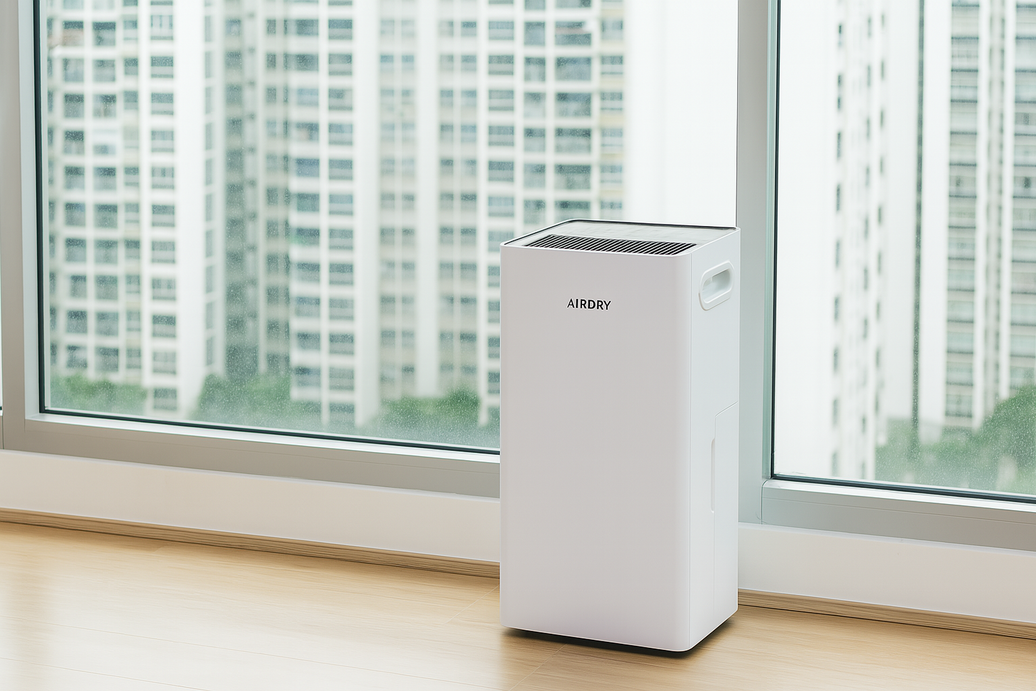
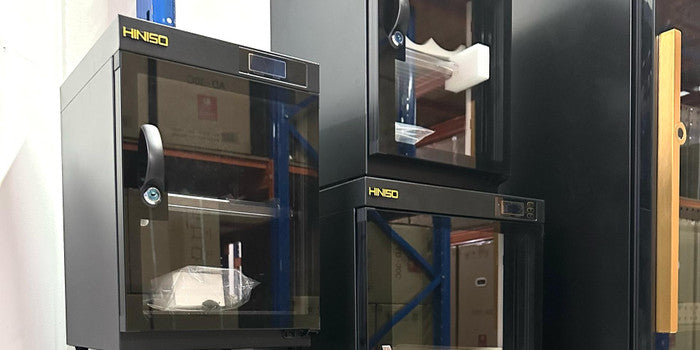
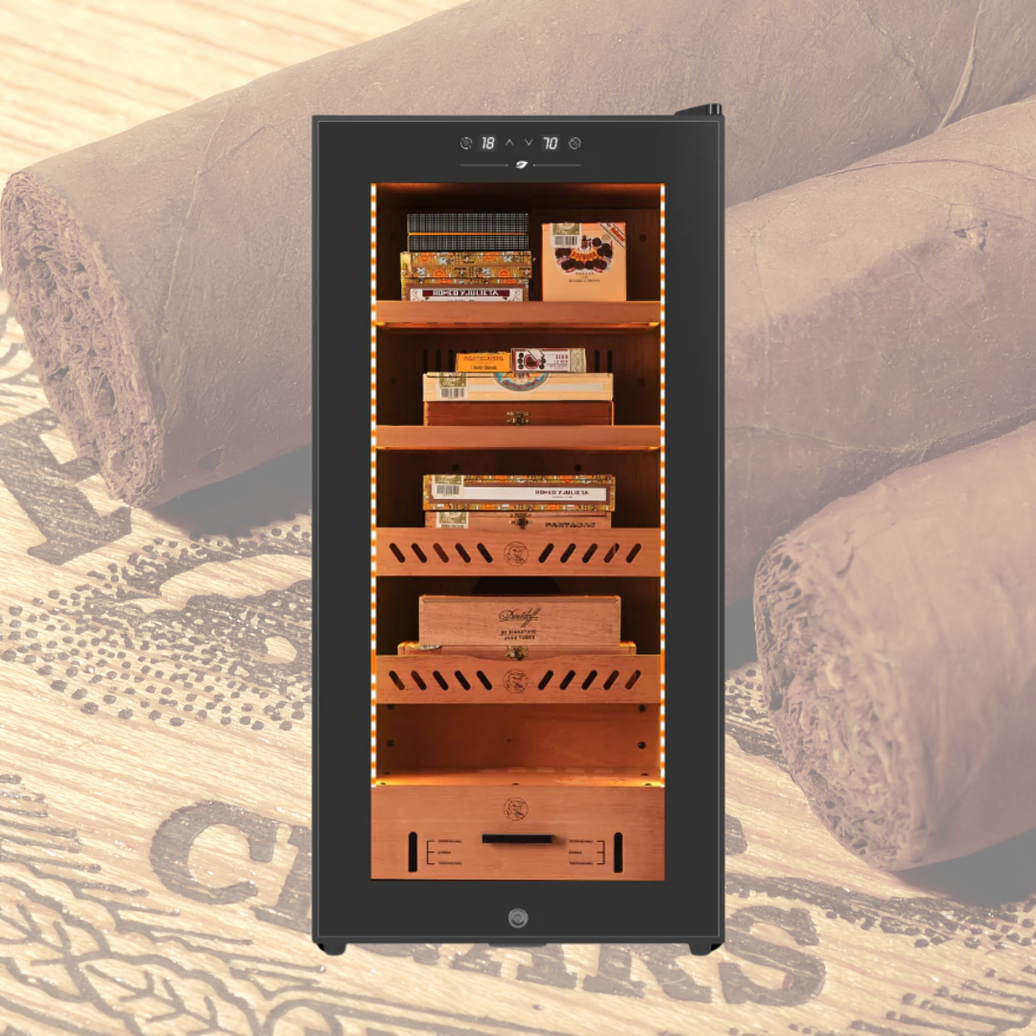
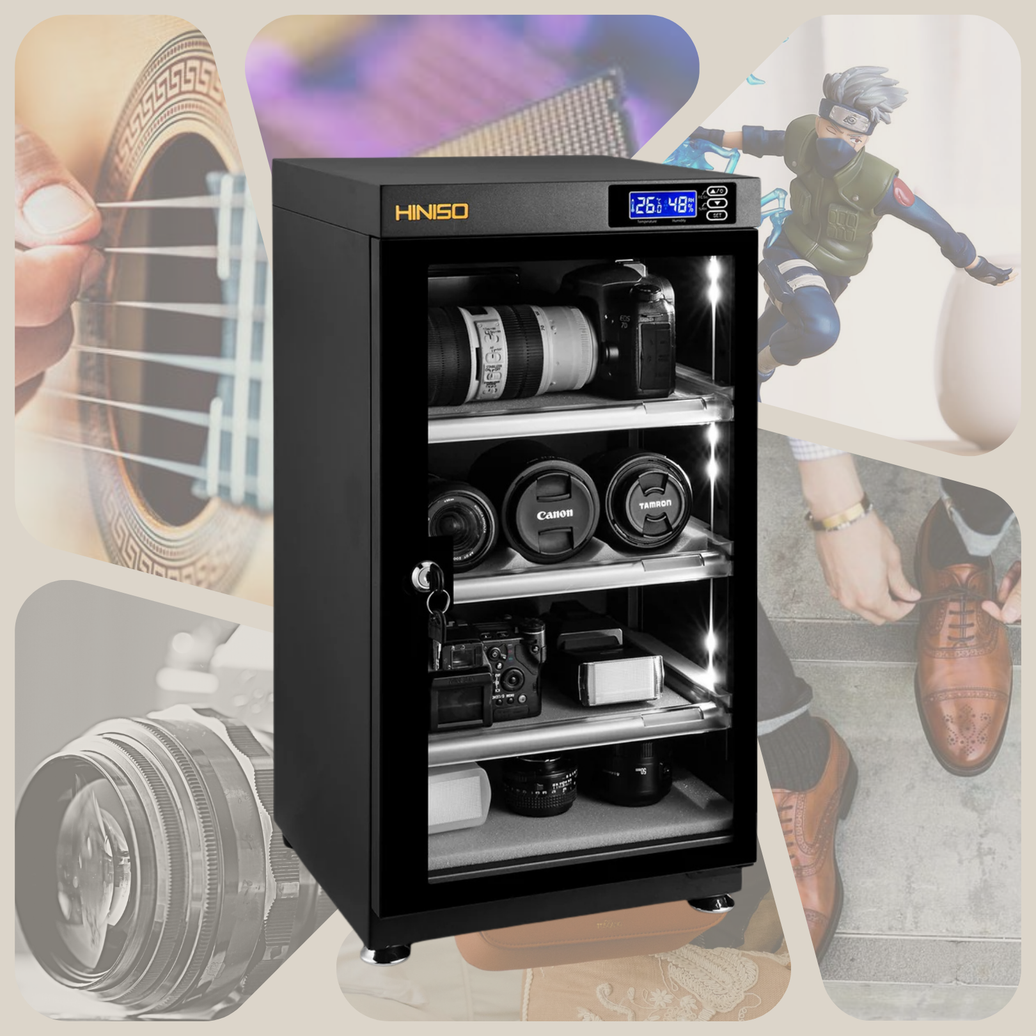
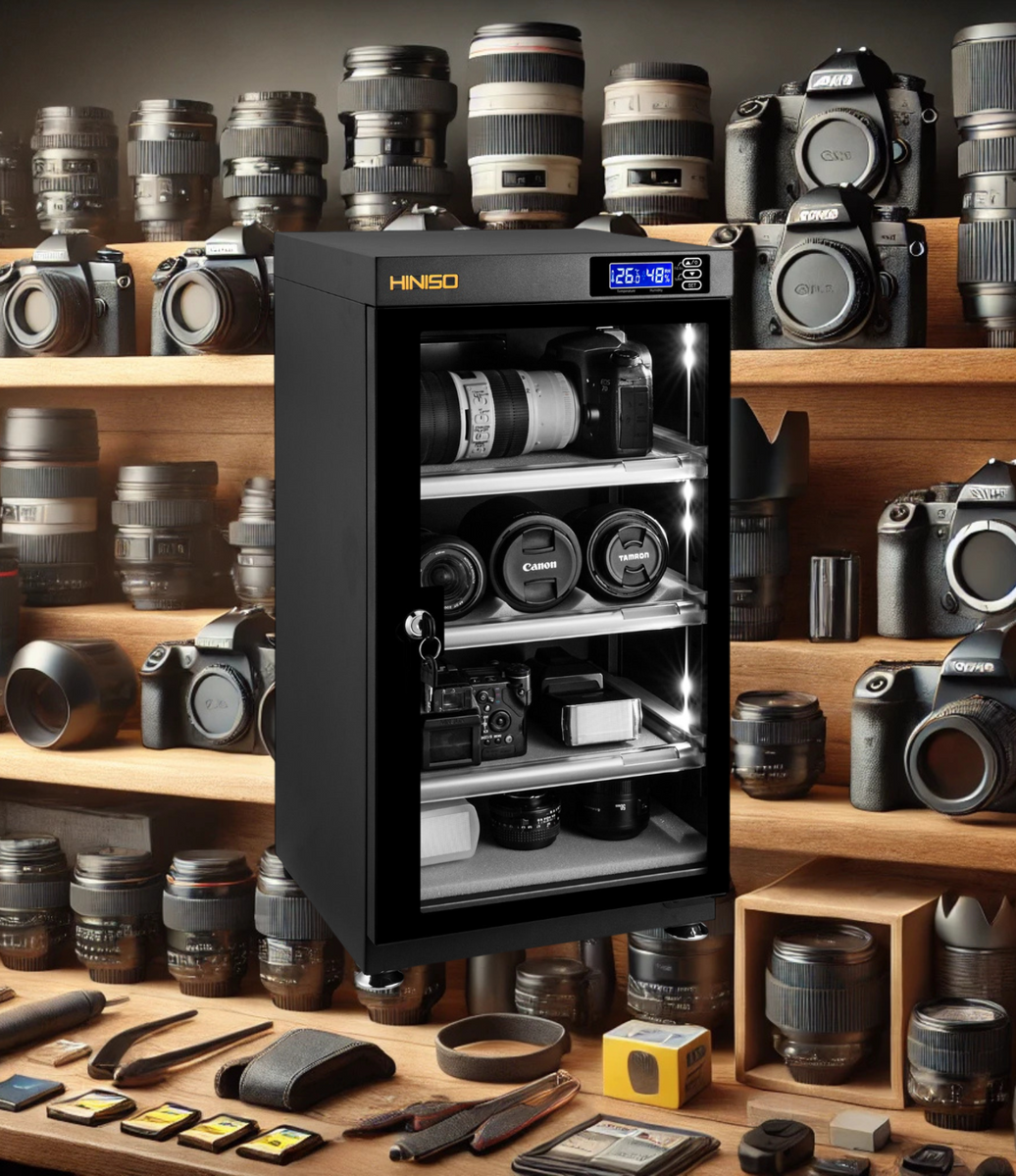
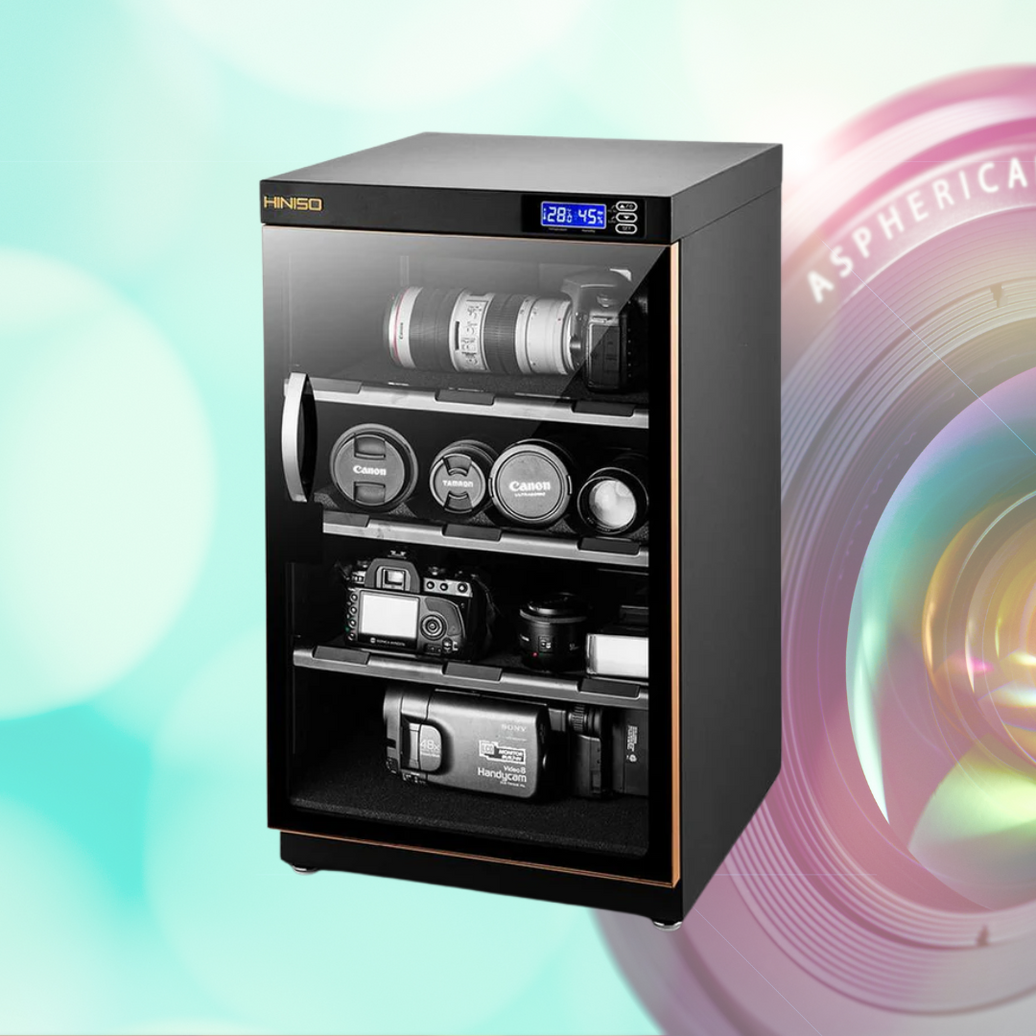
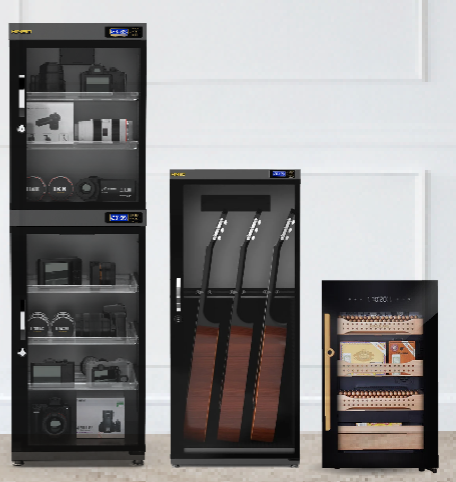
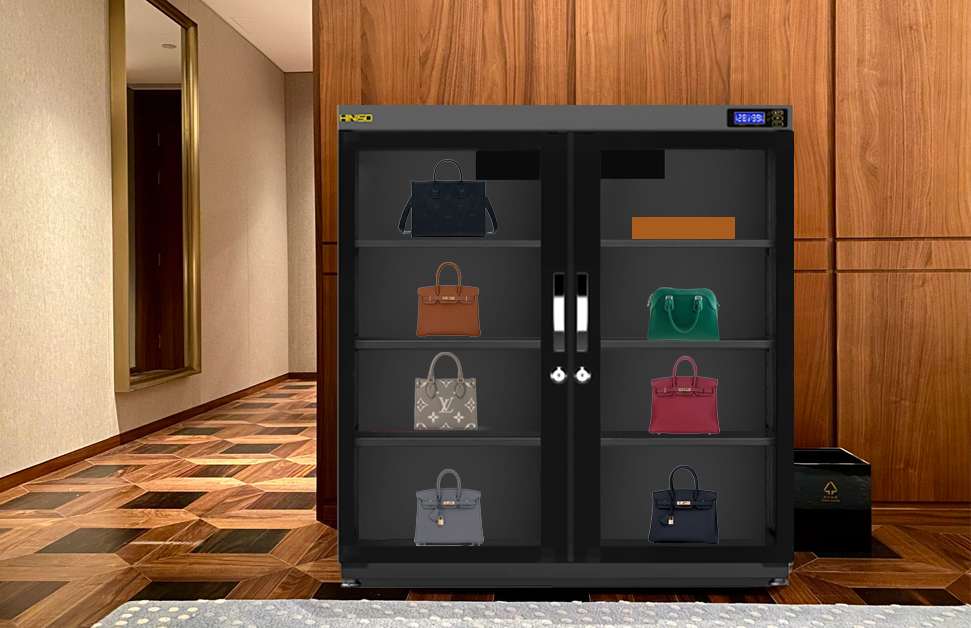
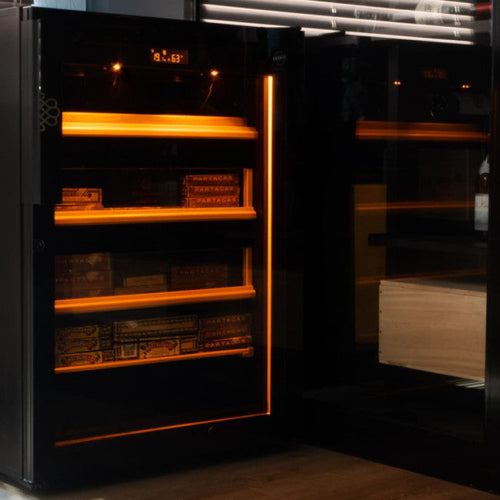
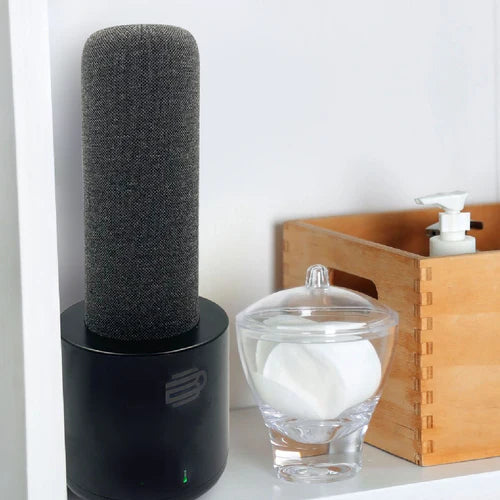
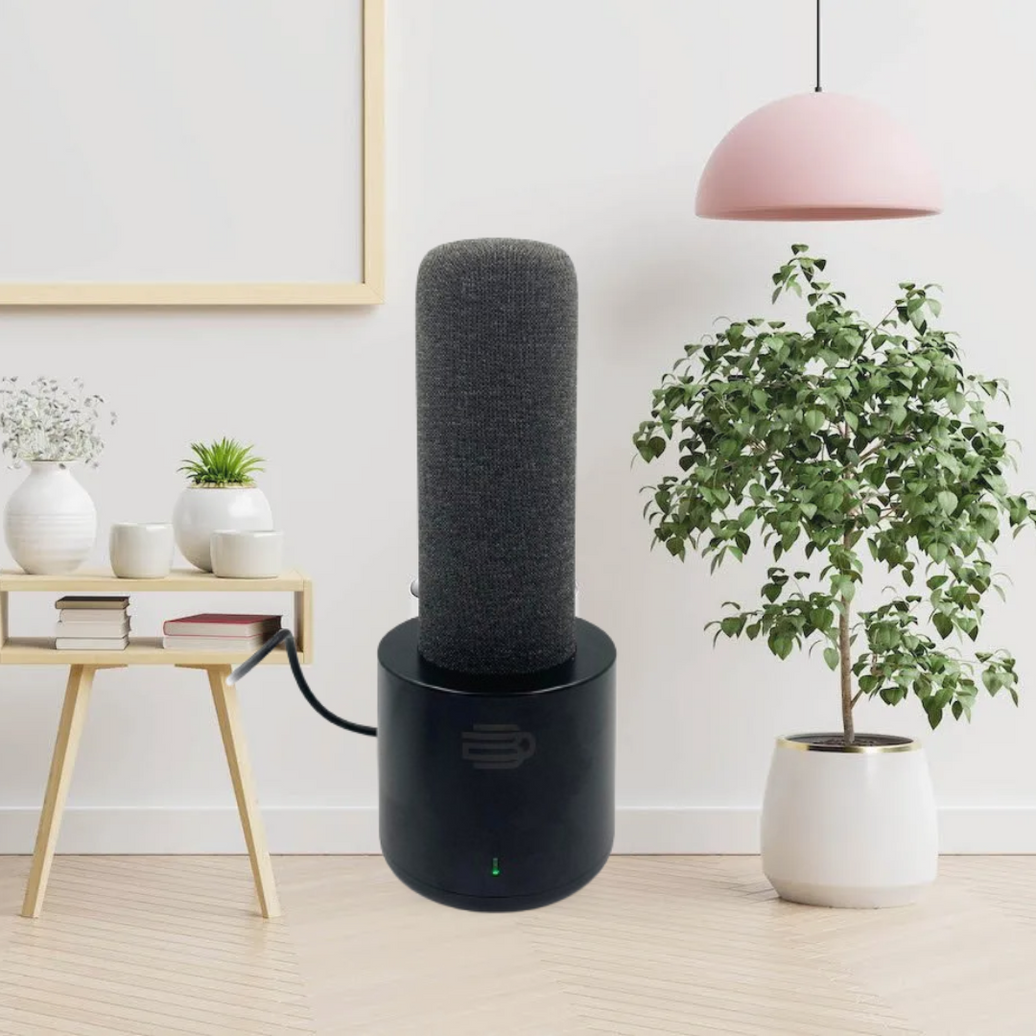
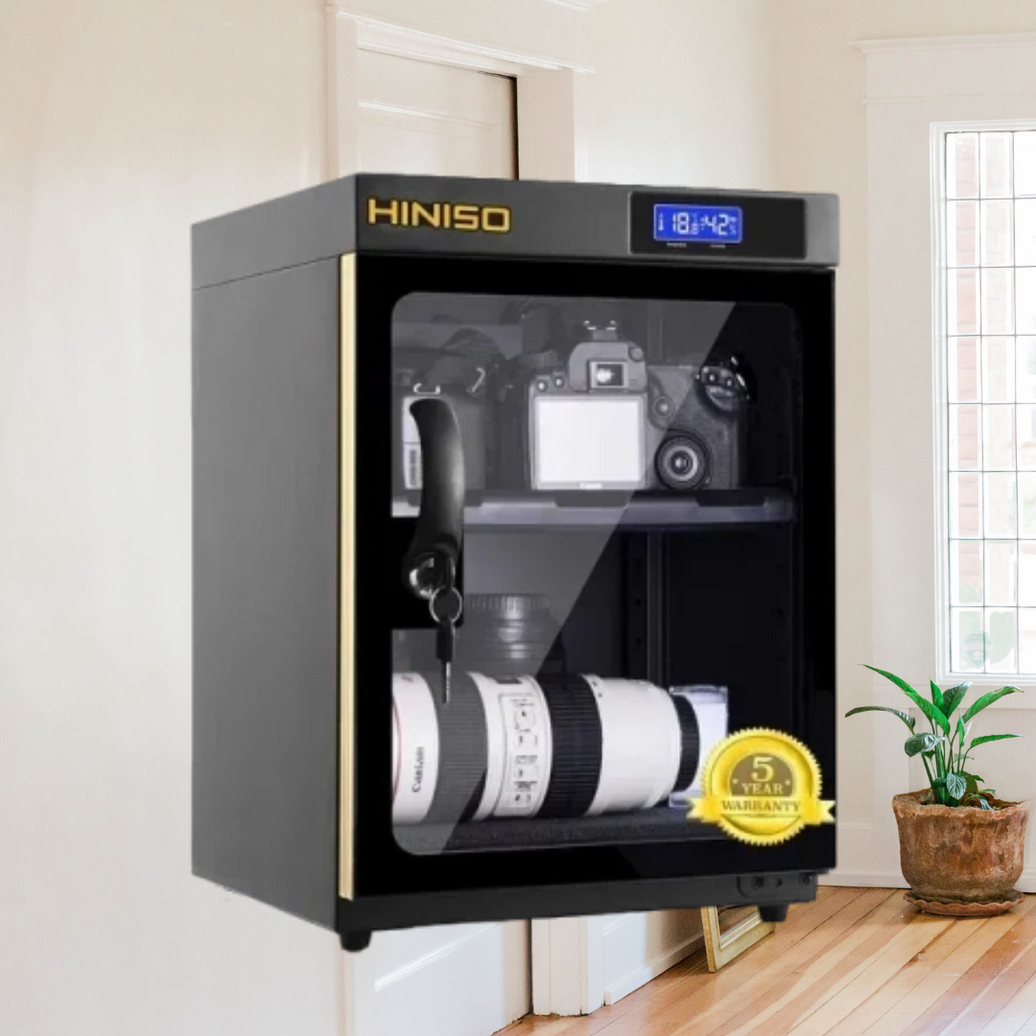
In KL's humidity, lenses can grow fungus, and electronics can corrode. The most common fix is a dry cabinet that keeps humidity at a steady, safe level, usually around 40% to 50%. Silica gel packs inside a sealed box can work as a budget option, but they fill up quickly and need replacing often.
If you want to learn more, see our guide on whether you need a dry cabinet if you only own one camera and our post on why monsoon humidity damages camera gear in Malaysia.
Don't Let Fog Hit Your Lens

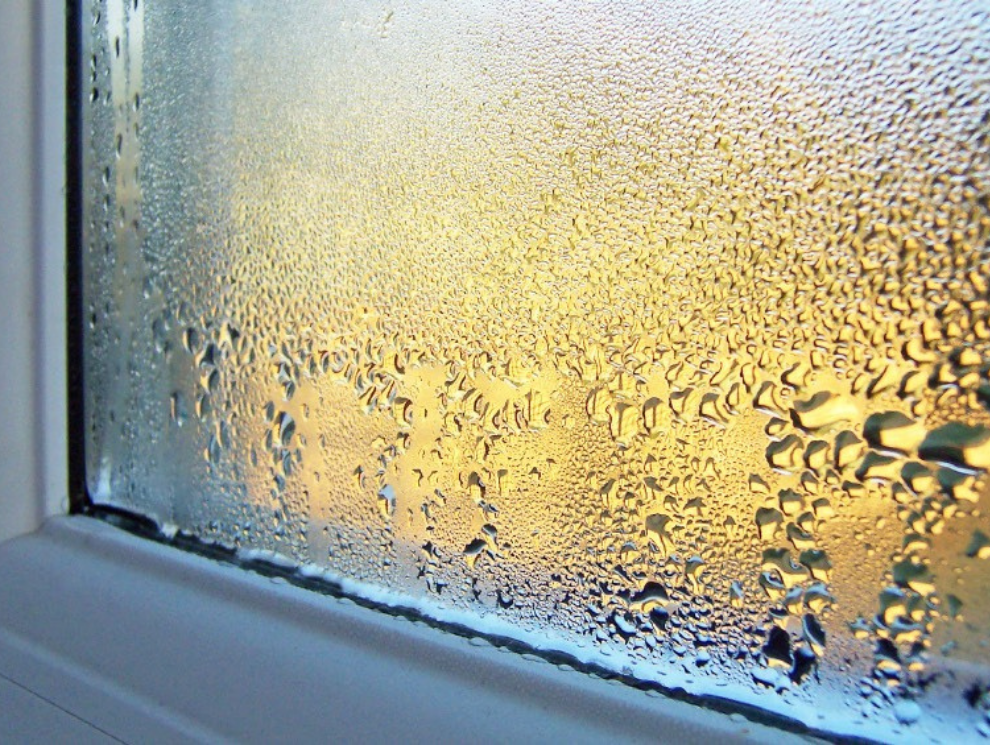
Going from an air-conditioned room into hot, humid air makes lenses and viewfinders fog up. To avoid it:
- Keep your gear in your bag for 15 to 30 minutes when you step outside, so it warms up slowly.
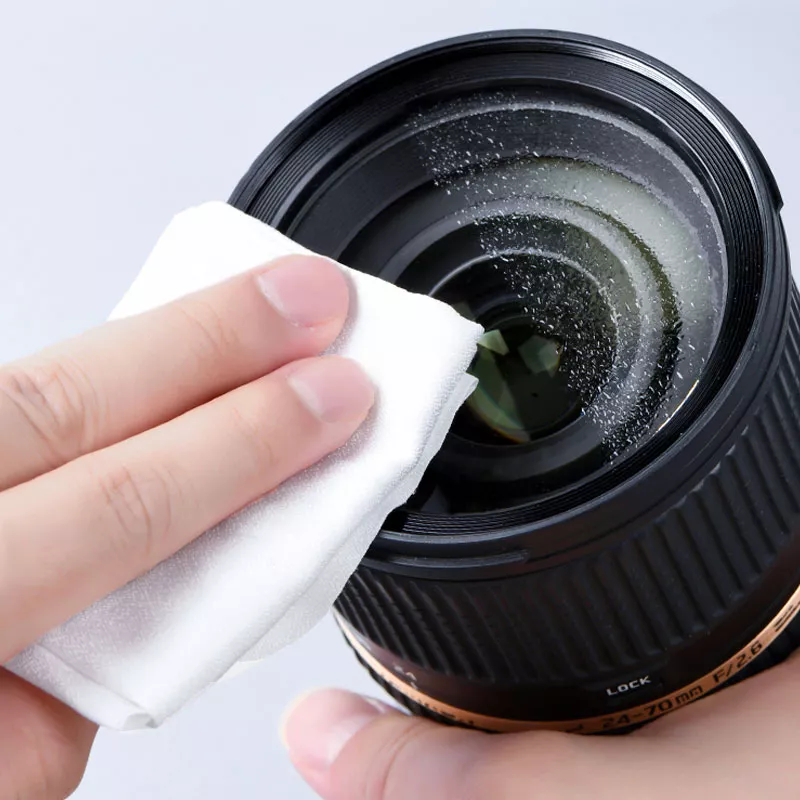
- Wipe condensation gently with a clean microfiber cloth. Don't rub hard.
- Do the same in reverse when you come back inside.
Be Ready for Sudden Rain

- Carry a rain cover or a clear plastic bag with a hole cut for the lens.
- Pack a small microfiber cloth and a spare dry towel.
- Use a lens hood. It helps keep water droplets off the front element.
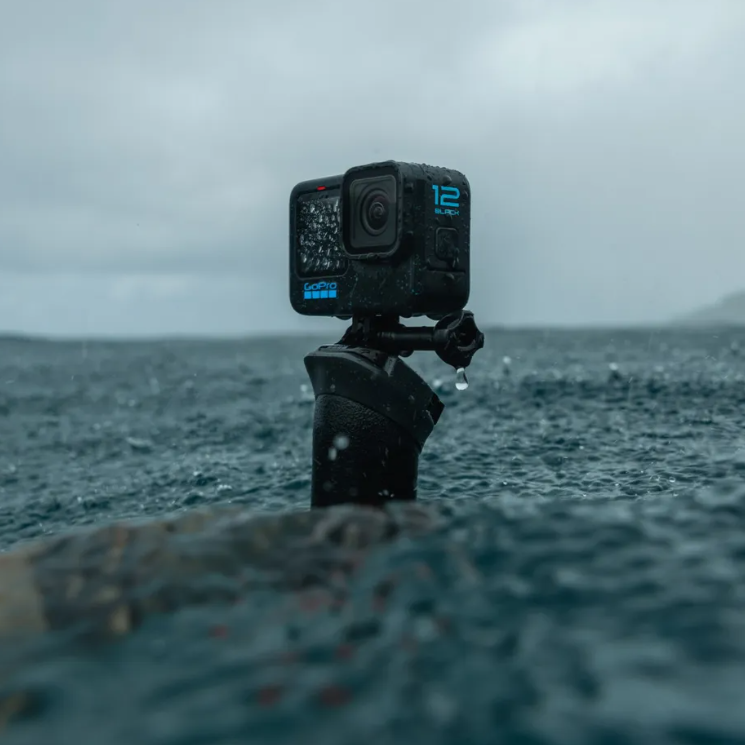
- Check your gear's weather sealing. Many cameras are weather-resistant, not waterproof, so don't push your luck.
Keep Your Gear Safe From Theft and Damage

- Use a strap and keep your camera close, especially in crowds.
- Zip your bag and keep it in front of you in busy places like markets.
- Watch for monkeys at Batu Caves, and keep lens caps and small items in a zipped pocket.
- Don't leave a bag unattended in a café or on a bench.
- Avoid leaving gear in a parked car, where heat and humidity build up quickly.
Take Care of Your Batteries and Memory Cards

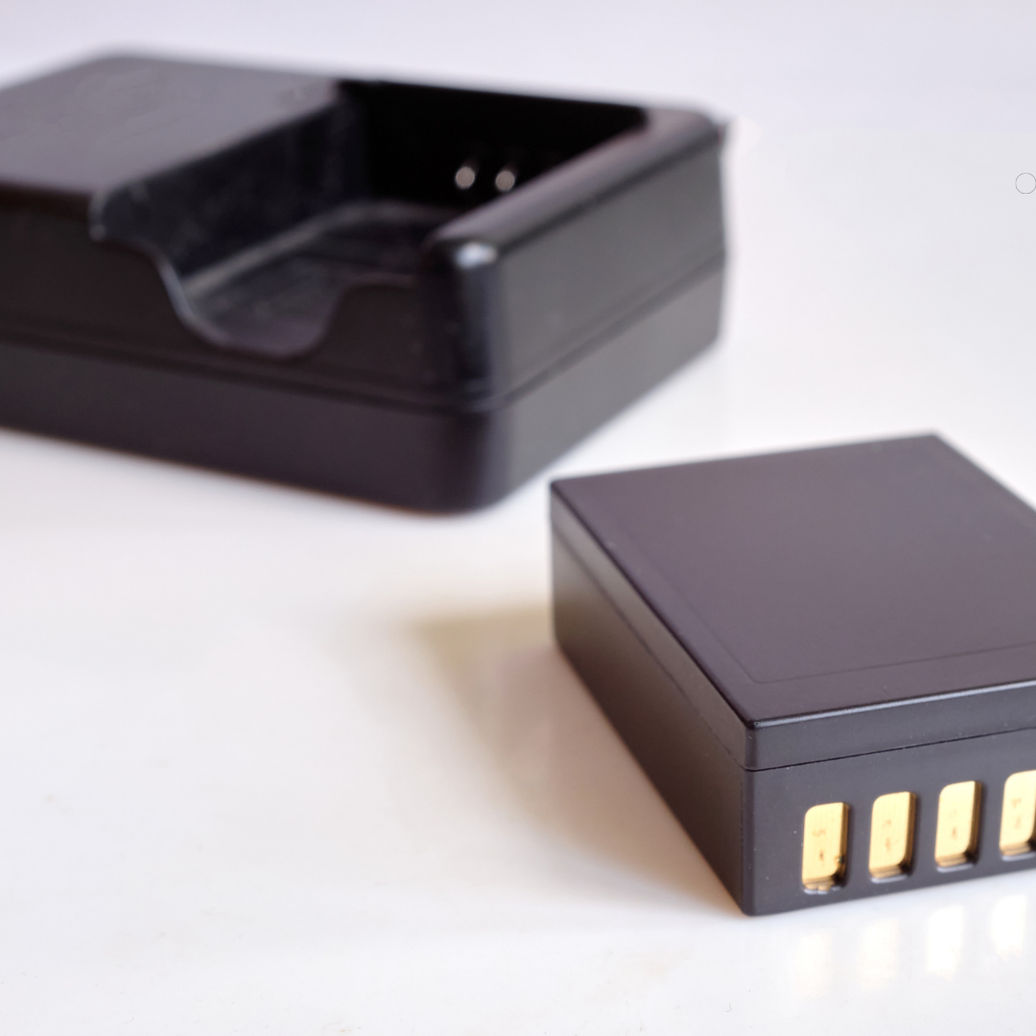
- Carry spare batteries. Heat and long days drain them faster.
- Keep cards in a protective case, and don't switch cards in the rain.
- Back up your photos at the end of each day.
Clean and Dry Your Gear After Every Shoot
When you get home:
- Let your gear acclimate inside the bag for a while before opening it.
- Wipe the body and lenses with a soft, clean cloth.
- Remove the memory card and battery and let everything air-dry in a cool, shaded spot.
- Store everything in a dry cabinet, or in a sealed box with fresh silica gel.
If your gear ever smells musty, take it seriously. See our post on why your DSLR smells musty after storage for what to do.
A Simple Photo Walk Checklist
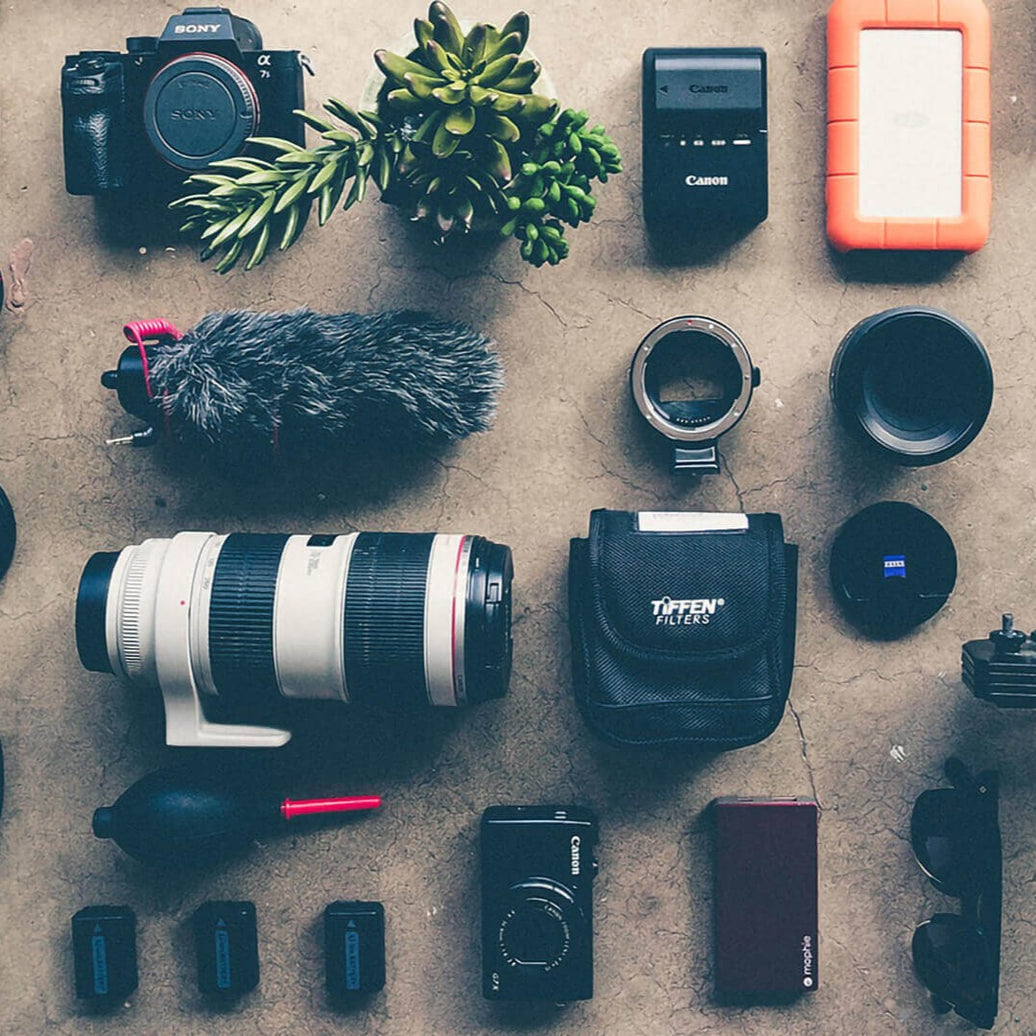
- Camera, lenses, and lens hood
- Rain cover and microfiber cloths
- Spare batteries and memory cards
- Water bottle and sun protection
- Small tripod (check the rules first)
- Zip-up bag and a camera strap
- A plan for the afternoon rain
Frequently Asked Questions
What are the best photography spots in Kuala Lumpur? Popular choices include KLCC Park and the Petronas Twin Towers, Merdeka Square, Batu Caves, Thean Hou Temple, Chinatown, Jalan Alor, and the Perdana Botanical Garden.
What is the best time to take photos in Kuala Lumpur? Early morning and around sunset usually give the best light. Midday is hot and harsh, and afternoon rain is common in many months.
How do I protect my camera from humidity in Malaysia? Store it in a dry cabinet or sealed box with silica gel, let it adjust slowly when moving between cool and warm areas, and wipe it dry after each shoot.
Is it safe to carry a camera in Kuala Lumpur? Generally, yes, if you take normal precautions. Use a strap, keep your bag zipped, and don't leave gear unattended. At Batu Caves, watch for monkeys.
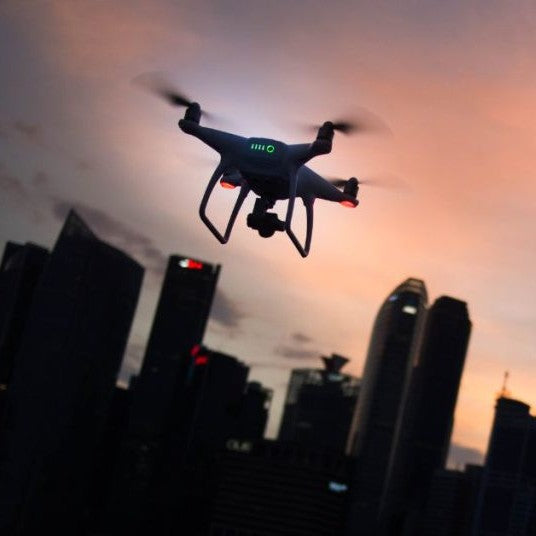
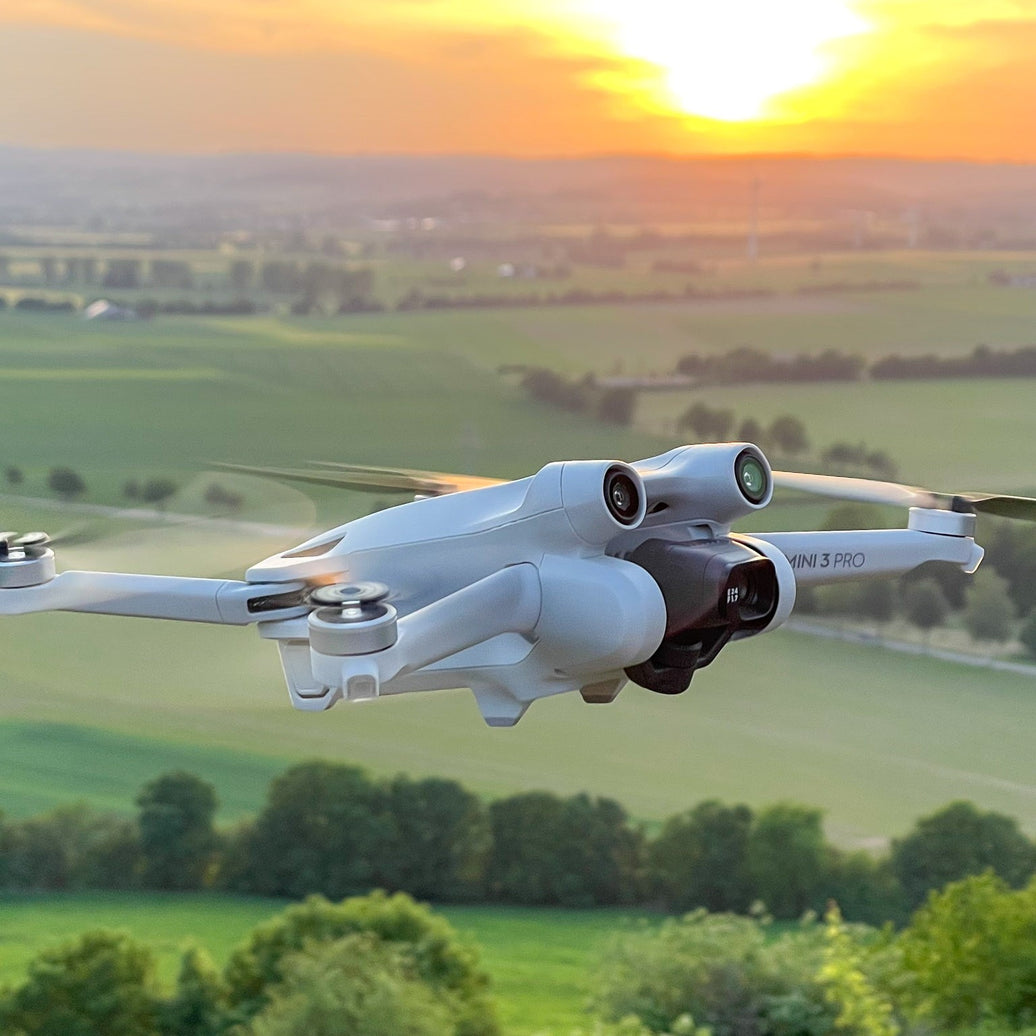
Can I use a tripod or a drone in KL? Rules vary by location, and many places have restrictions. Check each site's rules, and look up current Malaysian drone regulations before flying.
The Takeaway
Kuala Lumpur gives photographers an endless range of subjects, from glowing towers to colorful temples to busy night markets. Time your shoots around sunrise and sunset, plan for the afternoon rain, and take good care of your gear. Humidity is the quiet enemy, and a good storage routine is what keeps your camera ready for the next walk.
Protect your camera gear from Malaysia's humidity. See our dry cabinet collection →