

Malaysia is warm and humid all year, but the monsoon seasons make it worse. Rain falls for days, the air stays heavy and damp, and cameras and lenses that seemed fine a month ago can suddenly develop a musty smell, hazy glass, or fogging that won't clear.
If you shoot in Malaysia, understanding what the humidity is doing to your gear helps you protect it before the damage becomes expensive.
Why Malaysia Is Hard on Camera Gear
High Humidity All Year, and Even Higher in the Rainy Season
Malaysia sits near the equator, so humidity is high throughout the year, and it rises further during the wet periods. The Northeast monsoon, which typically runs from around November to March, brings heavy and prolonged rain, especially to the east coast of Peninsular Malaysia. Other parts of the country have their own wetter periods, and the exact timing varies by region and year, so check local forecasts for where you shoot.
Camera gear is sensitive to humidity above roughly 60%, and for much of the monsoon season, the air in Malaysia stays well above that.
Warm Temperatures Speed Everything Up
Warmth makes moisture problems worse. Fungus grows faster in warm conditions, and warm air can hold more moisture, which means more water in the air around your gear.
What Humidity Actually Does to Your Gear
1. Lens Fungus
Fungus spores are everywhere. Inside a lens, they can settle on a thin layer of dust or fingerprint oil on the glass, and with enough humidity and time, they grow in branching, web-like patterns. Early fungus may only show as slight haze or a musty smell. Left alone, it can permanently etch the lens coating. Our post on why a DSLR smells musty after sitting unused explains this in more detail.
2. Condensation and Fogging
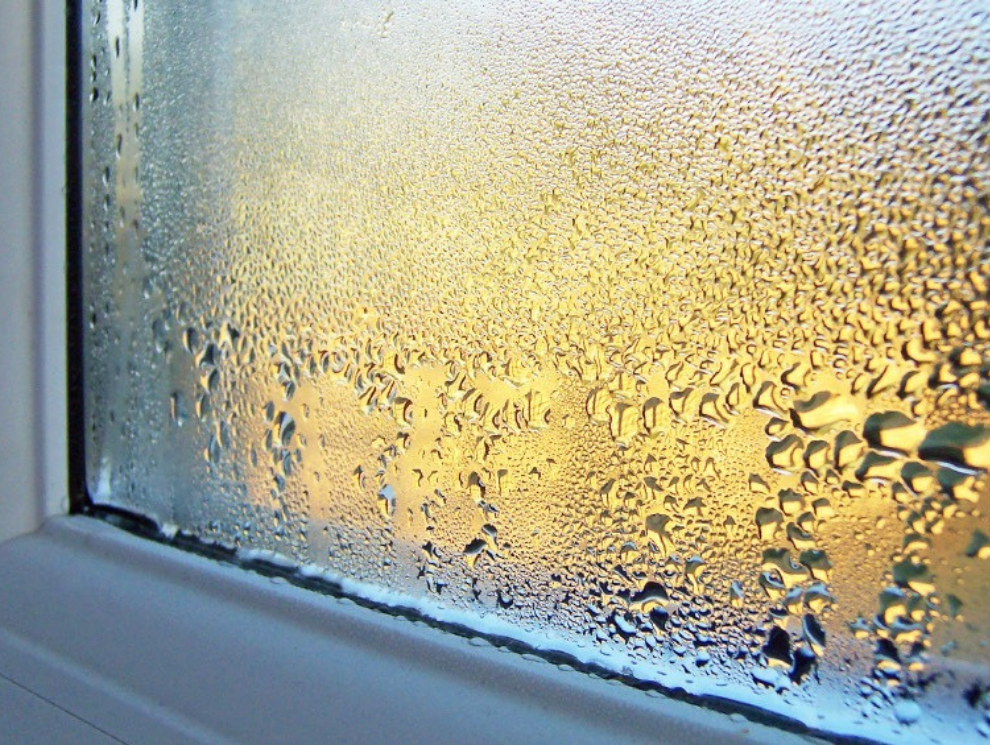
This is one of the most common problems in Malaysia. Moving a cold camera, such as one that has been in an air-conditioned room, into hot, humid outdoor air makes moisture condense on and inside the lens, the viewfinder, and sometimes the sensor area. The result is fogged glass and, in some cases, moisture inside the gear.
3. Corrosion and Electronics Problems
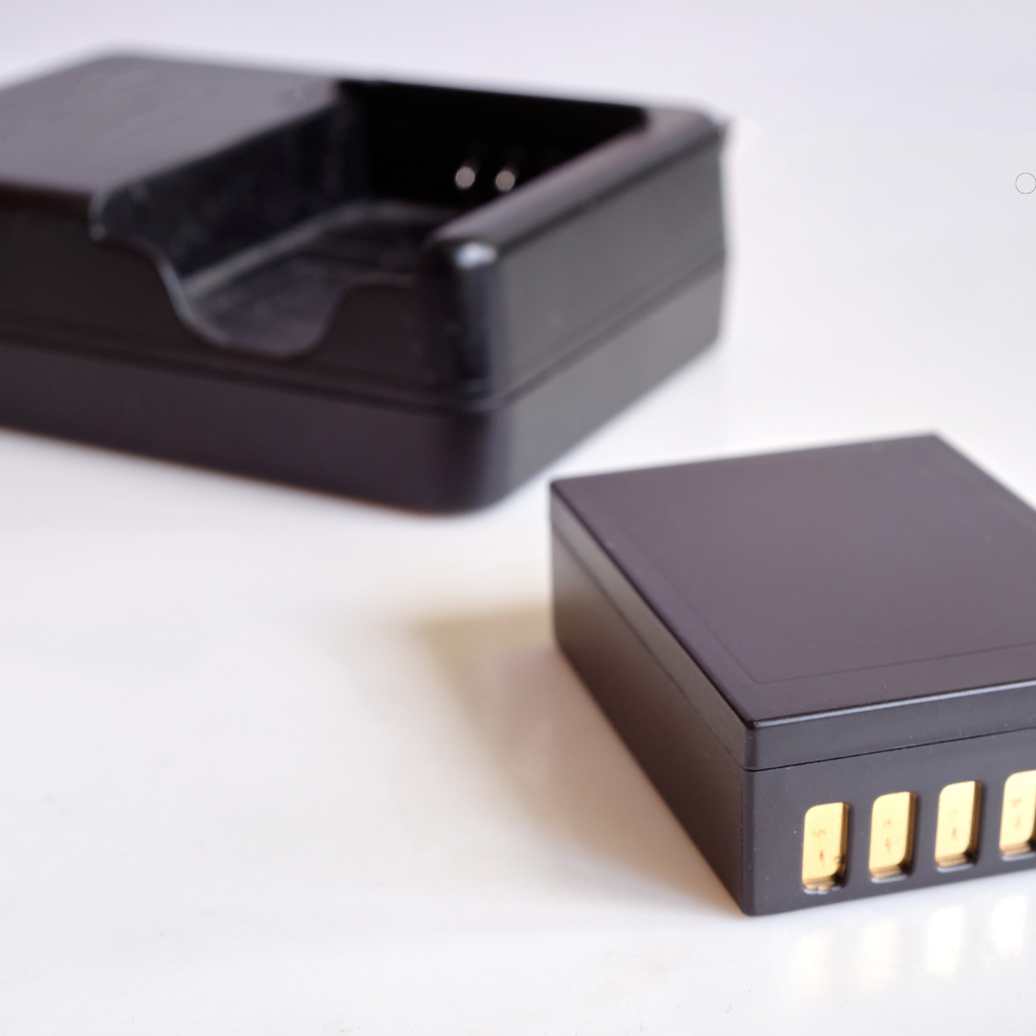
Moisture can corrode metal contacts on batteries, lens mounts, and memory card slots. Over time, this can cause intermittent faults, like error messages or a battery that stops working. Gear used near the coast, especially on the east coast beaches, also faces salt in the air, which makes corrosion worse.
4. Degraded Rubber, Foam, and Grips
Humidity and heat break down the rubber grips, foam seals, and padding on cameras and bags. They can turn sticky or crumbly, and they can grow mold, which adds to the musty smell.
5. Mold on Bags and Accessories
Camera bags, straps, and cases made of fabric or leather are prone to mold in damp conditions, and they can pass it on to the gear stored inside.
How to Protect Your Camera Gear During the Monsoon
Storage
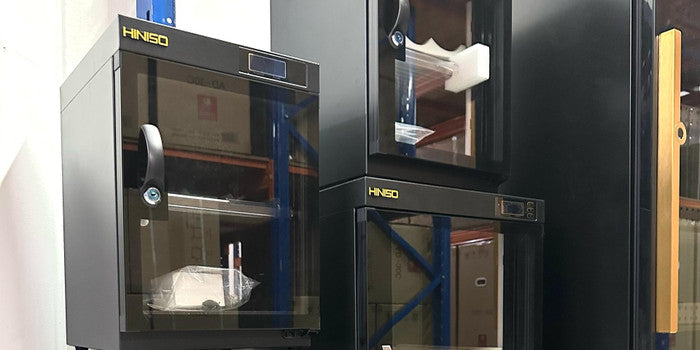
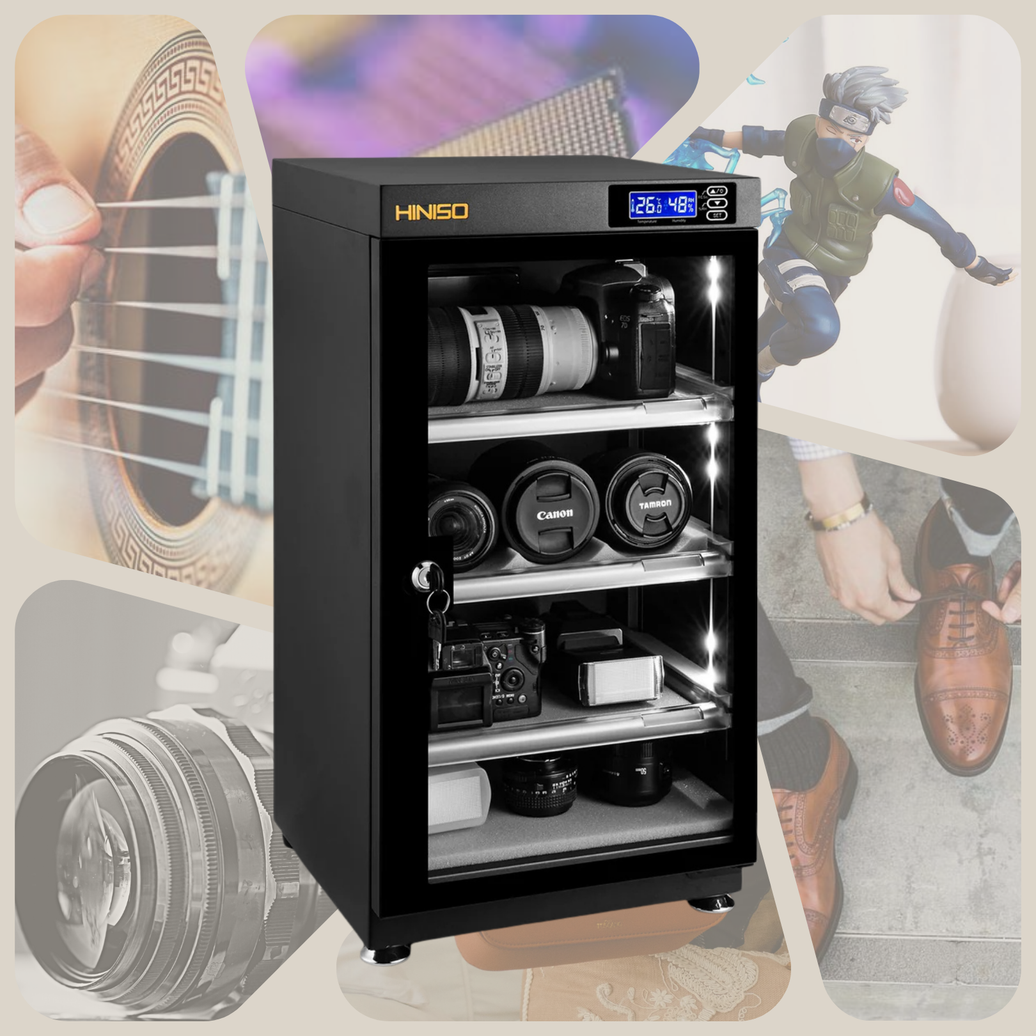
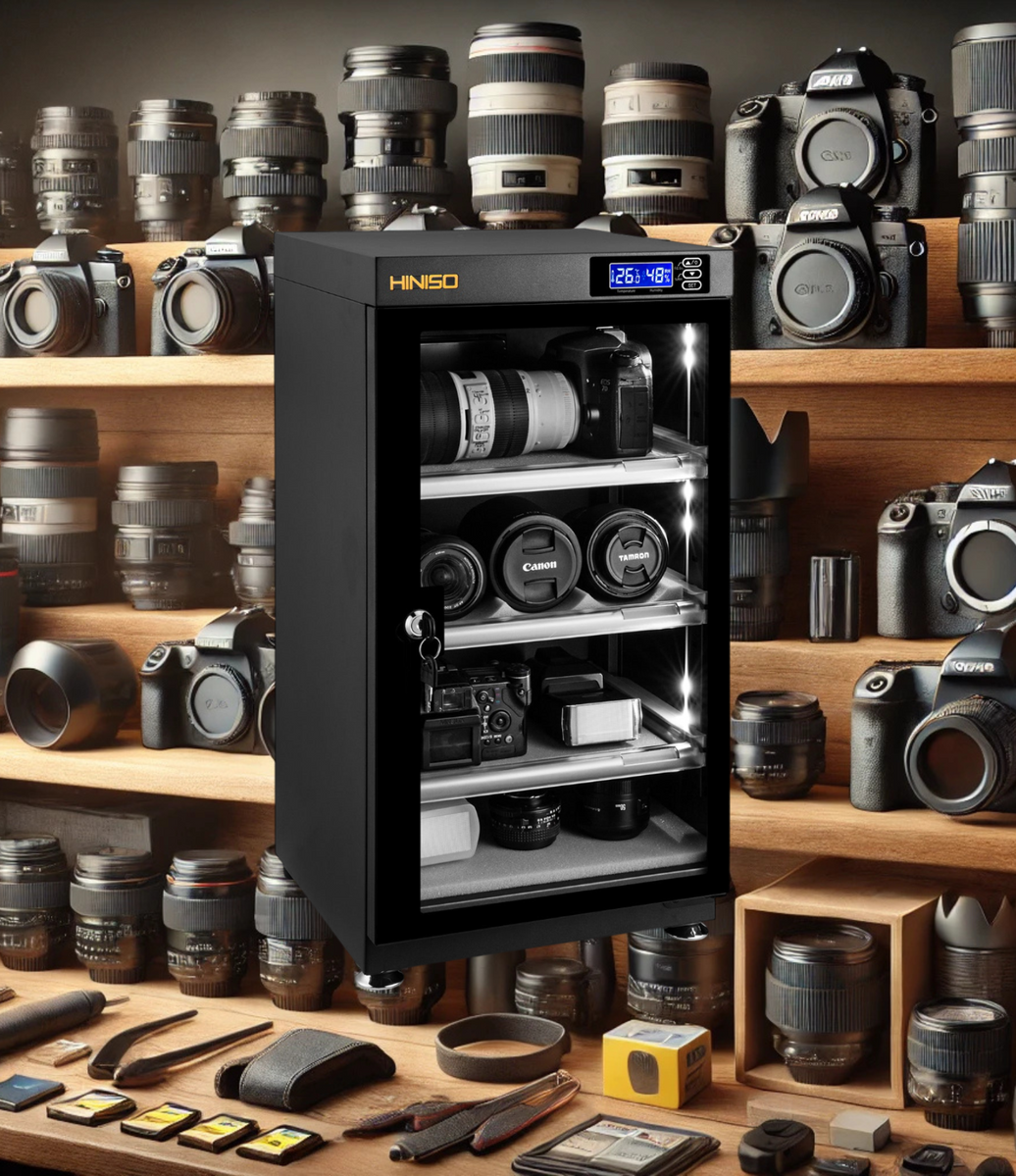
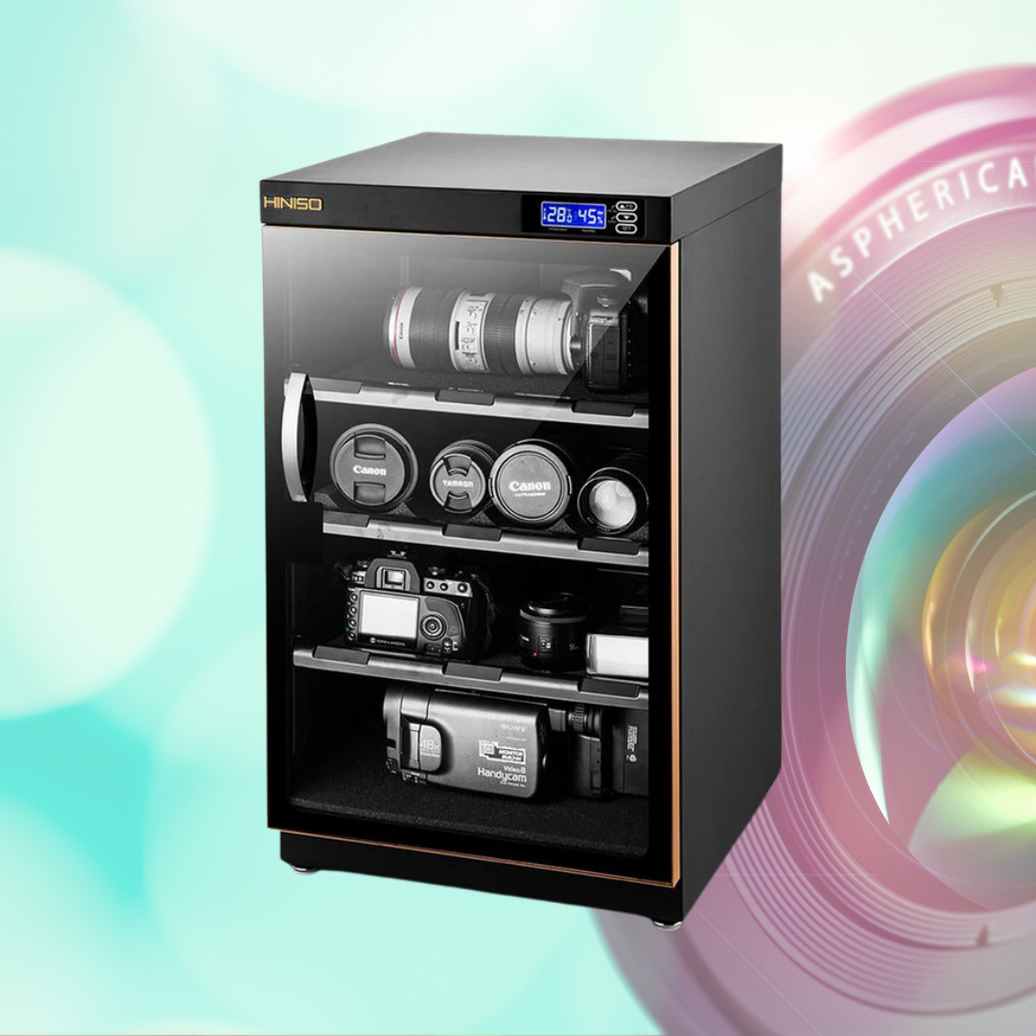
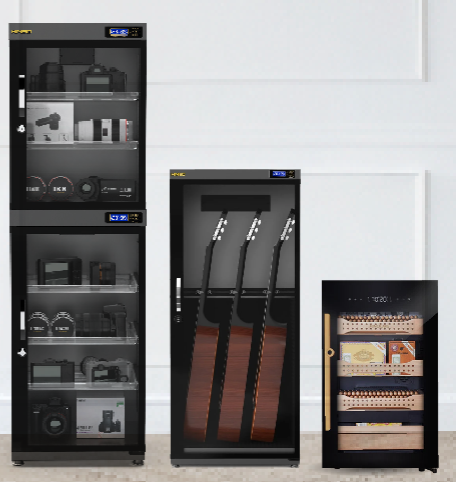
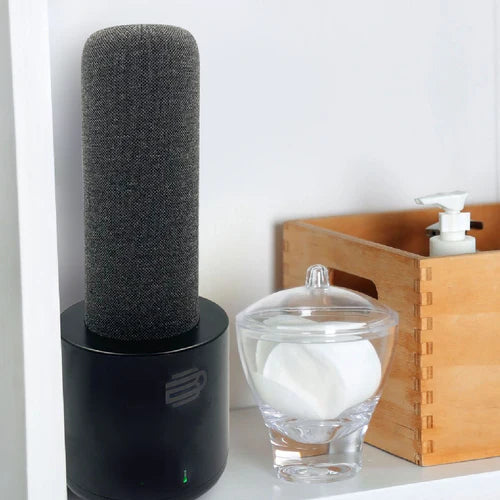
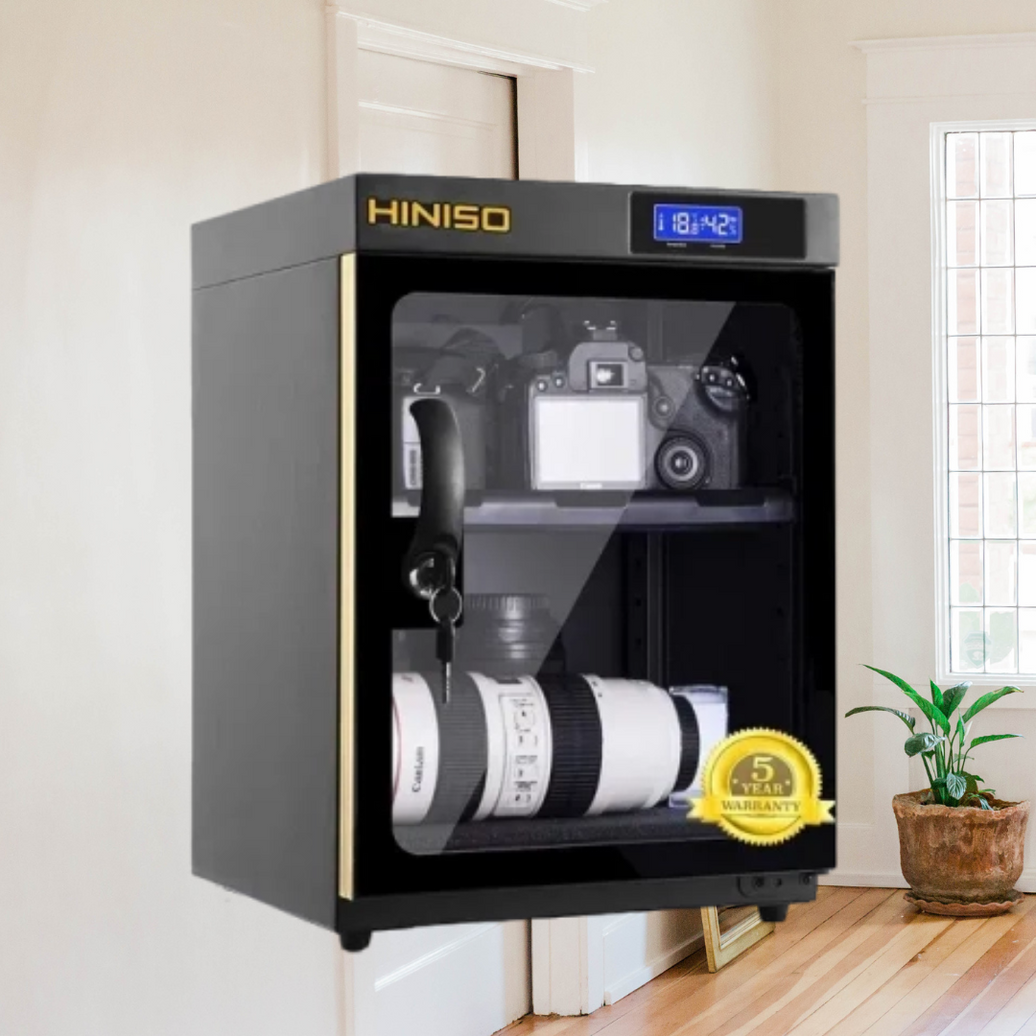
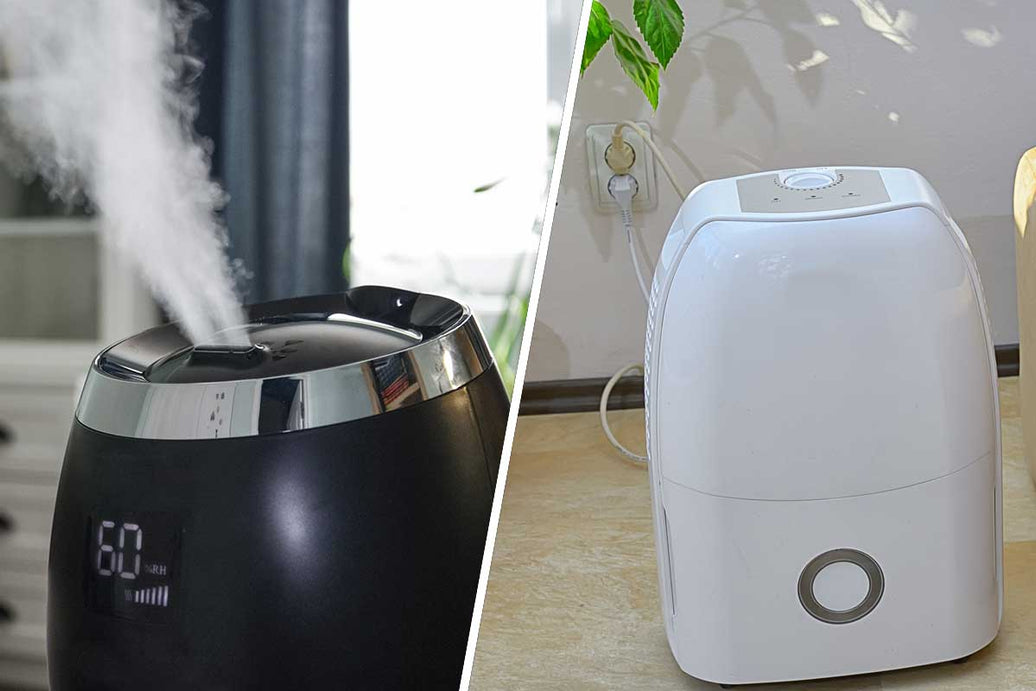
- Use a dry cabinet. A dehumidified cabinet keeps gear at a steady, low humidity, usually recommended at around 40% to 50%. In Malaysia's climate, this is the most reliable long-term solution. Our guide on whether you need a dry cabinet if you only own one camera explains when it's worth it.
- If you don't have one, store gear in an airtight box with fresh silica gel, and replace or recharge the silica gel regularly.
- Don't store gear in a damp bag. Empty and air out camera bags after every shoot.
- Keep gear away from damp areas, like storage rooms, rooms with leaks, and spots near bathrooms.
On the Shoot
- Let the camera adjust slowly when moving between air-conditioned spaces and the outdoors. Keep it in a closed bag for 15 to 30 minutes, so condensation forms on the bag instead of the gear.
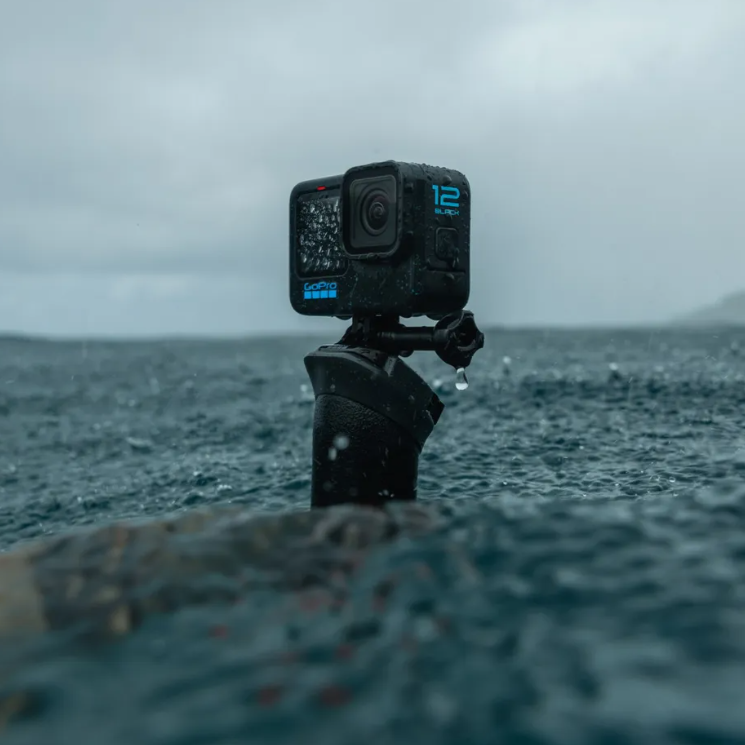
- Use a rain cover when shooting in the rain. A weather-sealed camera is resistant to rain, not waterproof, and the seals can wear down over time.
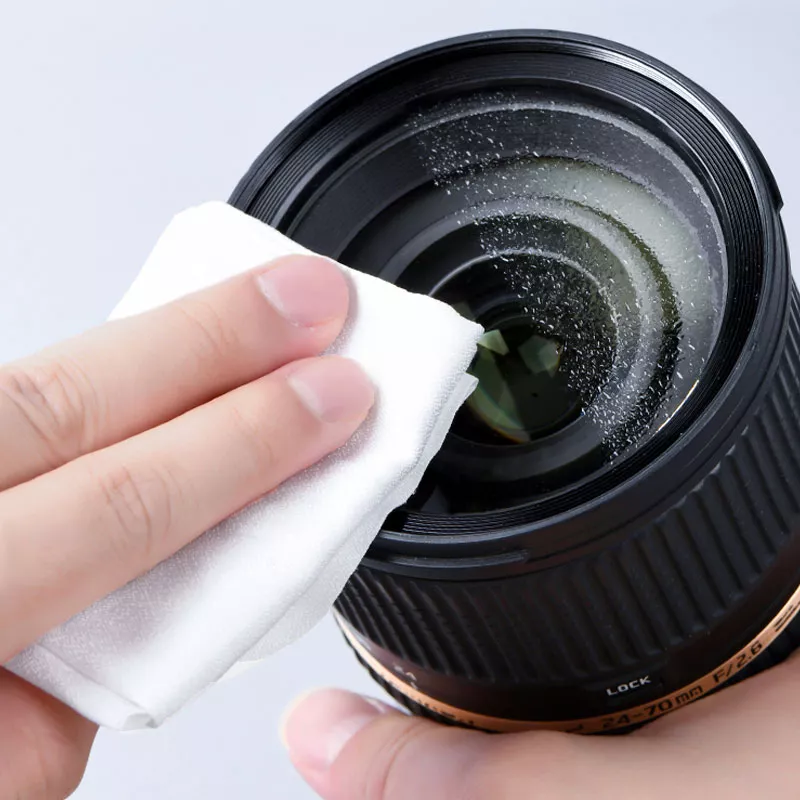
- Carry a microfiber cloth to wipe the body and lens between shots.
- Avoid changing lenses in wet or very humid conditions. If you must, do it quickly and in a sheltered spot.
After the Shoot
- Wipe down the camera and lenses with a dry, clean cloth.
- Let everything dry fully in a well-ventilated space before packing it away. Packing damp gear into a closed bag is how mold gets started.
- Remove batteries and memory cards if you won't be using the camera for a while.
- Use the gear regularly. Taking it out and using it, even briefly, helps keep moisture from sitting still.
What to Do If You Spot Fungus or Fogging
- For fogging, move the camera to a dry, ventilated place, open the battery door and card slot, and leave it to dry for several hours before using it. Don't use a hair dryer, which can damage parts.
- For fungus or a musty smell, stop storing the affected lens with other gear, and take it to a professional repair service. Fungus caught early can often be cleaned. Fungus left for months may permanently damage the lens coating.
Frequently Asked Questions
Why does humidity damage camera gear? Moisture feeds fungus growth inside lenses, causes condensation, corrodes metal contacts, and breaks down rubber and foam parts.
When is the monsoon season in Malaysia? Peninsular Malaysia's Northeast monsoon typically runs from around November to March, with the heaviest rain on the east coast. Timing varies by region and year, so check local forecasts.
What humidity level is safe for camera gear? Most photography guidance suggests keeping gear at around 40% to 50% relative humidity, and avoiding long periods above about 60%.
Is silica gel enough in Malaysia? It can work for short periods, but it saturates quickly in humid conditions and needs regular replacement. A dry cabinet is more reliable for long-term storage.
Will weather-sealed gear survive the monsoon? Weather sealing helps against rain and splashes, but it doesn't protect against long-term humidity or full submersion, so you still need good storage habits.
The Takeaway
Malaysia's monsoon season combines heavy rain, constant humidity, and warm temperatures, which is a difficult mix for camera gear. The main risks are lens fungus, condensation, corrosion, and degraded rubber parts, and most of them can be prevented. Store your gear dry, let it adjust to temperature changes, dry it after every shoot, and act quickly at the first sign of fungus.
Protect your gear all year round. See our dry cabinet collection →