

If you've ever looked up a replacement battery for your camera and choked on the price of the genuine one, you've probably also seen a Wasabi Power version at a third of the cost. Here's what actually differs, what doesn't, and how to buy the right one.
Why OEM camera batteries cost so much
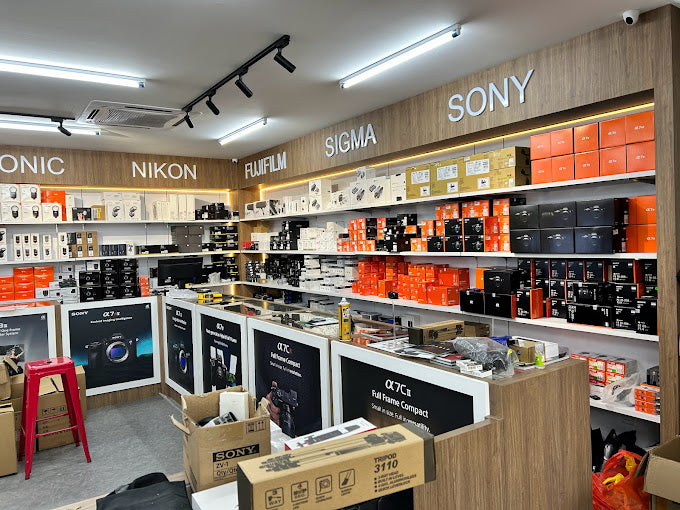
Original manufacturer batteries — Canon, Sony, Nikon, Fujifilm, Olympus — are priced as accessories rather than commodity parts, often RM250–450 for a single cell. Third-party brands like Wasabi Power make functionally equivalent batteries at a fraction of that cost, largely because they aren't carrying a camera brand's margin or R&D overhead — the underlying lithium-ion cell technology is broadly similar across the industry.
What "decoded" actually means (and why it matters)
The single most important thing to check before buying any third-party battery is whether it's fully decoded. Modern camera batteries contain a small chip that communicates with the camera body — reporting charge percentage, remaining shots, and battery health on your screen. A cheap, non-decoded battery will often work for power, but the camera won't recognise it properly: no percentage readout, sometimes a "cannot verify this battery" warning, or in some cases the camera refusing to use it in certain modes.
A properly decoded third-party battery — which is what reputable brands like Wasabi Power specifically engineer for — solves this: the camera reads it exactly as it would an OEM battery, full percentage display included. This is worth confirming in the product listing before buying, since decoding varies model to model even within the same brand.
Are they actually safe?
This is the most common hesitation, and it's a reasonable one — lithium-ion batteries carry real fire and swelling risks if poorly made. The honest picture from long-term users: well-established third-party brands with a track record (Wasabi Power among the most frequently cited) are generally considered safe and reliable when bought from an authorised reseller, with most complaints centred on shorter cycle life or occasional swelling after extended heavy use — not fires or safety incidents. The risk profile is meaningfully worse with unbranded, ultra-cheap batteries from unverified marketplace sellers, which is a different category entirely from an established brand backed by a manufacturer warranty.
A few habits reduce risk regardless of brand:
- Buy from an authorised retailer rather than the cheapest unbranded listing you can find.
- Don't leave batteries charging unattended overnight, especially with off-brand chargers.
- Retire a battery that starts swelling — a bulging battery is a genuine safety signal, not just cosmetic wear.
- Use the battery's matching charger where possible, since some chargers only support two-terminal (power-only) charging rather than the four-terminal logic-controlled charging some cameras expect.
Where third-party batteries make the most sense
- Backup and travel batteries. If you're carrying 3–4 spares for a full day of shooting, paying OEM price for each one adds up fast — this is where the savings are most obviously worth it.
- Older or discontinued camera models, where OEM batteries may be harder to find or have been discontinued entirely.
- High-drain use cases (video recording, burst shooting, cold weather), where having more spares on hand matters more than squeezing maximum cycle life out of a single premium cell.
Where OEM might still be worth the premium
- Your primary, only battery for a professional shoot where a failure has real consequences.
- Very high-cycle professional use over years, where OEM cells are generally reported to hold up slightly longer under sustained heavy cycling.
- Cameras known to be picky about third-party batteries — worth a quick search for your specific model before buying, since compatibility quirks do vary by camera generation.
Popular batteries and kits
DryBox MY carries Wasabi Power batteries, chargers, and kits across most major camera brands — including popular current-generation options like:
- Sony NP-FZ100 — for Sony's A7 and A9 series
- Canon LP-E6NH — for Canon's R-series mirrorless bodies
- Nikon EN-EL15 — for Nikon's Z and D-series cameras
- Fujifilm NP-W235 — for Fujifilm's X-T4 and newer bodies
- Olympus BLX-1 — for OM System's OM-1 and newer
- Full Wasabi Power range — battery and charger kits across Canon, Sony, Nikon, Fujifilm, Olympus, Leica, and DJI
While you're at it: keep your batteries — and camera gear — dry
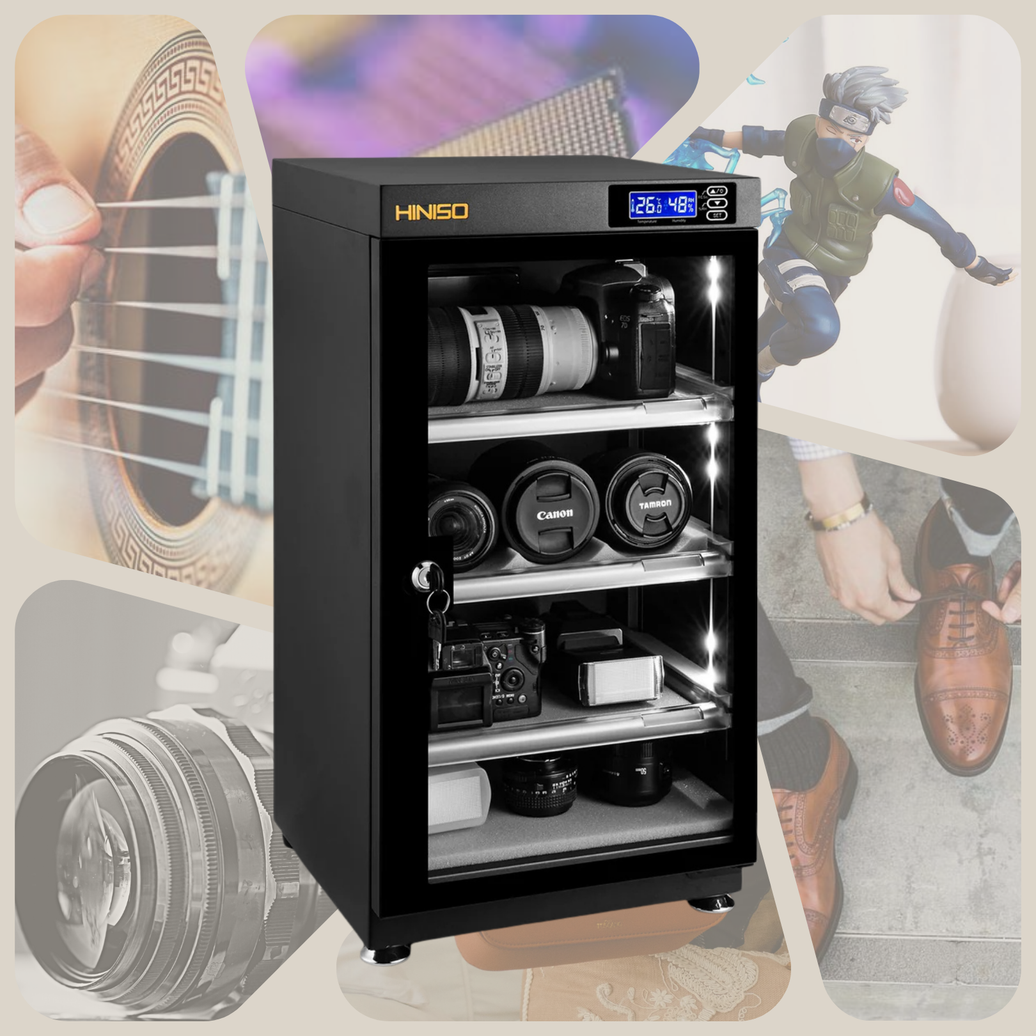
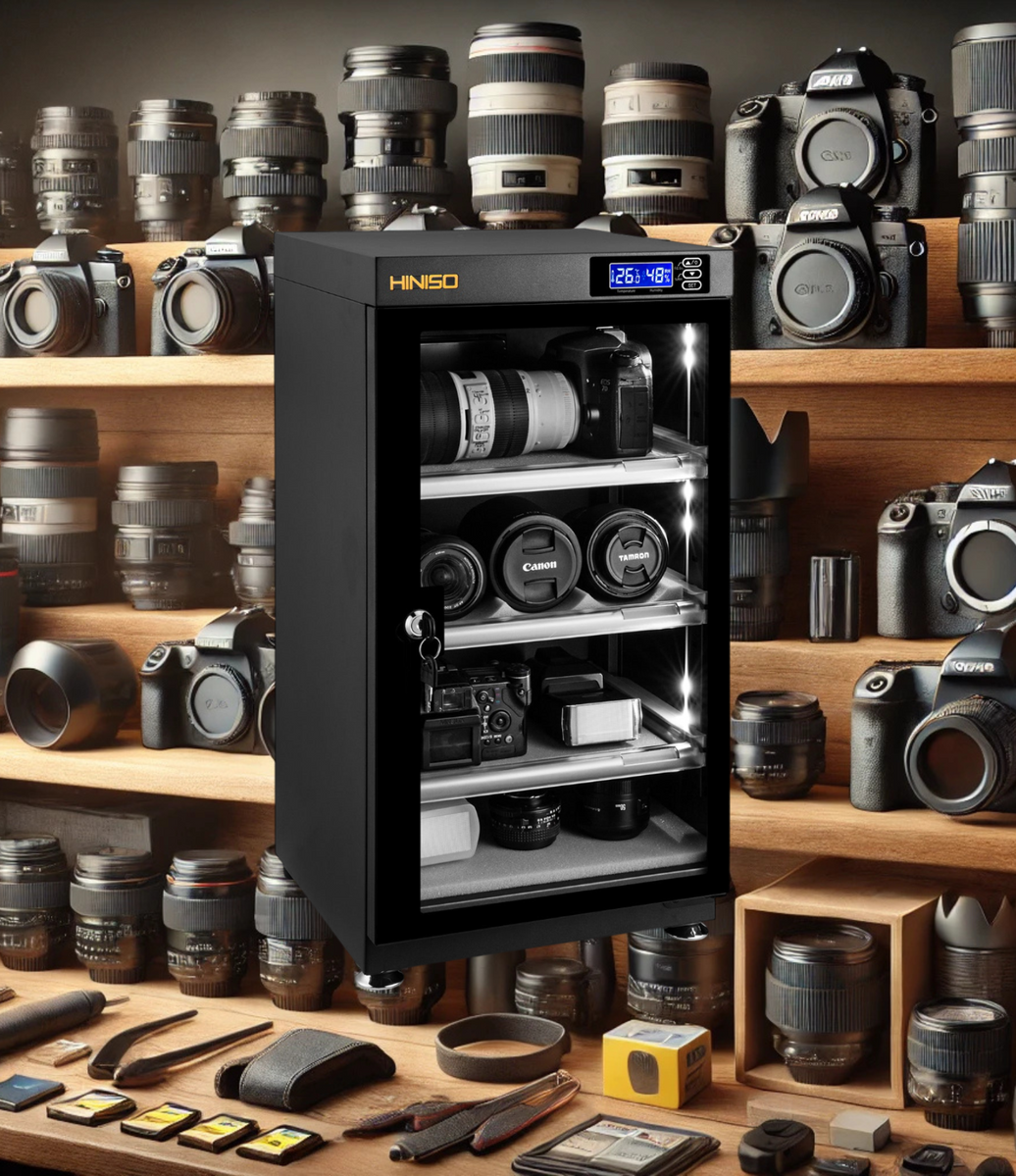
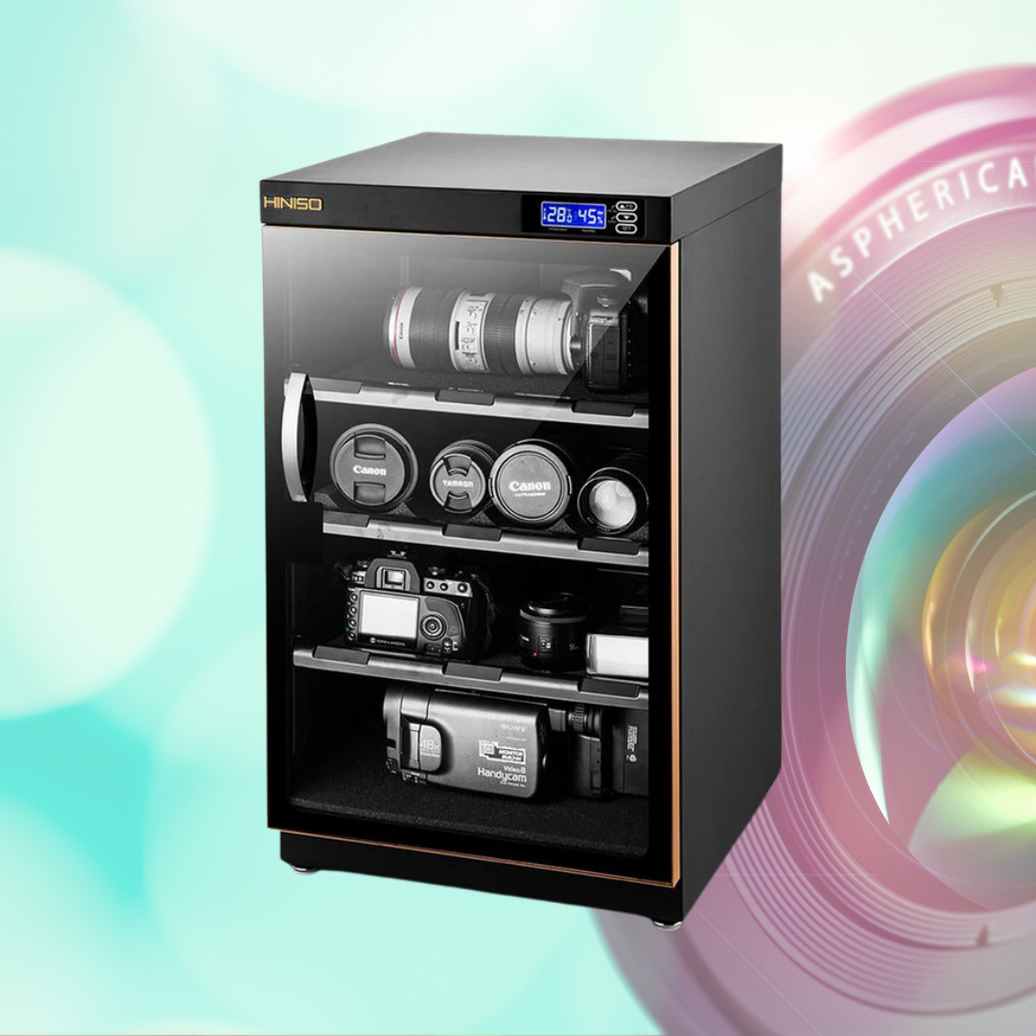
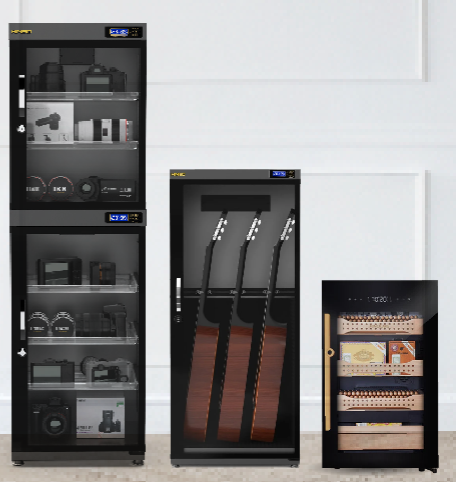
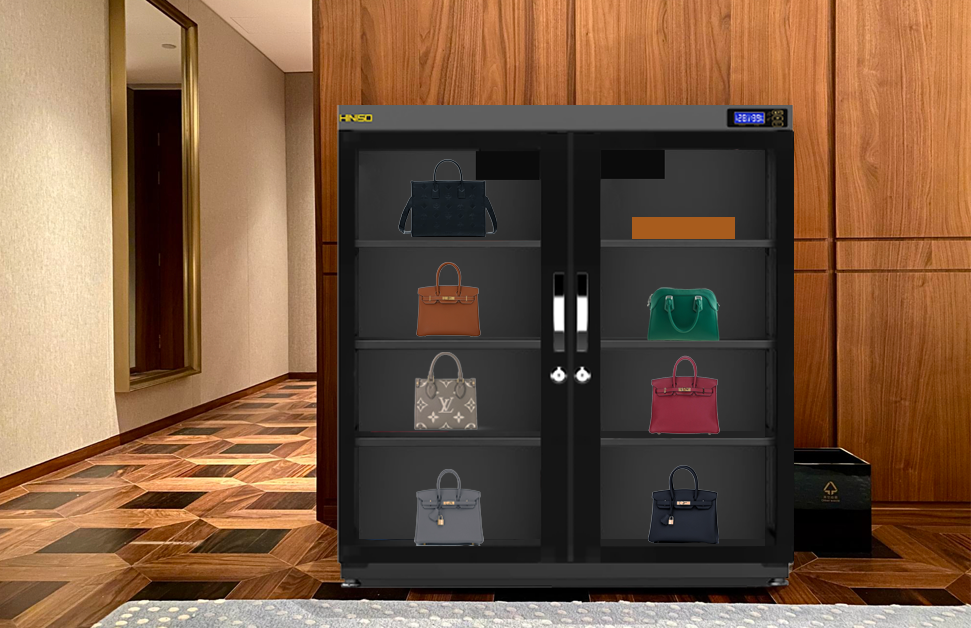
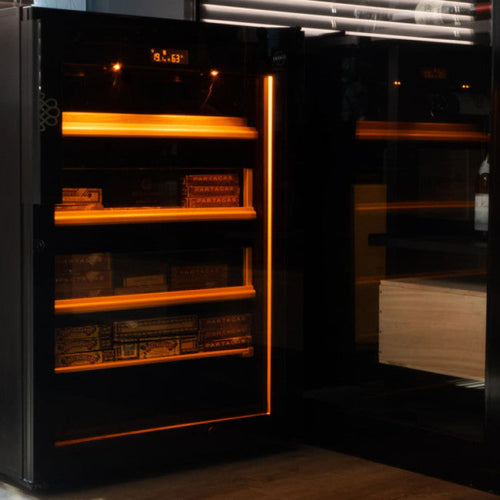
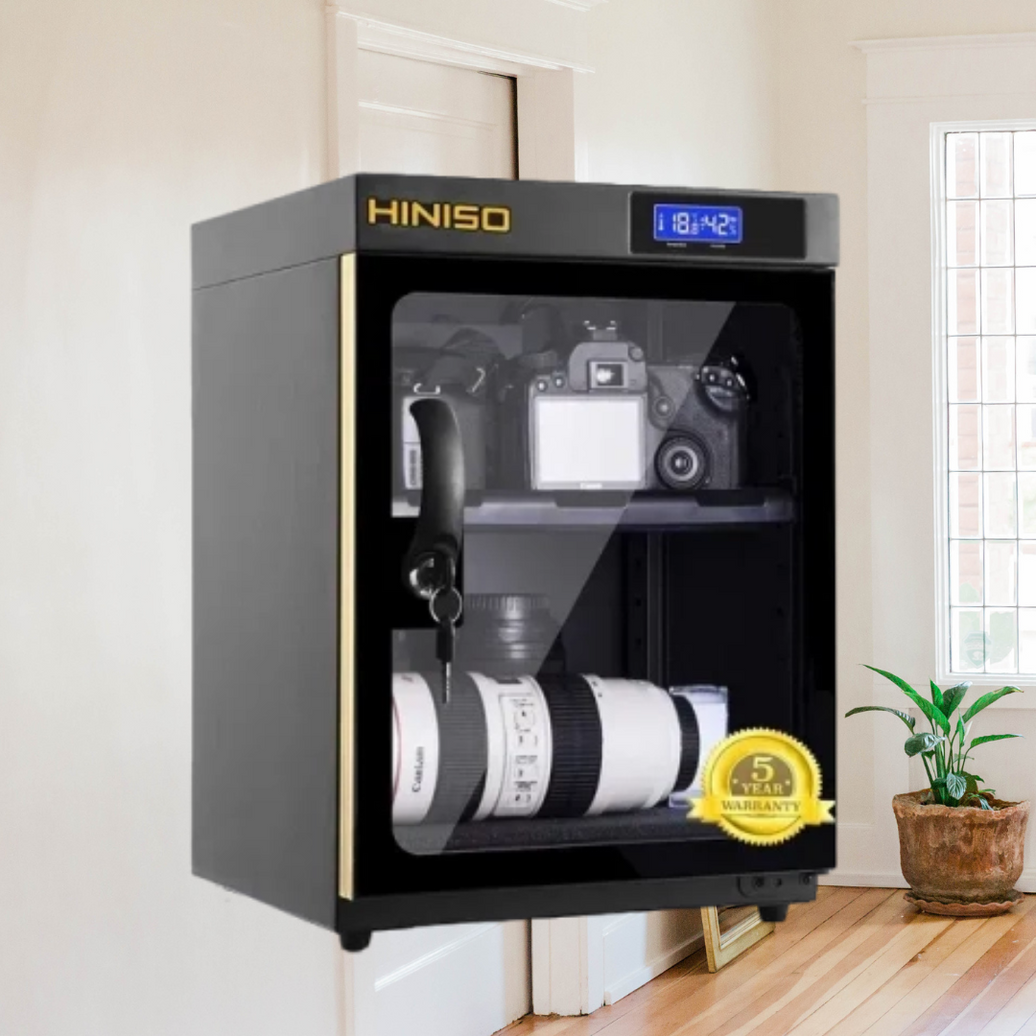
Camera gear is another area where Malaysia's humidity does real, ongoing damage — not just to lenses and camera bodies through fungus growth, but to battery contacts and electronics through corrosion over time. If your camera collection doesn't already live in a dry cabinet, it's worth pairing new batteries with proper humidity-controlled storage rather than leaving gear in a regular cupboard or drawer.
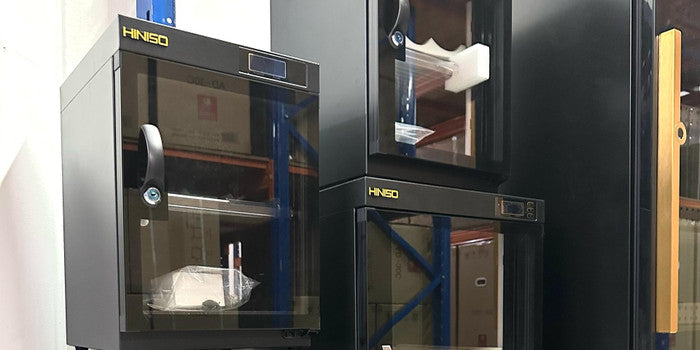
- Consumer dry cabinets — for cameras, lenses, and accessories