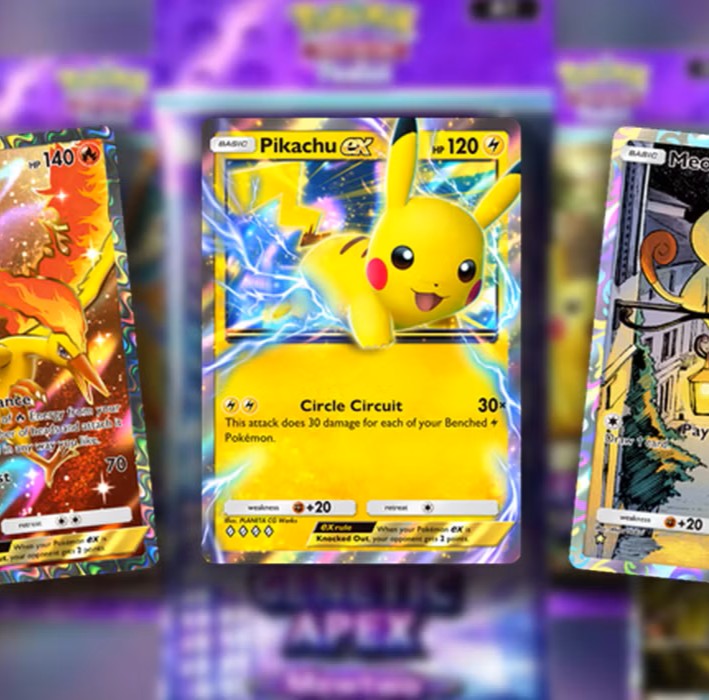



Malaysia has a growing community of Pokémon card collectors, from casual fans to people building serious collections. But if you've ever opened a drawer and found cards that smell musty or have started to curl, you know the climate is working against you.
Heat, humidity, and the monsoon season make Malaysia one of the tougher places to keep paper collectibles in good condition. Here's how to protect valuable cards in a Malaysian home.
Why Malaysia's Climate Is Hard on Cards

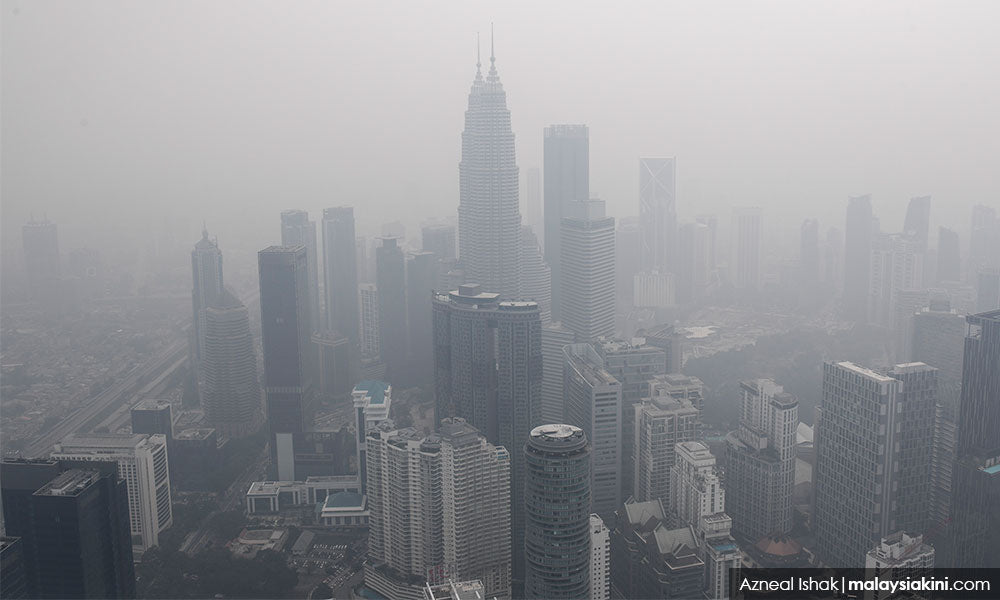
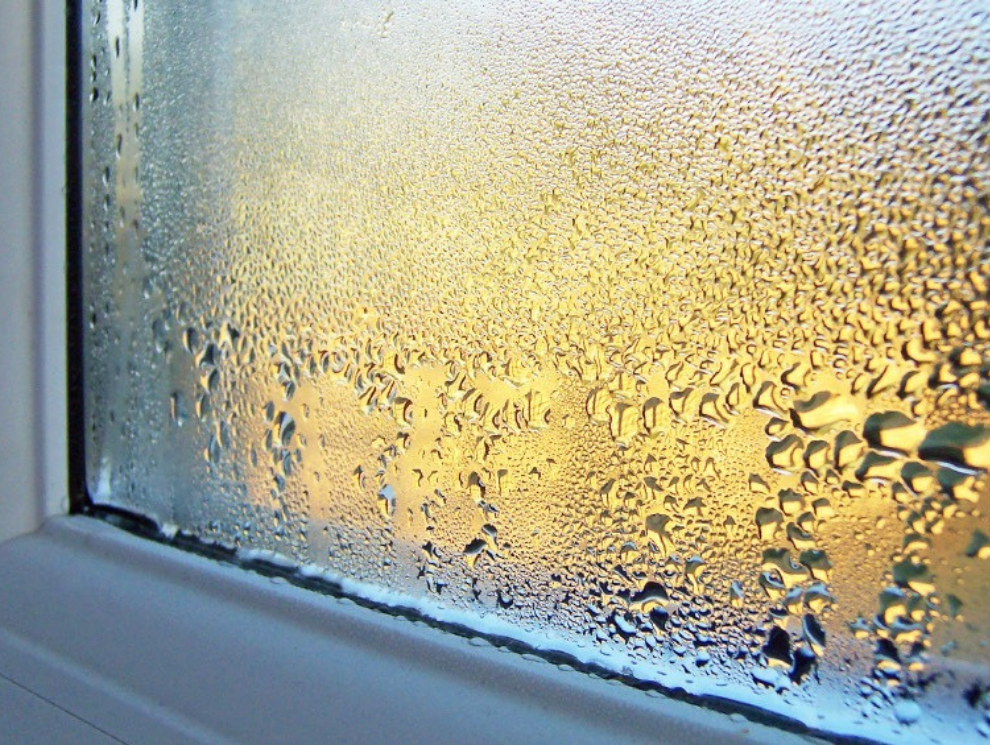
Malaysia is warm and humid all year, and humidity rises further during the rainy periods. Cards are paper and cardstock, so they soak up moisture from the air, and most collectors aim for roughly 40% to 50% relative humidity. In much of Malaysia, indoor humidity can sit well above that for long stretches.
When that happens, cards can warp or curl, stick to sleeves, develop cloudy surfaces, or grow mold. Sealed boxes and packs aren't immune either, since cardboard absorbs moisture too.
Malaysia-Specific Storage Challenges
The Monsoon Season

Peninsular Malaysia's Northeast monsoon typically runs from around November to March, with the heaviest rain on the east coast, and other regions have wet periods of their own. During these months, the air stays damp for days, and cards that were fine in the drier months can start to show problems. Timing varies by region and year, so check local forecasts. Our post on why monsoon humidity damages camera gear in Malaysia explains the same effect for cameras.
Heat as Well as Humidity

Malaysia's high temperatures speed up damage. Warm air holds more moisture, and heat accelerates mold growth and the breakdown of materials. Cards left in a hot room, a car, or near a sunny window are at greater risk.
Air Conditioning That Isn't Always On

Many households run the air conditioning only in certain rooms or at certain times. When it's off, humidity climbs back up, and the repeated swing moves moisture in and out of the cards. This is hard on valuable cards over the long term.
Houses, Condos, and Storage Spots

Whether you live in a terrace house, a condo, or a landed property, the same rule applies: cards stored in closed closets, storage rooms, or under the bed sit in still, humid air. Rooms against exterior walls, and anywhere with leaks or poor ventilation, are the riskiest.
Coastal Areas

If you live near the coast, salty air can add to corrosion and dampness, which is hard on metal parts of storage gear, like cabinet latches or hinges, as well as on paper.
The Best Setup for Malaysia
Use a Dry Cabinet

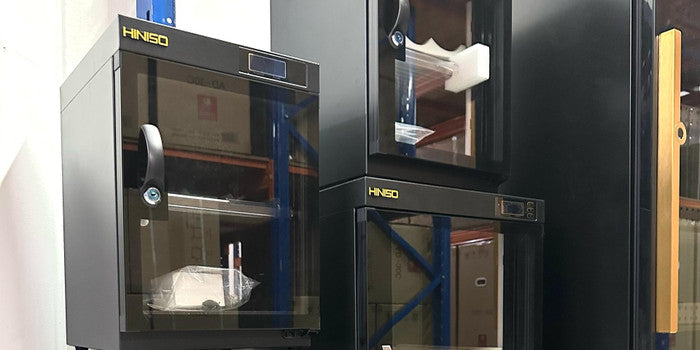
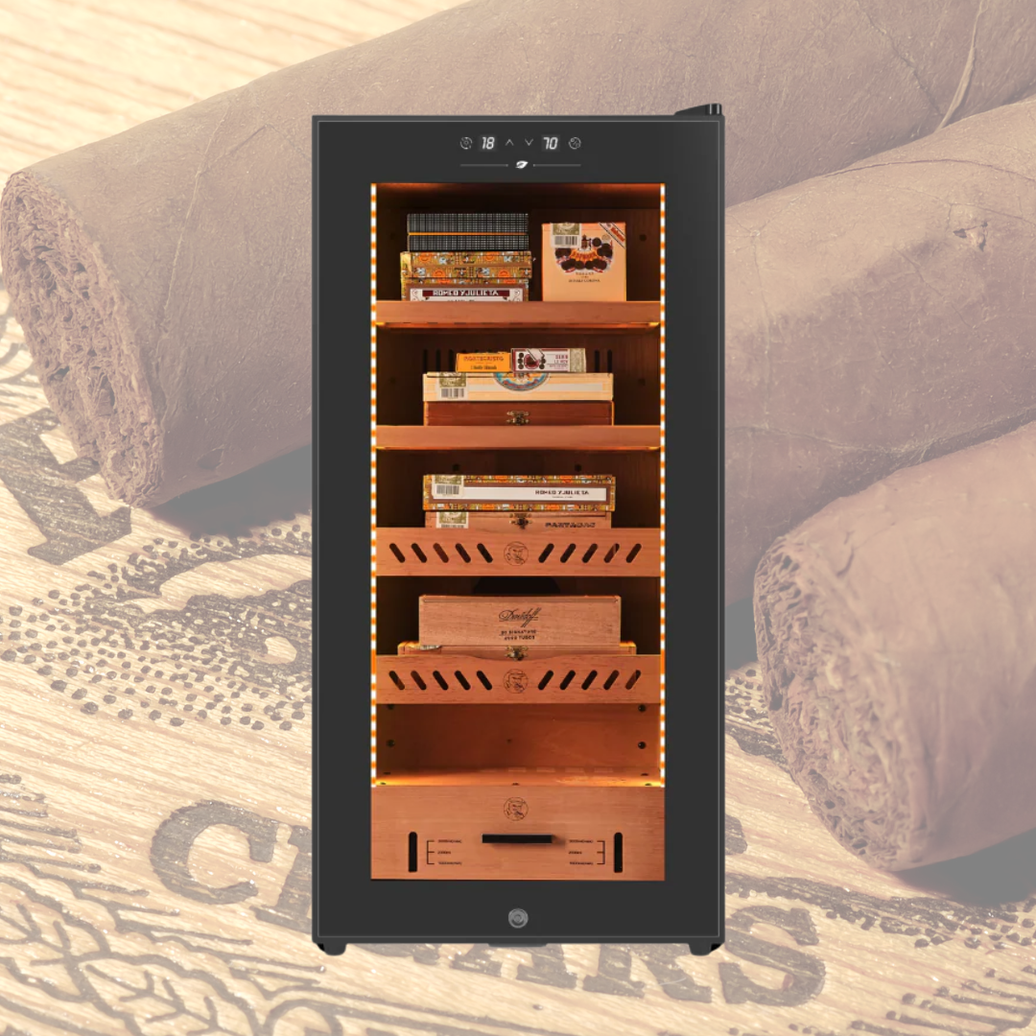
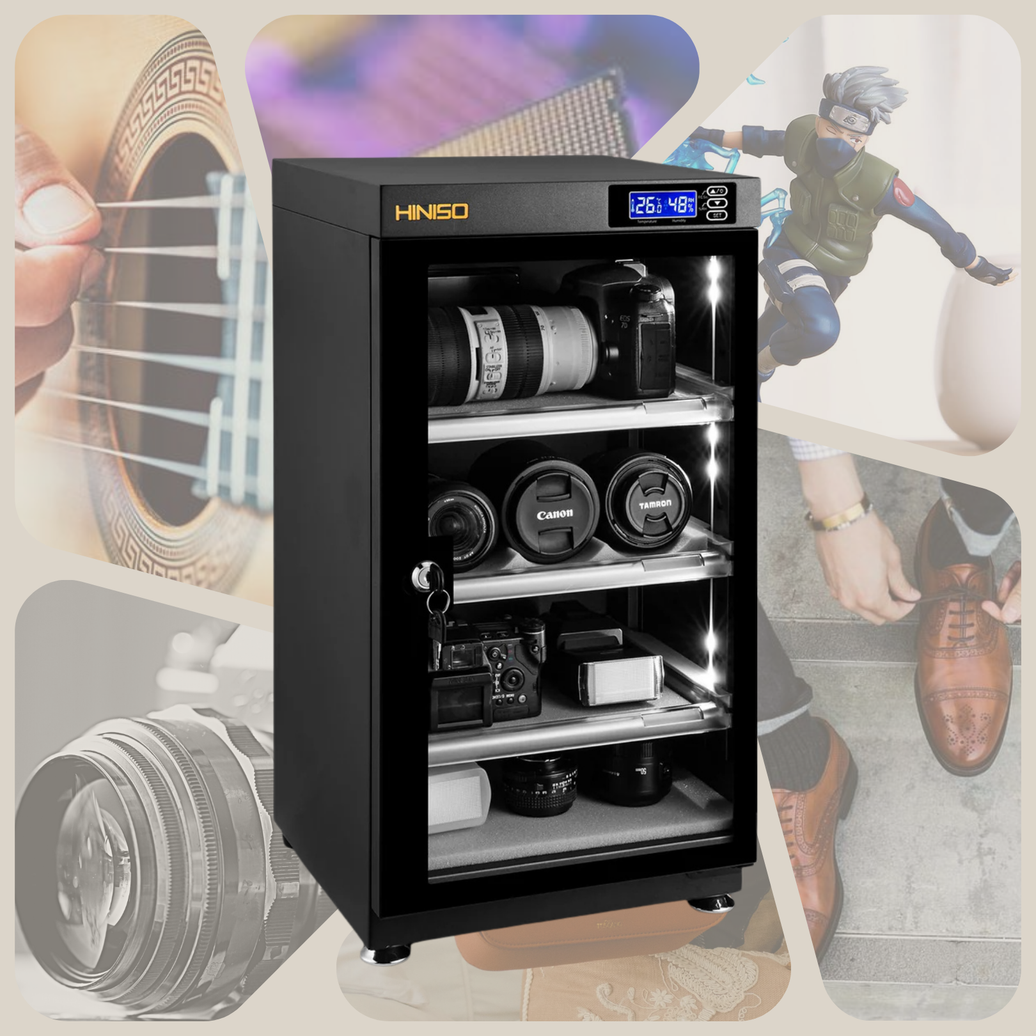
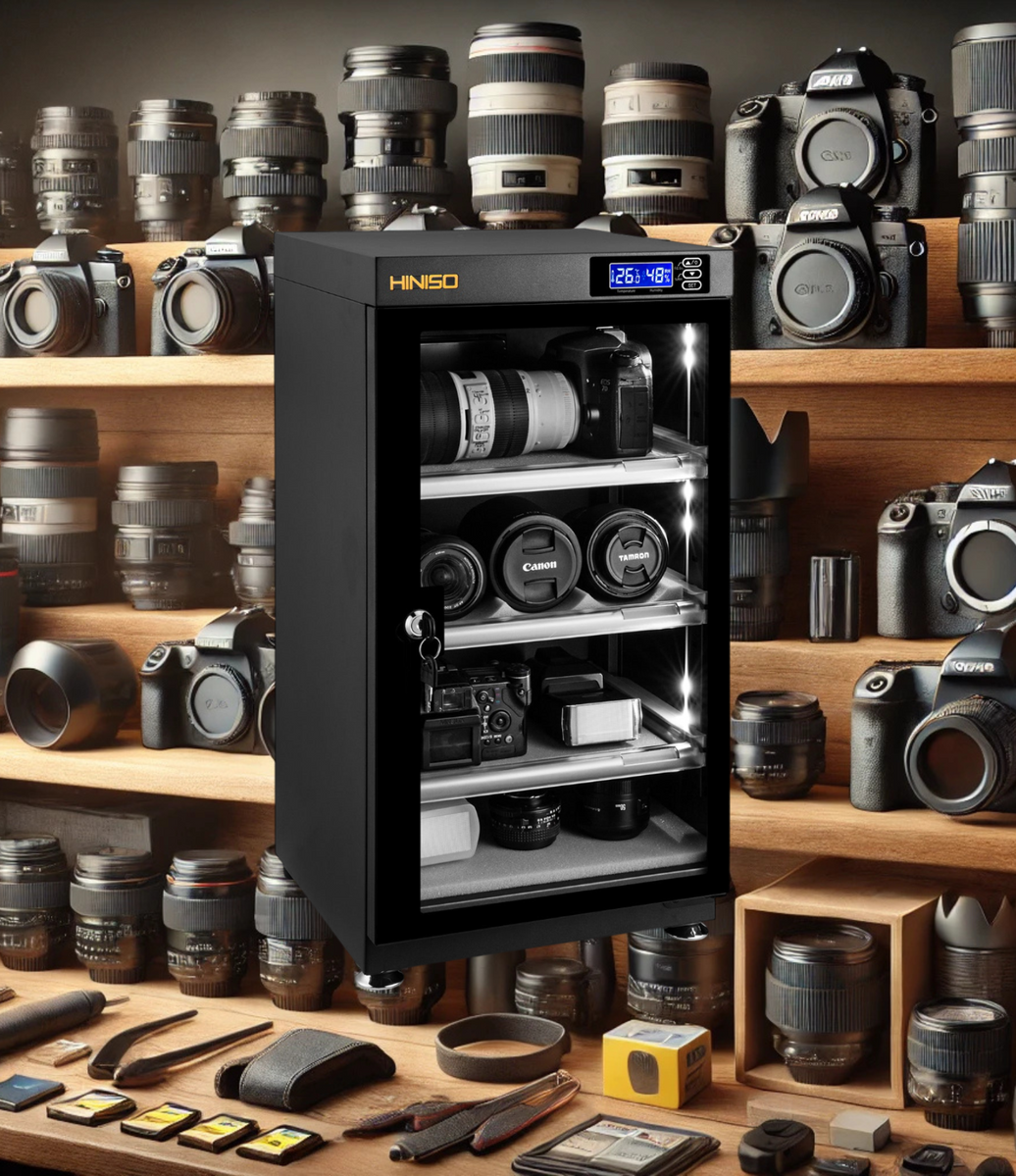
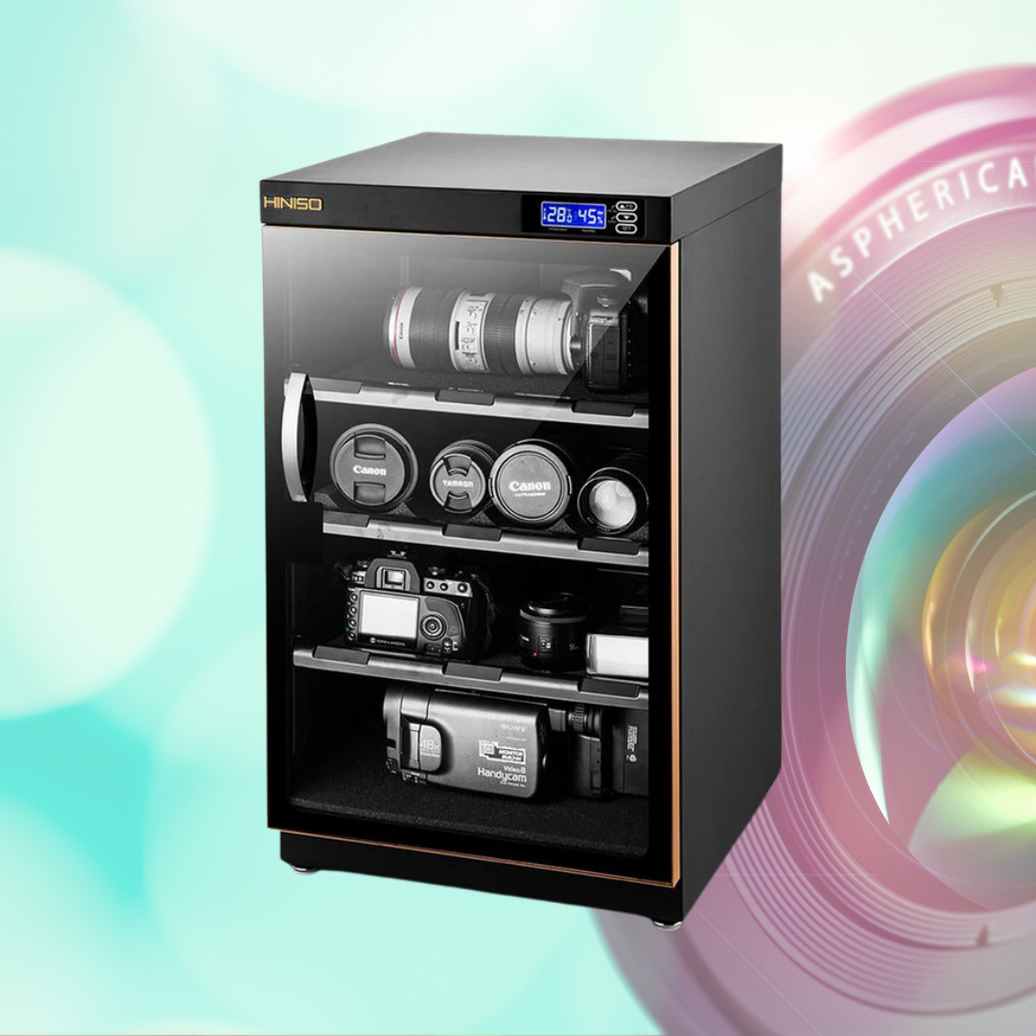
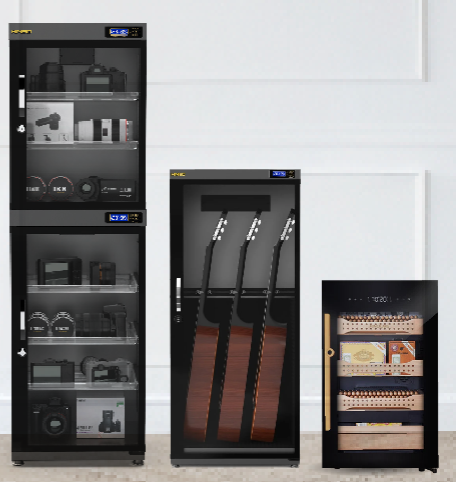
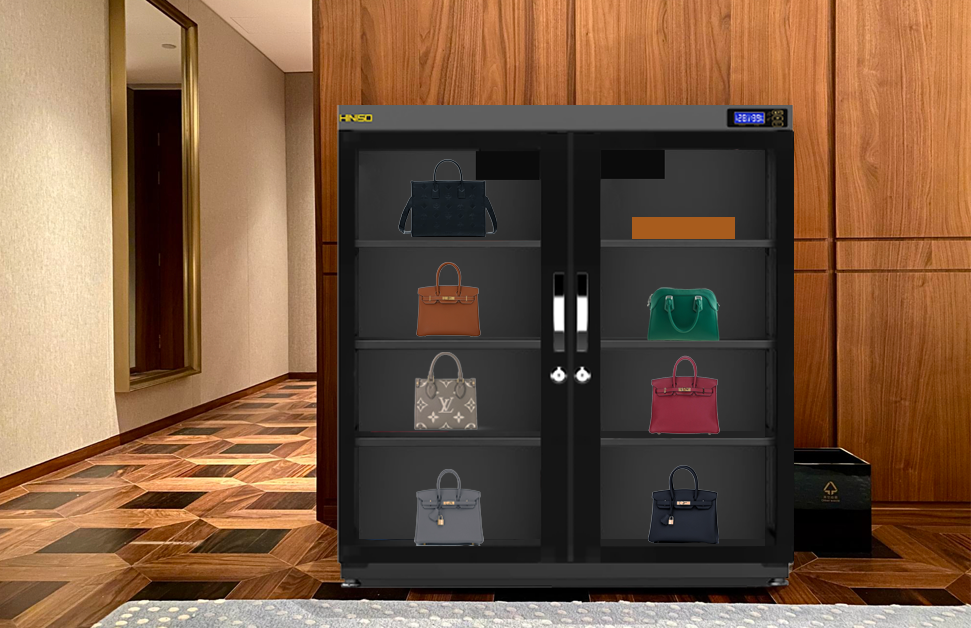
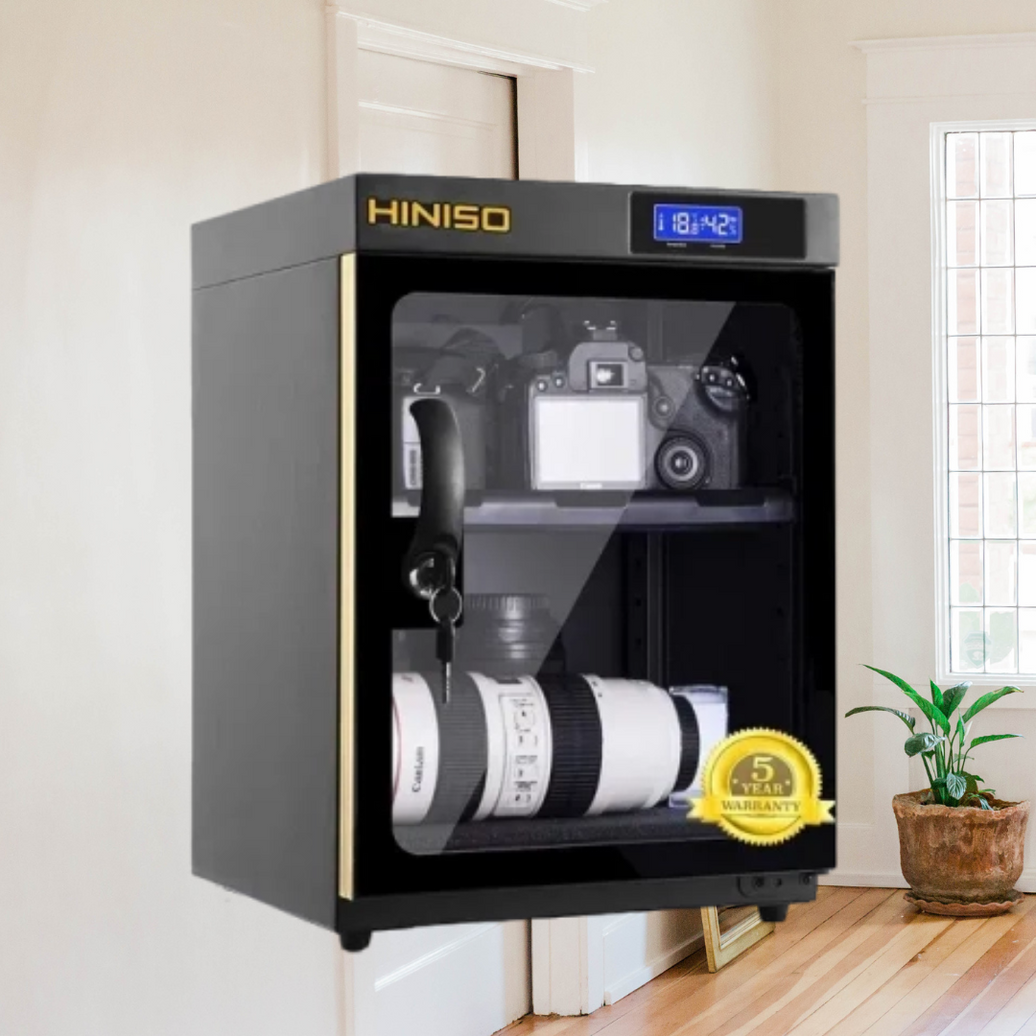
For valuable cards, a dry cabinet is the most dependable solution in Malaysia's climate. It holds humidity steady day and night, regardless of the weather or whether the AC is on. Set it to roughly 40% to 50%, and put a small hygrometer inside to check the reading.
Choose the Right Holders
- Raw valuable cards: a soft sleeve, then a rigid toploader or semi-rigid holder, stored upright in a card box.
- Graded slabs: stored upright in a slab box or on a rack, not stacked in tall piles.
- Sealed products: left in the original shrink wrap, with no weight on top.
- Binders: only PVC-free polypropylene binders, mostly for lower-value cards.
Pick a Good Spot at Home
- Choose a cooler, shaded room away from direct sunlight and windows.
- Avoid kitchens, bathrooms, and outdoor areas, where heat and moisture swing the most.
- Keep the cabinet away from walls with damp patches or leaks.
- Don't overfill the cabinet, so air can circulate inside.
Use Silica Gel as a Backup
Without a dry cabinet, store cards in airtight boxes with silica gel packets, and replace them often. In Malaysia's humidity, silica gel fills up quickly, so treat it as a stopgap.
Handling and Moving Cards
- Let cards adjust gradually when you move them from an air-conditioned room to the outdoors. Keep them in a closed bag for 15 to 30 minutes so moisture forms on the bag, not the card.
- Don't leave cards in a parked car, where heat and humidity build up fast.
- Pack cards in rigid holders when you ship them or carry them to events, and dry them out in a dry place when you arrive home.
Protect the Rest of the Value Too
A dry cabinet protects against humidity, not fire, theft, or flooding. For high-value cards, consider keeping the most valuable ones in a lockable safe, with a moisture absorber inside, and check how your home insurance treats collectibles, since coverage varies by policy. This isn't insurance advice, just a question worth asking. Keep an inventory with photos, grading certificate numbers, and receipts, stored separately from the cards.
Frequently Asked Questions
Do I need a dry cabinet for Pokémon cards in Malaysia? For valuable cards, it's well worth considering. Humidity in much of Malaysia stays above the range collectors aim for, and monsoon season makes it worse.
What humidity should I aim for? Most collectors aim for roughly 40% to 50% relative humidity, and avoid going much below 30%, which can dry out paper.
Does the monsoon season really affect cards? Yes. Prolonged rain keeps indoor humidity high for days, which can cause warping and mold in cards that aren't properly stored.
Are graded slabs safe from humidity? Slabs protect against physical damage, but they aren't airtight, so moisture can still reach the card over time.
Is silica gel enough? It can work for short periods, but it saturates quickly in Malaysia's humidity. A dry cabinet is more reliable for long-term storage.
The Takeaway
Between constant humidity, heat, and monsoon rain, Malaysia's climate is tough on valuable cards. A dry cabinet held at about 40% to 50% humidity, the right holders, and a stable spot at home give your collection the best chance of staying in condition, along with a plan for risks a cabinet can't cover.
Protect your collection through every season. See our dry cabinet collection →