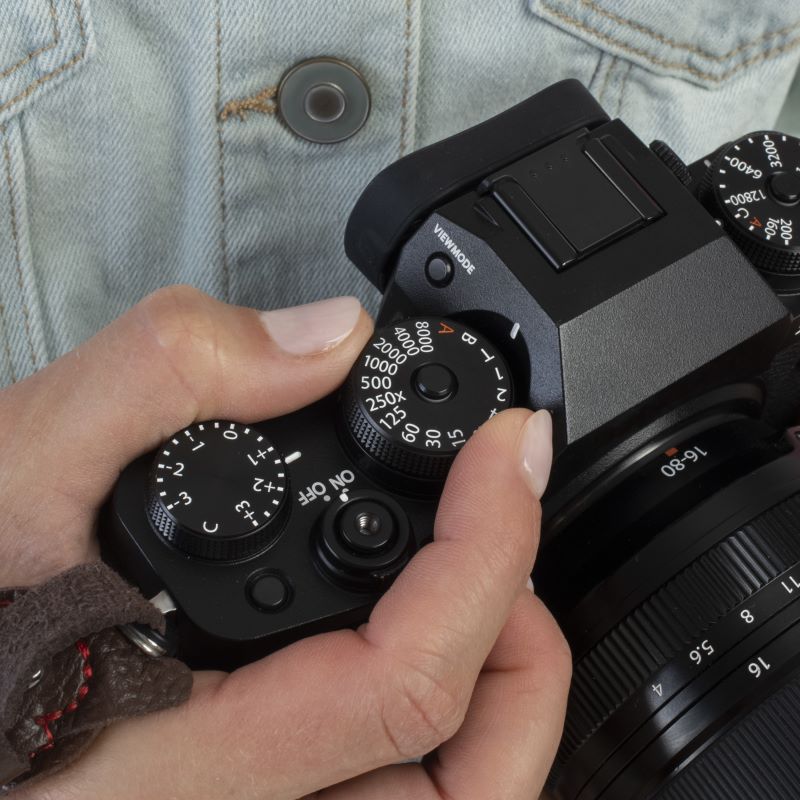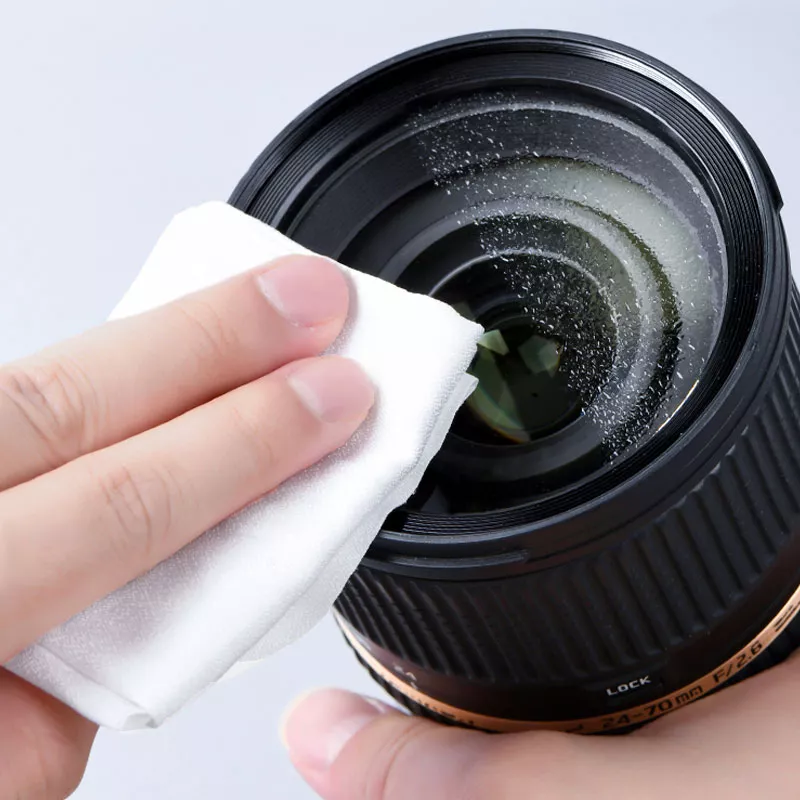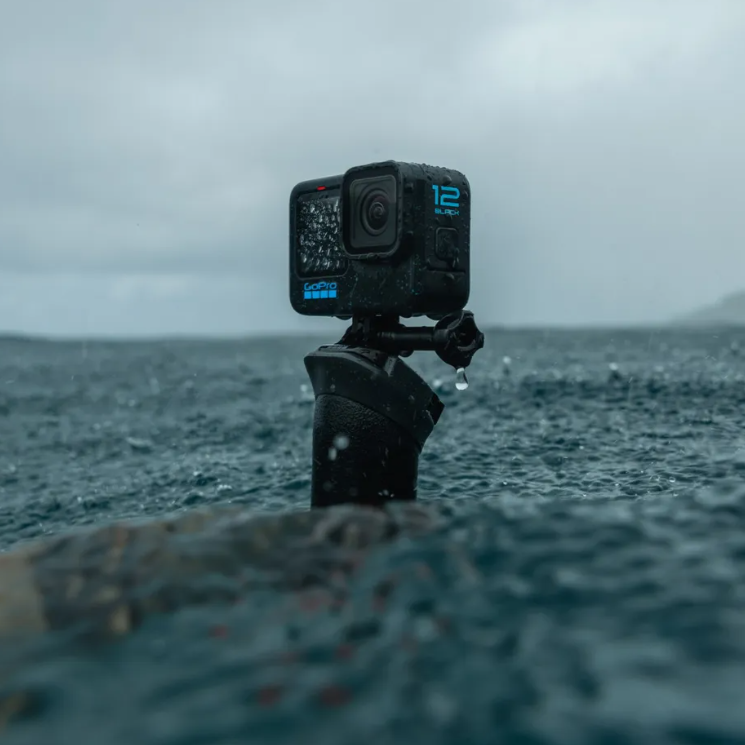



Short answer: it depends less on how many cameras you own, and more on your climate and how often you actually use it. Owning just one camera doesn't automatically mean you're safe from humidity damage, but it also doesn't automatically mean you need a full-size dry cabinet either.
Here's how to actually figure out which camp you're in.
It's Not About Quantity, It's About Conditions

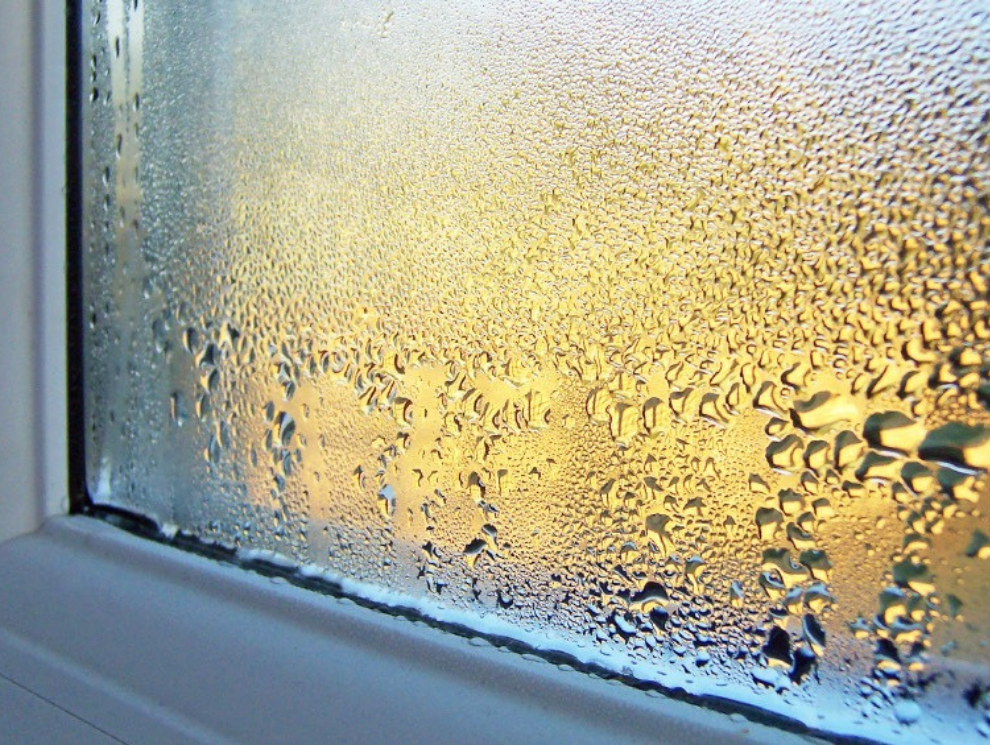
A dry cabinet protects gear from humidity, and humidity doesn't care how many lenses are sitting in that bag. One camera stored somewhere humid, used rarely, and left sealed in a case for weeks at a time is at real risk. Ten cameras used daily in a dry, air-conditioned room are at much less risk, comparatively.
So the real questions are about your situation, not your collection size:
- How humid is where you live?
- How often do you actually use the camera?
- How and where is it stored between uses?
When a Dry Cabinet Is Worth It, Even for One Camera
-
You live somewhere humid.

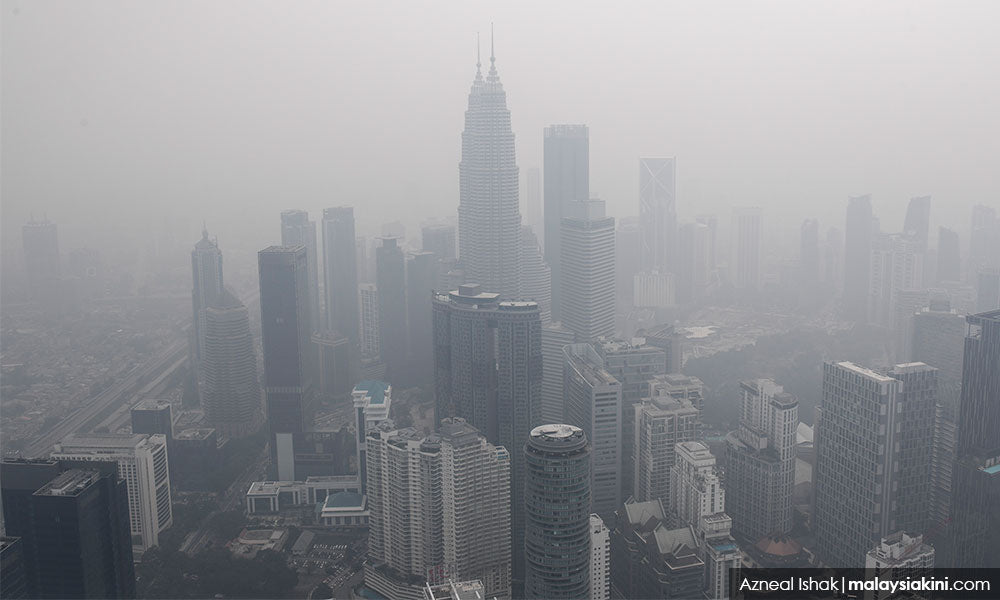
If you're in a tropical or generally humid climate, ambient humidity alone can sit well above the safe range for gear, regardless of how many items you own.
-
You don't use it often.
A camera that gets picked up once a month or less spends most of its life sitting still, which is exactly the condition that lets moisture and fungus take hold.
-
It's an expensive or hard-to-replace lens.

The cost of even a small dry cabinet is often minor compared to the cost of a lens repair or replacement, especially for a single, valuable piece of glass.
- You store it in a closed bag or case. A sealed, airtight space without airflow tends to trap whatever humidity was present when you packed it away.
When You Can Probably Skip It (For Now)
-
You live somewhere consistently dry, or your home is air-conditioned most of the time.
Lower ambient humidity means there's simply less moisture available to cause problems.
-
You use the camera frequently.
Regular handling and air exposure works against the exact conditions fungus and moisture buildup need.
-
You're storing it short-term, not for months at a time.
A few silica gel packets in a case can reasonably manage moisture over weeks, even if they're not a long-term solution.
A Smaller Alternative Worth Knowing About

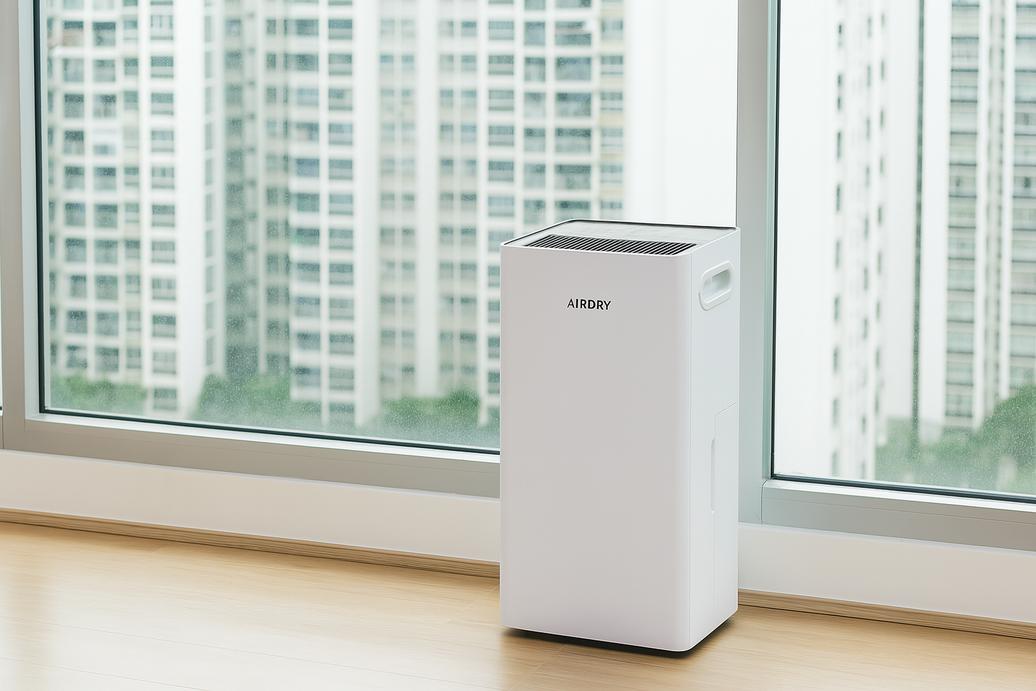
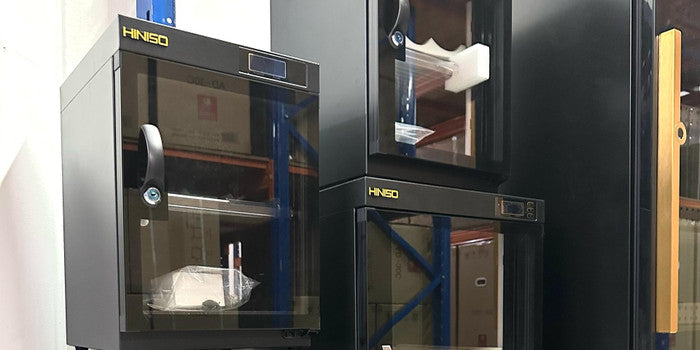
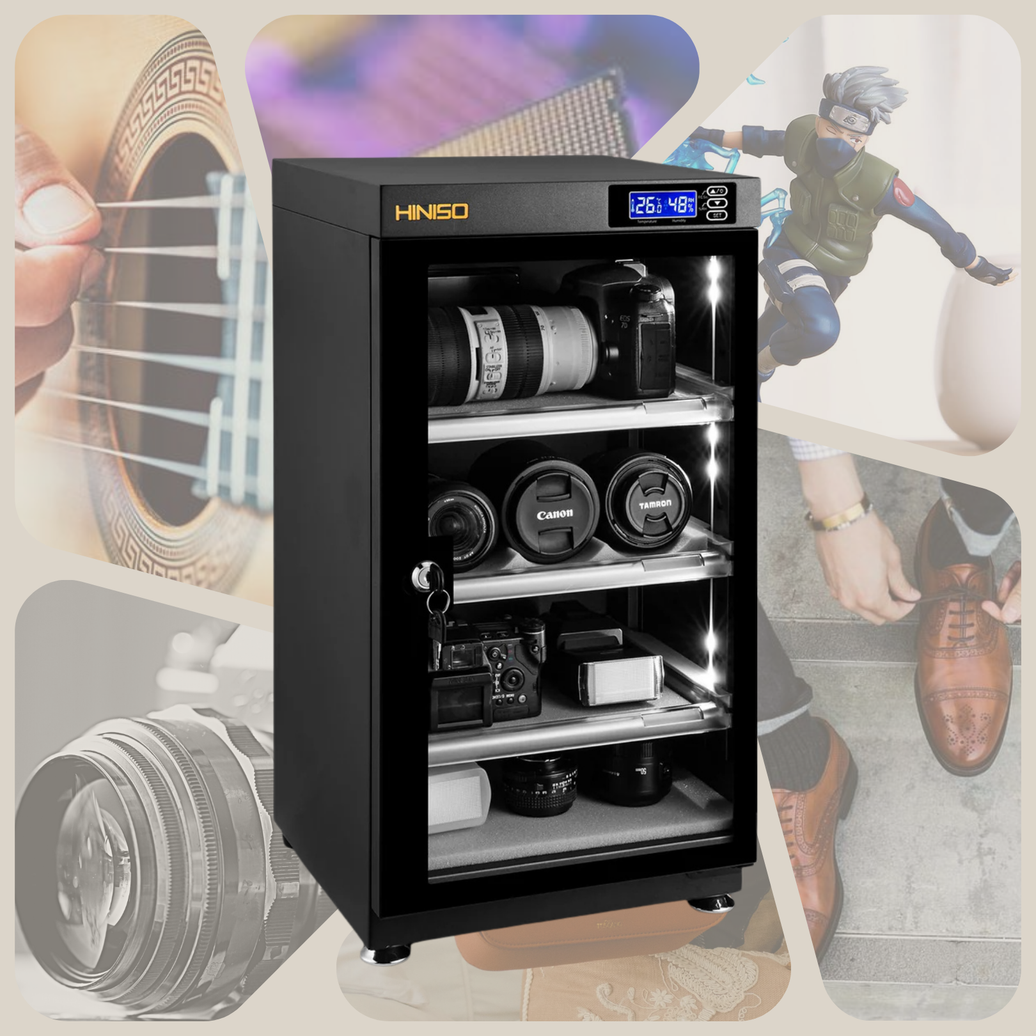
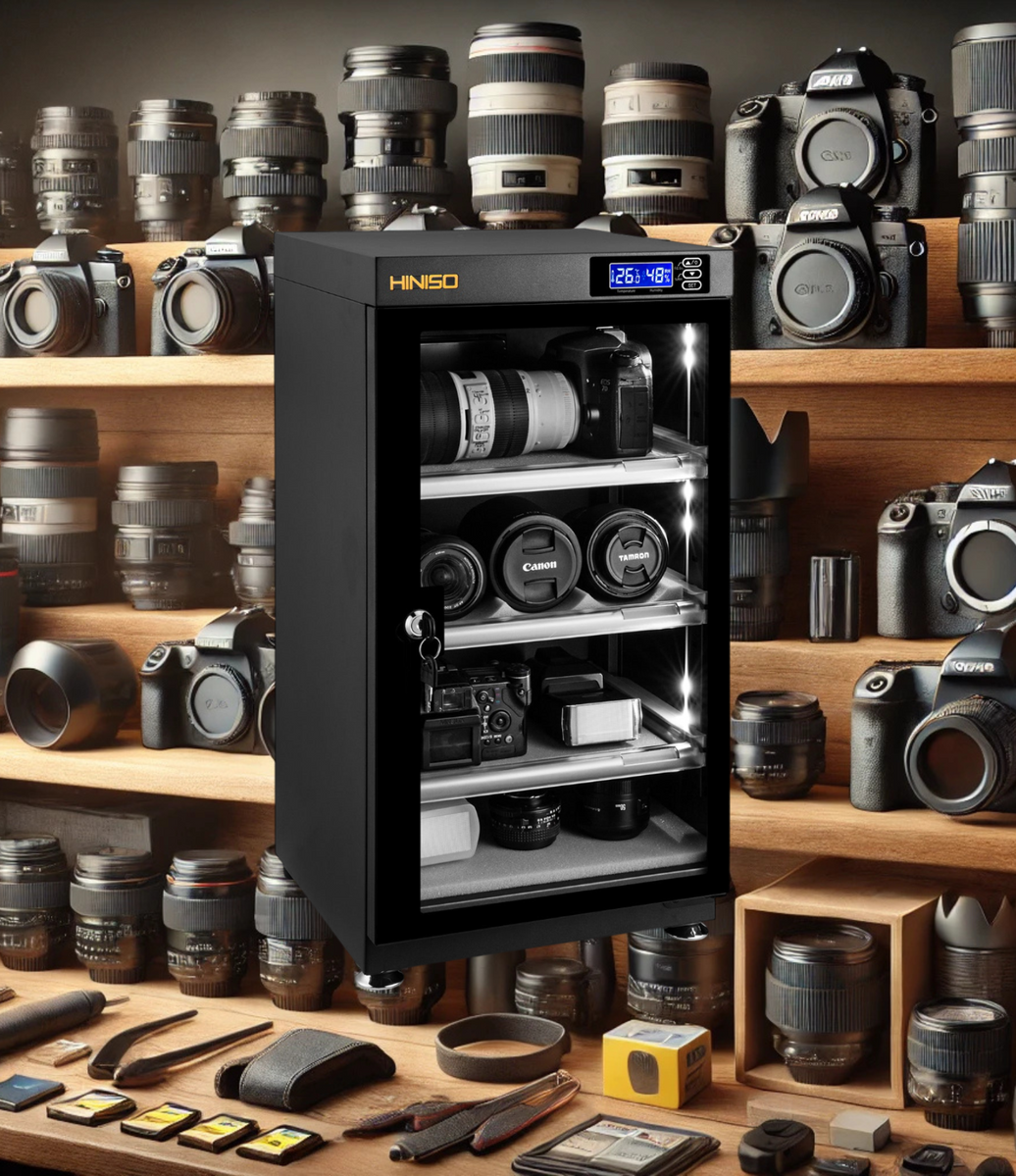
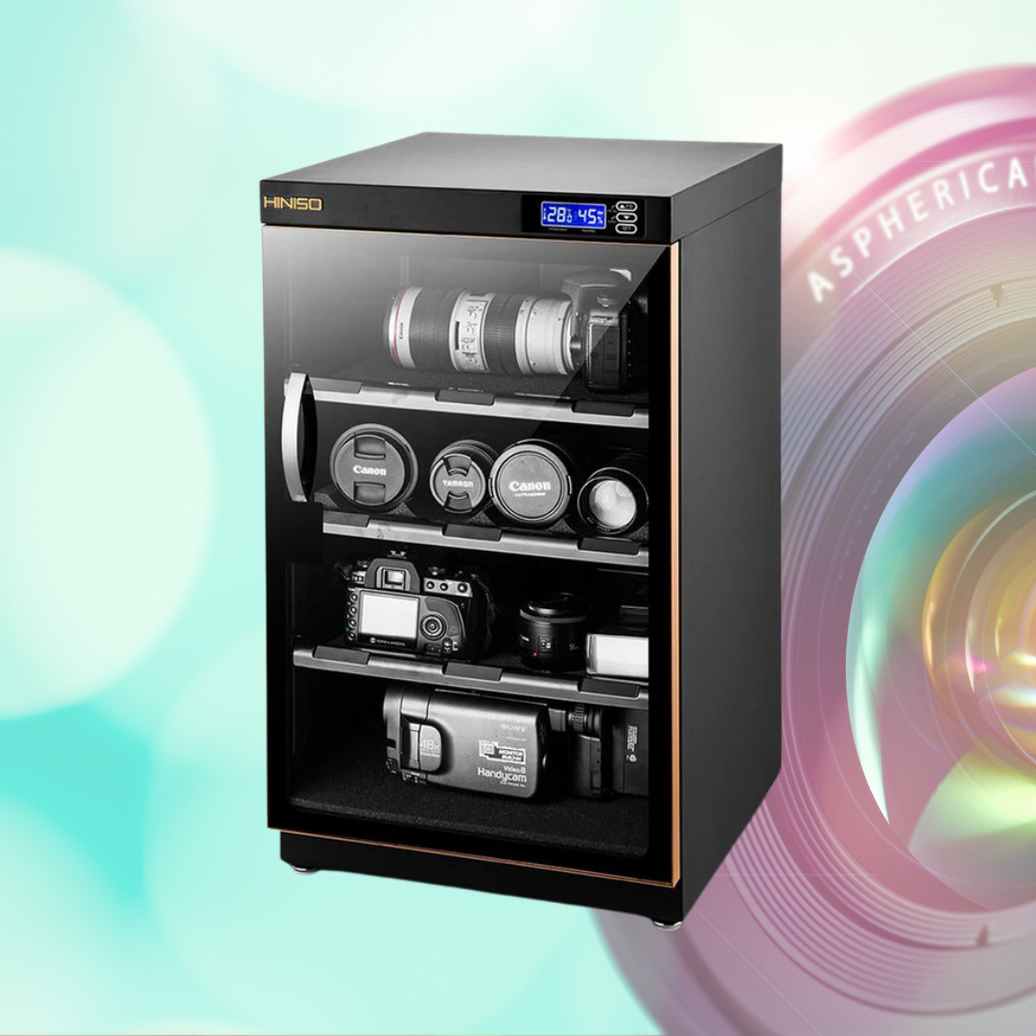
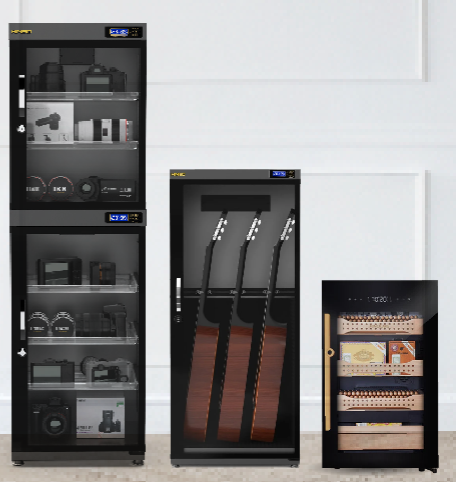
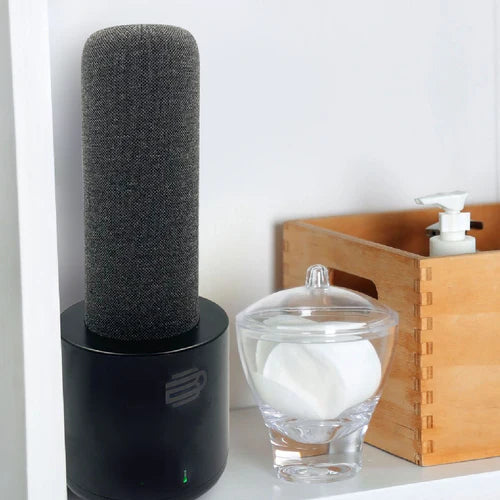
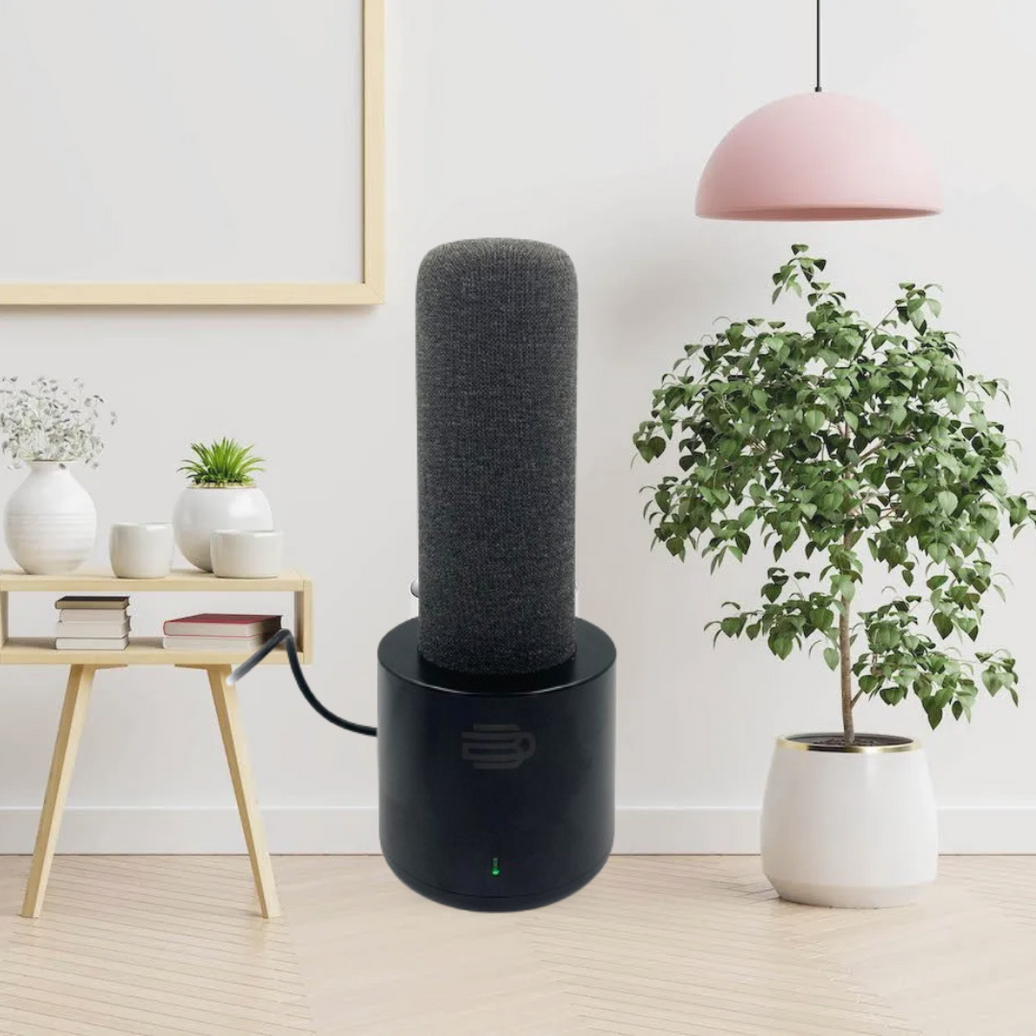
If a full-size dry cabinet feels like overkill for one body and a lens or two, it's not your only option. Smaller electronic dry boxes exist specifically for this, holding just one or two items instead of a full shelf of gear, at a lower price point and a smaller footprint. They work the same way (keeping internal humidity in a controlled, low range), just scaled down for someone starting out rather than someone managing a growing collection.
Silica gel packets are the cheapest option of all, but they need regular monitoring and replacing, and they're really only reliable for shorter stretches of time, not months of unattended storage.
Frequently Asked Questions
Is silica gel enough to protect one camera long-term? It can work for shorter periods, but it needs to be swapped out regularly as it absorbs moisture. For storage stretching months at a time, a dry cabinet or dry box manages humidity far more consistently without you having to check on it.
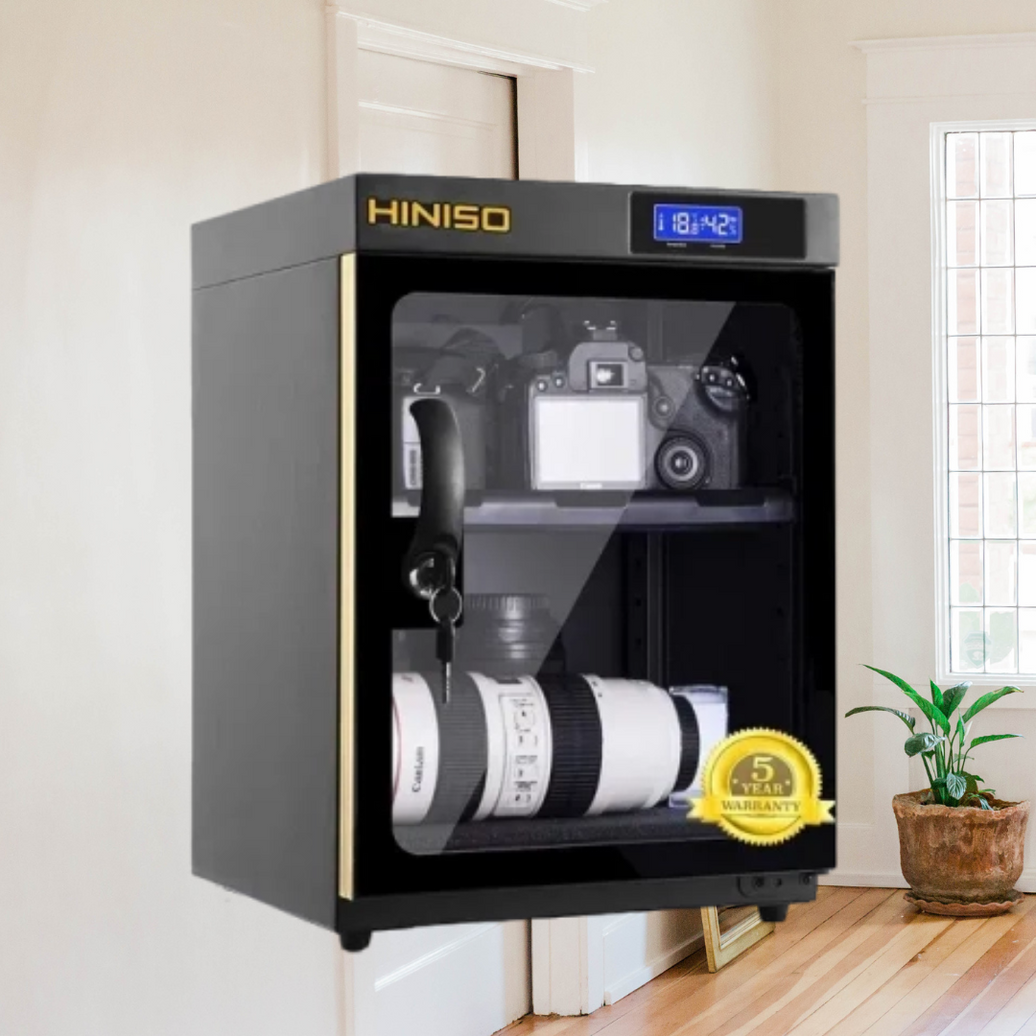
What size dry cabinet makes sense for just one camera and a couple of lenses? A compact or entry-size dry cabinet (or a small electronic dry box) is usually plenty. You don't need a large capacity cabinet unless you expect your gear collection to grow significantly.
How humid does it actually have to be before I should worry? Camera gear is generally considered at risk once ambient humidity consistently sits above roughly 60%, which is common in many tropical and coastal climates for a good part of the year.
Will a dry cabinet work for just one lens, or do I need a camera body in there too? Yes, a dry cabinet protects anything stored inside it, whether that's a full kit or just a single lens. There's no minimum amount of gear required for it to be worthwhile.
The Takeaway
Owning one camera doesn't put you in the clear on its own. What actually matters is your climate, how often you use the gear, and how it's stored in between. If you're in a humid climate or you only pick up your camera occasionally, even a compact dry cabinet or small dry box is a reasonable investment, especially next to the cost of repairing or replacing a damaged lens.
Not sure which size is right for a single camera setup? See our dry cabinet collection →