

Thinkingtic skyline shots to quiet weekend flights at open fields. But choosing the right beg of buying your first drone? Solid choice — drones open up a whole new world of creativity, from cinemainner drone can feel confusing with all the specs, camera terms, and CAAS regulations to watch out for.
This guide breaks everything down simply, Malaysia-style — from what features actually matter, to recommended beginner models with official links, plus how to protect your drone from our crazy humidity.

Let’s dive in. 🚁✨
1. Decide What You Want to Use the Drone For
Your purpose determines what kind of drone you should buy.
📸 For Photography & Videography
- 4K camera (minimum)
- 3-axis gimbal
- 1-inch sensor (if budget allows)
- Stable transmission
🎮 For Casual Flying / Learning
- Lightweight
- Crash-friendly
- Affordable
- Easy to repair
🛠️ For Work / Mapping / Surveying
- RTK capability
- Long flight time
- Replaceable payloads
- Strong GPS accuracy
Knowing your goal helps you avoid overspending or buying the wrong category.
2. Key Specs Beginners Should Pay Attention To
📏 Flight Time
Look for at least 25–30 minutes per battery.
🎥 Camera Quality
- 4K video
- Good low-light performance
- Mechanical gimbal > electronic stabilisation
📡 Transmission Range & Signal Stability
DJI’s OcuSync, for example, is highly reliable in Malaysia’s urban areas.
🌬️ Wind Resistance
Along coastal areas (e.g., East Coast), wind can be strong.
Choose Level 5 wind resistance or higher.
💥 Obstacle Avoidance
Beginner-safe:
- Forward
- Downward
- Backward
- Auto Return-to-Home
👜 Portability
Foldable drones = easier to bring around Malaysia or travel overseas.
3. Types of Drones to Consider
Mini Drones (Under 250g)
- Beginner-friendly
- No registration needed (in MY)
- Easier to carry
Photography Drones
- Better camera systems
- More sensors
- Ideal for content creation
FPV Drones
- Fast, immersive, high skill
- Not beginner-friendly unless you love adrenaline
4. Quick Guide to CAAS Drone Rules in Malaysia
Before you fly, remember:
- Below 250g: Easiest to fly. 250g–20kg: Follow full safety rules. Above 20kg: Special approval needed.
- Recreational flying under 20kg in open areas usually doesn’t need a permit.
- Commercial jobs or flights near buildings, crowds, or controlled airspace need CAAM approval.
- Avoid no-fly zones: airports (within 4.5km), military/police areas, government sites, crowded events, and forest reserves.
- Fly below 120m, keep line of sight, stay 30m away from people/property, avoid roads and windows.
- Don’t film private homes or sensitive areas.
- If unsure, especially for night or urban flights, get CAAM clearance.
Always check CAAS for updates.
5. Recommended Beginner Drone Models
These are ideal beginner picks based on reliability, ease of use, and value.

1. DJI Neo 2
Price: ~RM1,509
Why it’s great for beginners:
- Ultra-lightweight (151g)
- Super stable
- Very beginner-friendly
- Perfect for first-time flyers
Good to note:
-
Basic camera and limited sensors

2. DJI Mini 4K
Price: ~RM1,349
Why beginners love it:
- 4K video
- Foldable
- Great balance of quality + price
Good to note:
-
Fewer sensing features than higher-end DJI models

3. DJI Avata 2
Price: ~RM2,099
Why it stands out:
- Beginner-friendly FPV experience
- Built-in propeller guards for safer indoor & outdoor flying
- Smooth, immersive footage with RockSteady stabilization
Good to note:
- FPV drones have a learning curve
- Not ideal for traditional cinematic aerial shots

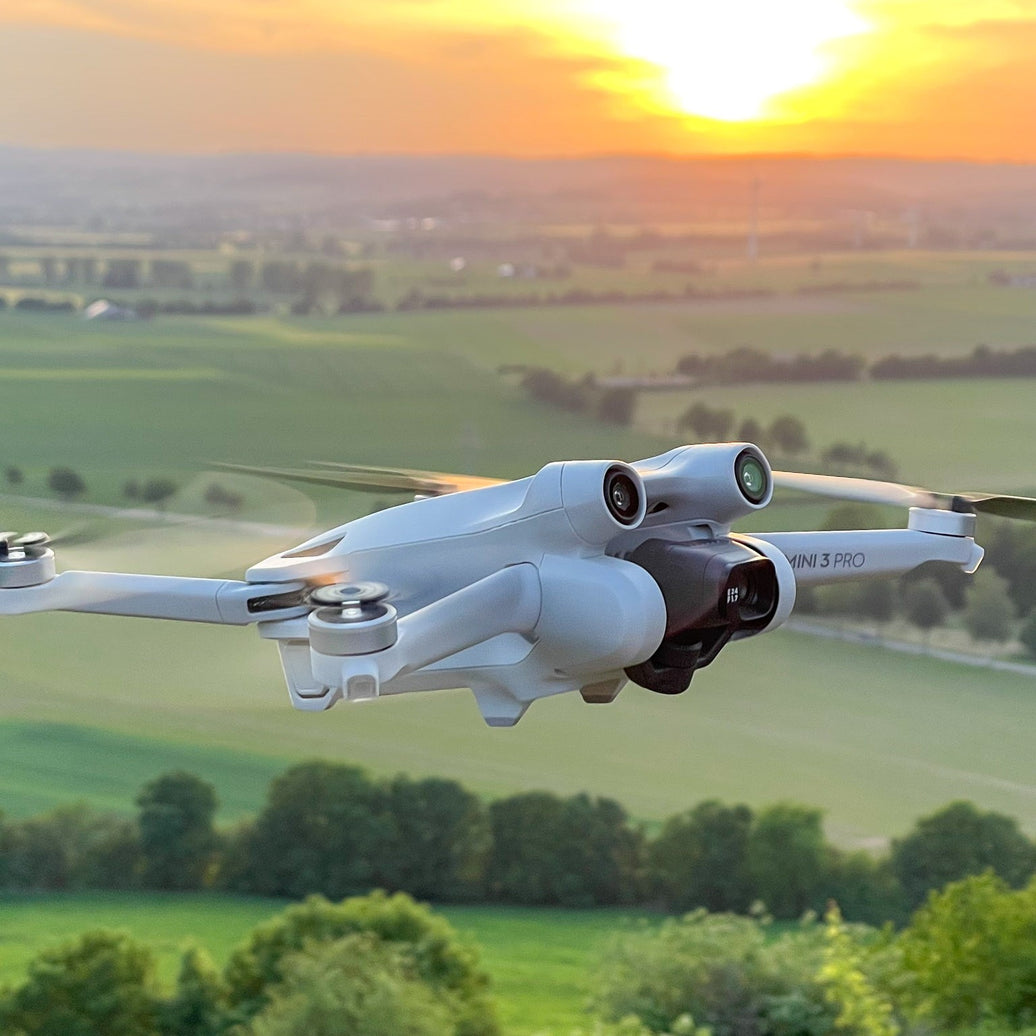
4. DJI Mini 5 Pro
Price: ~RM4,188
Why beginners choose it:
- 1-inch sensor with 50MP camera
- Excellent low-light performance
- Lightweight, portable, and powerful
Good to note:
- Higher price, but extremely capable for photography
- Extra batteries recommended for longer shoots

5. DJI Mavic 4 Pro
Price: ~RM9,599
Why it stands out:
- 100MP Hasselblad wide camera
- Triple-camera system with 6K video
- Professional-grade flight stability and sensors
Good to note:
- Premium pricing
- More advanced features—may be overkill for casual beginners

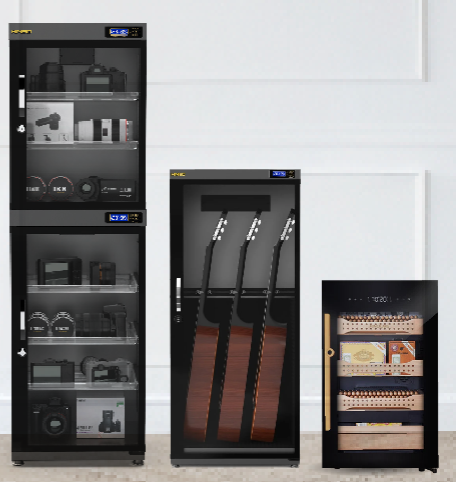
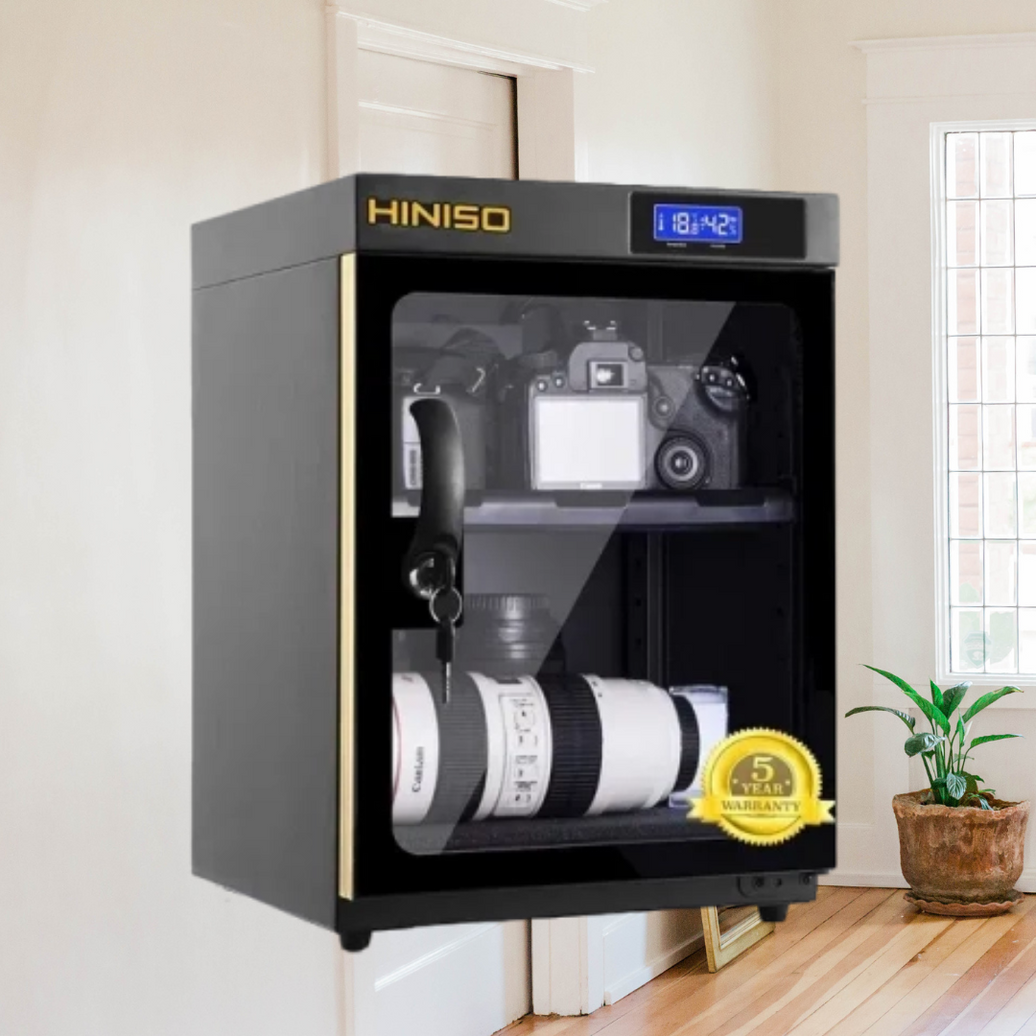
6. Why Malaysia Drone Owners Should Use a Dry Cabinet
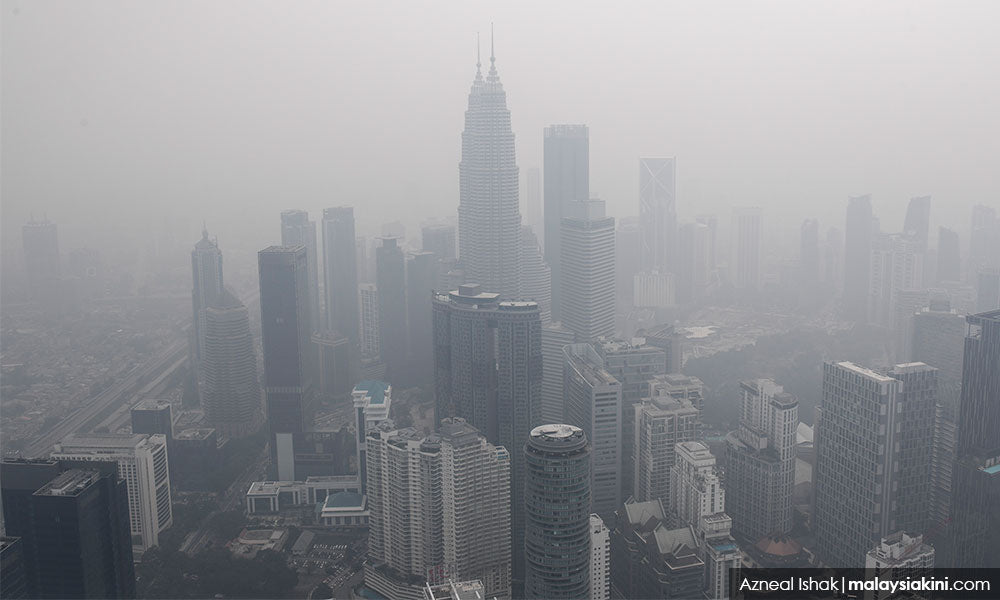
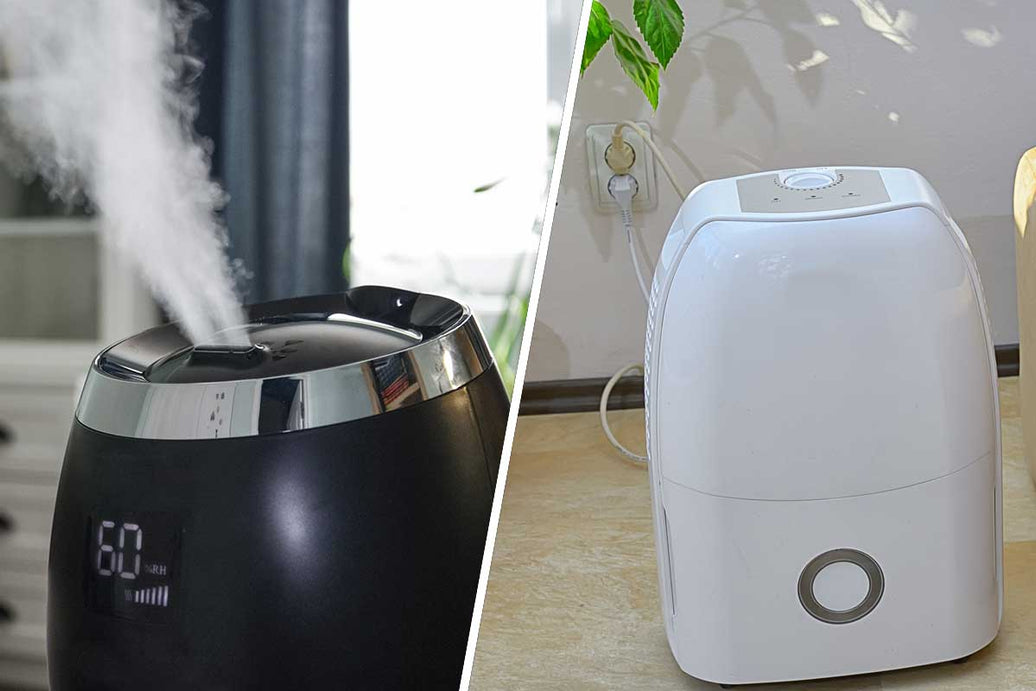
Humidity in Malaysia stays around 80–90% RH, which is bad for:
- Drone motors
- IMU sensors
- Camera gimbals
- Batteries
- Remote controllers
What high humidity causes:
- Corrosion
- Battery swelling
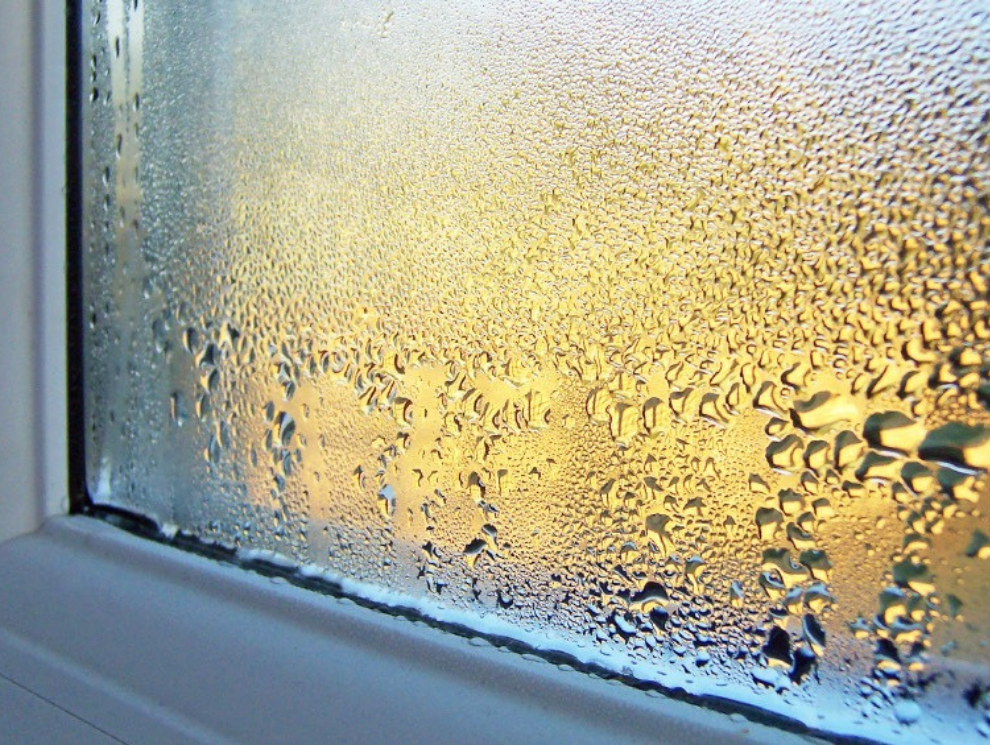
- Moisture fogging
- Mold growth
Ideal storage:
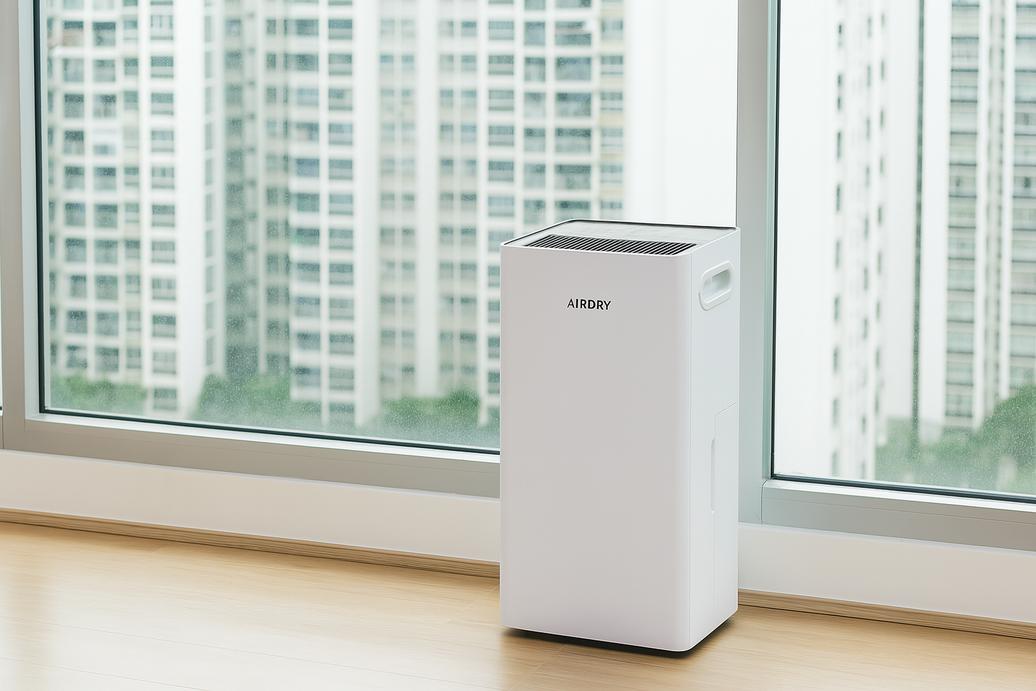
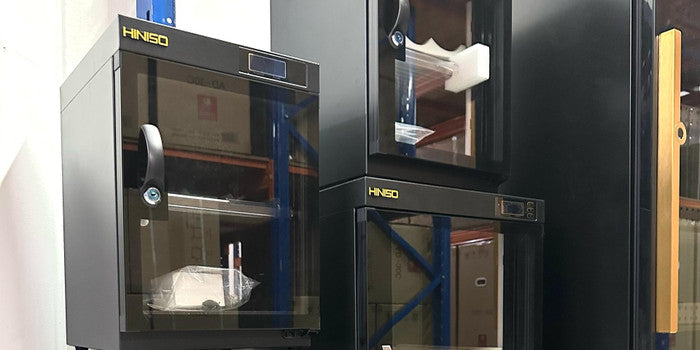
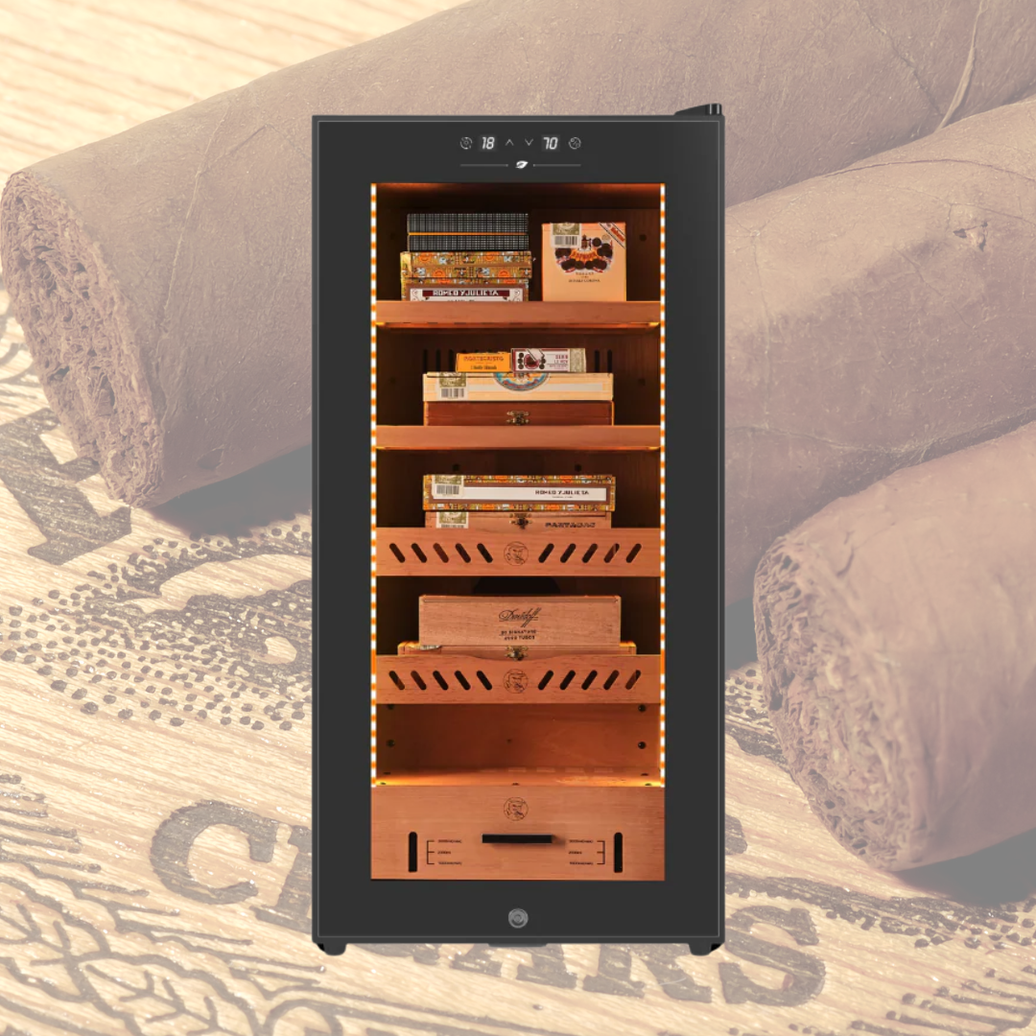
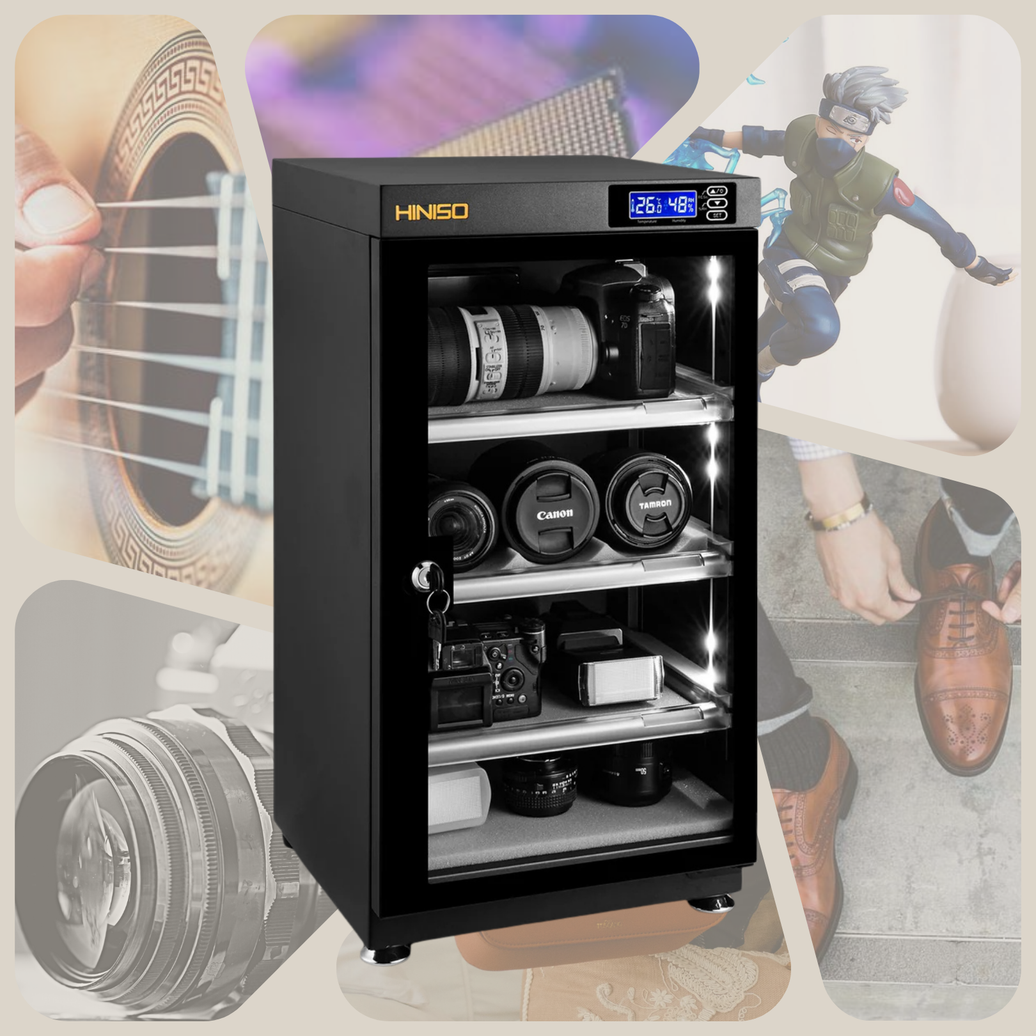
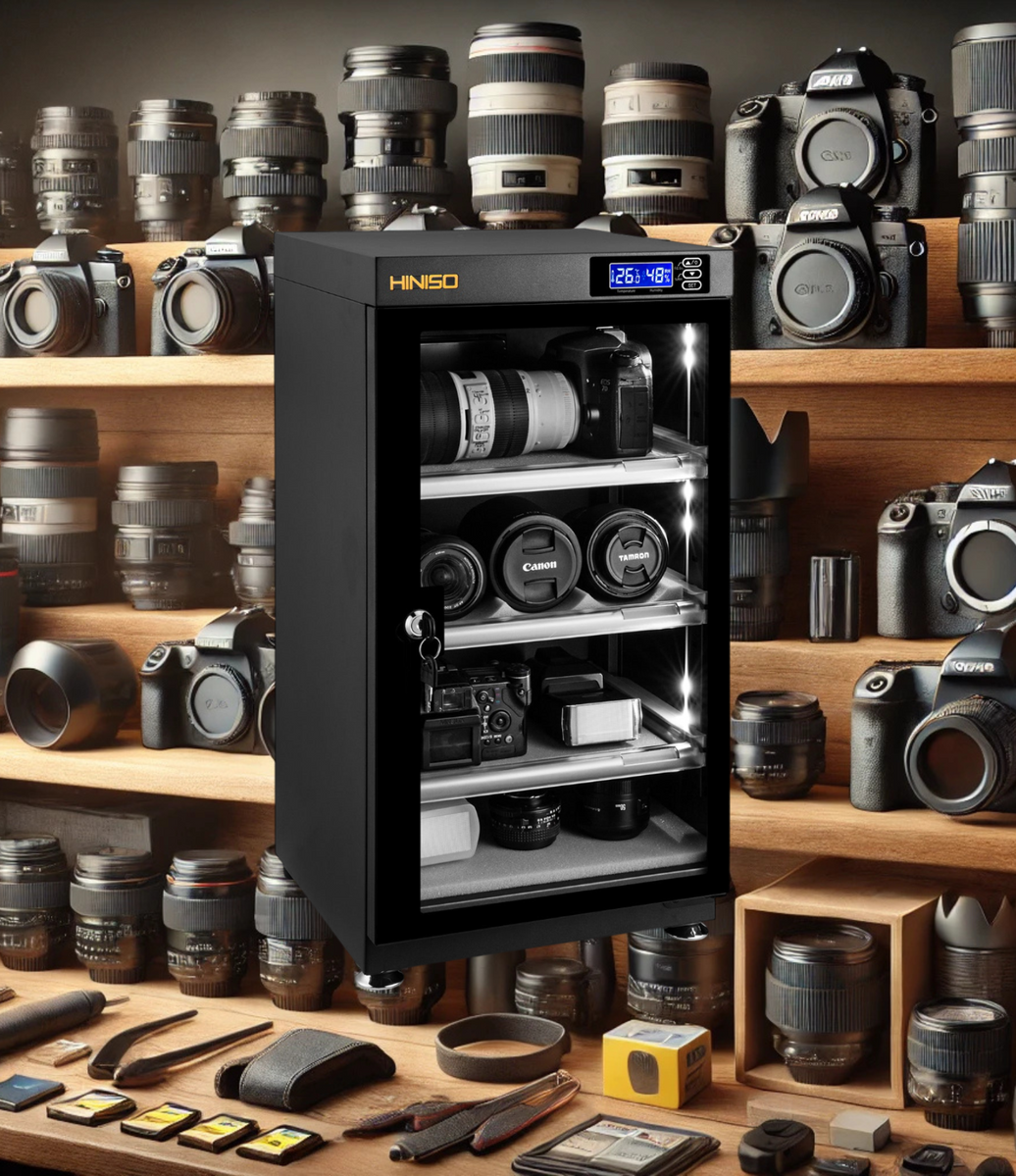
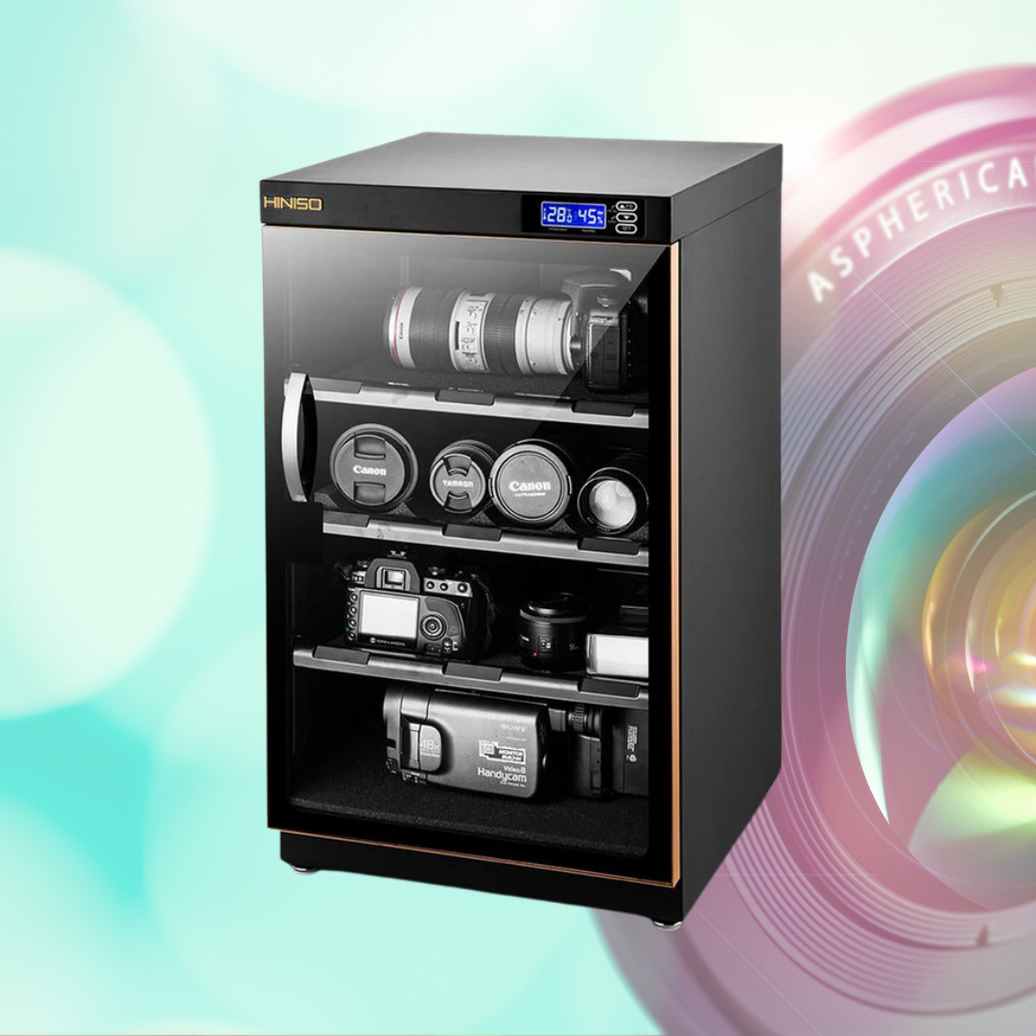
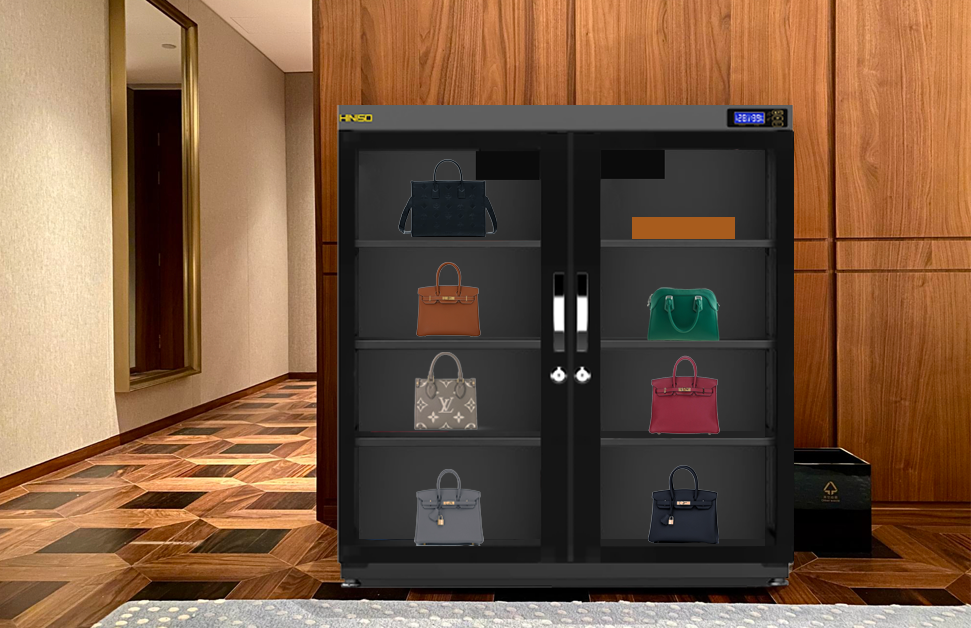
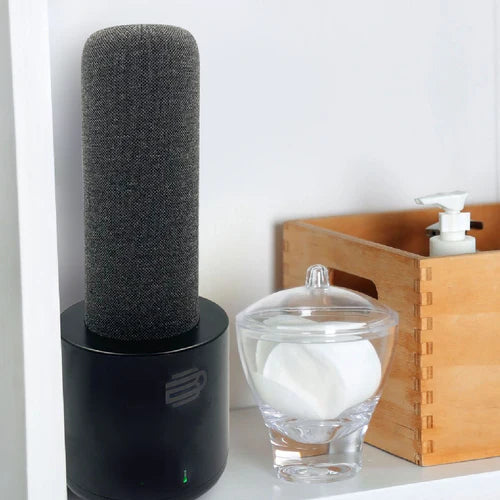
A dry cabinet maintains a stable environment of 40–50% RH, protecting sensitive electronics and extending lifespan — especially important if you fly regularly, film professionally, or own multiple batteries.
Perfect for storing:
✔ Drone body
✔ Camera & gimbal
✔ Extra batteries
✔ FPV goggles
✔ Remote controller
7. Final Tips for First-Time Drone Flyers
- Practice in wide open spaces (e.g., Setia Ecohill Park, Desa ParkCity)
- Start with Beginner Mode
- Always use fresh batteries
- Update firmware regularly
- Bring propeller guards for early practice
- Store your drone in a dry cabinet to avoid moisture-related issues
Ready to Start Flying?
With the right beginner drone and proper storage, you’re set up for safe, smooth, and fun flying. Explore the recommended models above, check the official pages for full details, and keep your drone protected with a stable humidity-controlled dry cabinet from DryBox.